
REVIEW · SCUBA DIVING
PADI Discover Scuba Dive Experience
Scuba feels like a magic trick, until you learn the basics. On Ko Chang, this PADI Discover Scuba try turns first-time underwater nerves into a step-by-step experience with close coaching. What makes it especially interesting is the structure: you practice in a pool first, then go out on local coral reefs with tight supervision.
I really like the small group setup. The format keeps you to a maximum of two students per instructor, and the water time is kept very controlled, including at most one other diver with you. I also love that the package covers the day-to-day stuff that usually slows people down, like gear, lunch, non-alcoholic drinks, and private transfers.
One thing to consider: marine park fees are extra if they are visited, and this experience depends on good weather. So if you are traveling with a rigid schedule, you may want a bit of flexibility.
In This Review
- Key things that make this Ko Chang scuba try worth your time
- First day on Ko Chang: why the pool comes before the open water
- The next day on the reef: two controlled sessions up to 12 metres
- What you see under the water: fish and coral, with no guarantees
- Gear, lunch, drinks, and transfers, all in one package
- Safety and pacing: what the small groups actually feel like
- Getting ready: physical fitness, medical self-cert, and what to wear
- Where this fits if you want PADI Open Water next
- Weather reality on Ko Chang: plan for flexibility
- Practical review from the training vibe: what the team does well
- If you are the right match for this experience
- Should you book the PADI Discover Scuba try on Ko Chang?
- FAQ
- How many scuba sessions are included in the 2-day experience?
- Is there pool training before going into the sea?
- What is included in the price?
- Are marine park fees included?
- What makes this a PADI Open Water step?
- Do I need a medical certificate?
Key things that make this Ko Chang scuba try worth your time
- Pool session first, so you can practice breathing, equipment basics, and a simple safety drill in a low-stress setting
- Small instructor ratio, maximum two students to one instructor for hands-on guidance
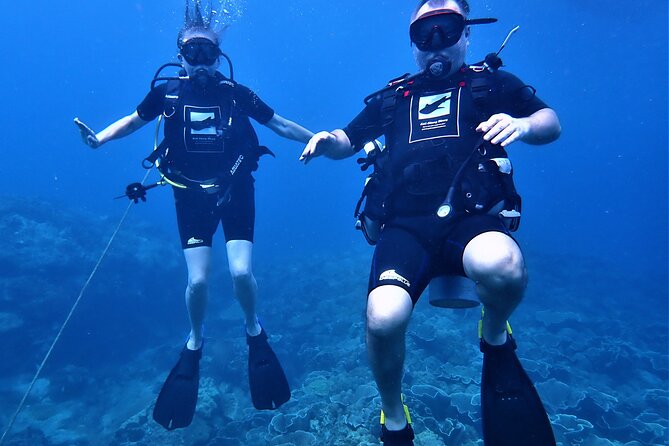
- Two reef sessions outdoors the next day, staying within a maximum depth of 12 metres
- Local coral reefs, with a strong focus on seeing lots of fish and coral rather than guaranteed sightings
- Included comfort items, gear plus lunch and non-alcoholic drinks, and private transportation to reduce hassle
- PADI-registered as Open Water first steps, which can count toward the PADI Open Water course path
Thai dive courses got read for the small print
- Discover Scuba diving, try diving for beginners (starts from Koh Chang)★ 5.0 · 89 reviews
- PADI Discover Scuba Dive Experience★ 5.0 · 74 reviews
First day on Ko Chang: why the pool comes before the open water
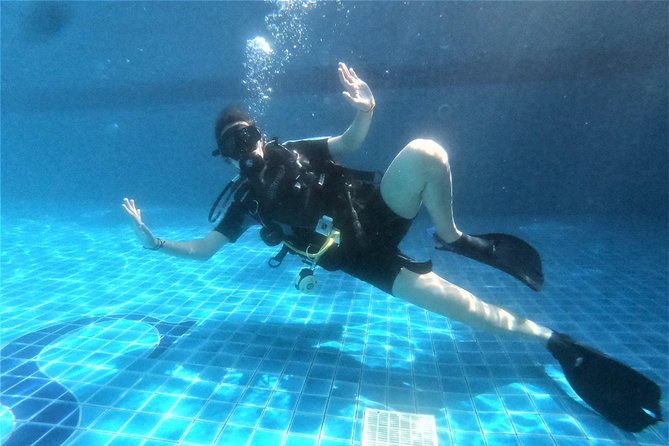
The start of this experience is built for real beginners, not just brave ones. The day before your main outing, you get an approximately 1-hour pool session, either in the morning or in the afternoon. The goal is simple: you learn how scuba gear works and how to stay calm while breathing underwater, without the added pressure of open water.
That pool step matters more than you might think. In a pool, you can repeat key motions and breathing without worrying about waves, distance, or visibility surprises. You also get a straightforward safety drill, plus tips for how to move in the water. For first-timers, this is where confidence gets built. It is not about performing perfectly, it is about understanding what your body is doing and how the equipment responds.
If you are even slightly nervous, this is the part you will probably appreciate most. A controlled environment lets you ask questions and get corrected early, when adjustments are easiest. By the time you head out the next day, you are not starting from zero. You are starting from practice.
The next day on the reef: two controlled sessions up to 12 metres
Your outdoor portion is designed as a gentle ramp-up. The plan is two reef sessions with an instructor, with limits that keep the experience from feeling chaotic. The maximum depth is 12 metres, and the whole setup is built around close supervision and clear communication.
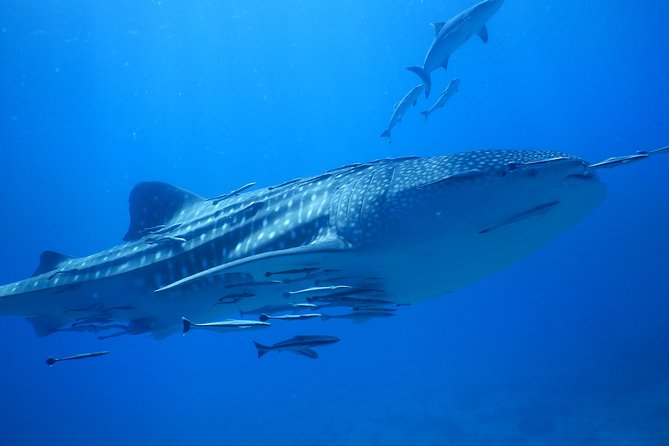
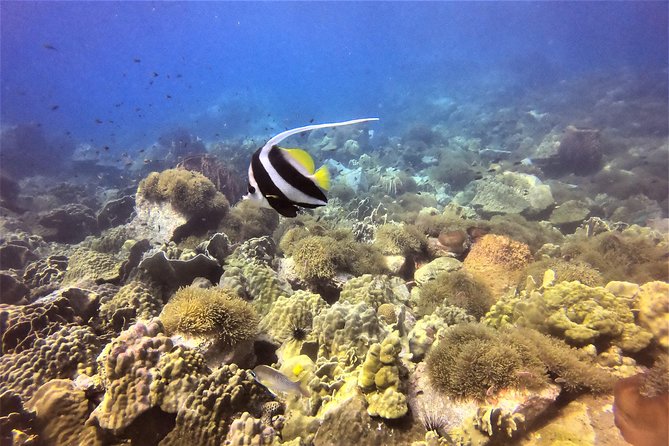
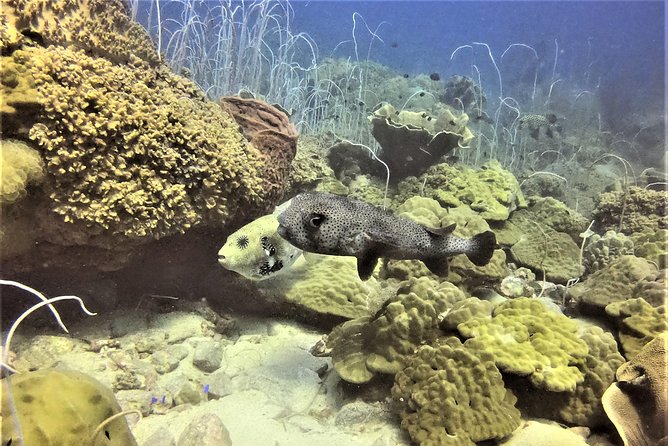
You will head to local coral reefs around Ko Chang. You should expect fish and coral, but the exact marine life sightings are not promised. That is pretty typical for nature trips, but the useful part here is the expectation: you are there to get the underwater feeling, plus lots of reef life, not to chase a specific animal checklist.
A major reason this works well is the group control. With a maximum of two students per instructor, you are less likely to get stuck waiting for help. And in the water, the structure includes that you will not be out there with a huge mix of people and skills. The pacing is calmer, which helps you focus on your breathing and buoyancy instead of crowd management.
Also, think of 12 metres as an important safety boundary for beginners. Going deeper is not automatically better. The experience is about learning to operate comfortably, not about chasing maximum depth. At this depth range, you have enough vertical space to learn how things feel without going into the kind of conditions that demand advanced technique.
What you see under the water: fish and coral, with no guarantees
If you want predictable viewing, scuba can be frustrating. This experience is refreshingly honest about that. You are not promised specific marine species. What you are promised is a reef-based experience where you will see plenty of fish and coral.
For me, that is a good promise. It keeps your brain from fixating on a single highlight and helps you notice the real stuff that makes reef underwater time special. Fish behavior is often more entertaining than people expect, especially when you watch how they react to your movement, fins, and buoyancy control. Coral patterns and textures are a big part of what you get too, and reefs are where you will naturally spend time once you are comfortable.
If conditions are not perfect, it can change how sharp the view is. In other programs from the same operator on Ko Chang, people have noted mixed visibility at times and still had a great experience. So you should treat visibility as weather-dependent. The training side remains the point, and the reef life is the payoff.
Gear, lunch, drinks, and transfers, all in one package
Let us talk about value, because $104 is only a number until you see what you get.
For this PADI Discover Scuba try, your package includes:
- Scuba equipment
- Lunch
- Bottled water
- Coffee and/or tea
- Soda or other non-alcoholic drinks
- Private transportation (pickup is offered, and the activity ends back at the meeting point)
That inclusion list matters for two reasons. First, scuba gear can be a hassle to source and coordinate. Having it sorted means you show up, fit, and get trained. Second, food and drinks keep your energy steady across the pool session and the next day. Scuba is not just “fun.” It is physical, and it can make you extra hungry.
The private transfer piece also reduces friction. When you are on an island like Ko Chang, getting to and from water can eat up time and add stress. This package keeps that from becoming your second job.
One more practical detail: marine park fees are not included if a marine park is visited. So if you are trying to budget tightly, assume that the total could rise a bit depending on local access fees.
Thai dive days got the same going over
Safety and pacing: what the small groups actually feel like
The safety story here is not just a slogan. The experience is described as safety-conscious and thorough, and the numbers back it up. You have a maximum of two students per one instructor. That ratio gives you time for equipment checks, breathing practice, and corrections.
In the pool, that coaching style shows up as repetition. You learn the essential equipment basics and complete a simple safety drill. You also get tips on how to move in the water. Those might sound like small points, but for first-timers, they are the difference between awkwardness and calm.
Then, out on the reef, pacing stays controlled. The plan is two sessions with an instructor, and the experience includes limits on how many other divers you are sharing the water with. In practice, smaller groups mean you are less likely to get separated from support, and it is easier to hear instructions.
I also appreciate how this experience fits into a bigger learning path. It is registered with PADI as your first steps toward an Open Water Certificate. That matters because it makes the experience more than a one-off thrill. It becomes a recognized starting point.
Getting ready: physical fitness, medical self-cert, and what to wear
This experience is for people with at least moderate physical fitness. That wording is important because it signals that you should be comfortable with basic physical demands like getting in and out of the water and staying focused through instruction.
You also need a self-certifying medical certificate. That is not just paperwork theater. Scuba has medical considerations, and the experience requires you to confirm you meet the criteria before going. If you are unsure, you should handle that early, before you lock in dates.
What to bring beyond that is not spelled out in the details you have here, so I would keep your planning simple: wear something you can get wet in and plan for changing if the day runs long. Since the program can start with a pool session in the morning or afternoon, pack for both timing options.
Where this fits if you want PADI Open Water next
If you are thinking about becoming a certified diver, this is a smart first step. The experience is designed so it can count as your PADI Open Water first steps, whether you continue with the same PADI center or another one later.
That means you are not just learning a few random underwater tricks. You are learning the core behaviors that form the foundation of open water training. And because you start in the pool, you get a head start on comfort with gear, breathing, and safety drills.
If you later build on this, you will already understand the rhythm of instruction: equipment, practice, and then carefully planned time in the water. That can reduce the fear factor when you move from intro sessions to a full certification course.
Weather reality on Ko Chang: plan for flexibility
This is a Ko Chang experience, so weather matters. The activity requires good weather. If it is canceled due to poor conditions, you are offered a different date or a full refund. I like that kind of clarity for anyone traveling with limited time.
So here is my practical advice. If you can, schedule it early in your stay or at least keep one spare window open. A weather cancel is not a guarantee, but it is a real possibility for sea days.
Also, remember that water conditions can affect visibility. Even when the training is excellent, you might see less detail than you imagined on a given day. That should not change whether you learn well, but it can change how crisp the reef looks.
Practical review from the training vibe: what the team does well
From the way people describe their experiences with the Ko Chang center, a few themes keep coming up, and they line up with what you want for a first-time scuba try.
First, the staff comes across as patient. People credit the instructor style for keeping them at ease while still being professional and safety-minded. Second, equipment and boat setup for other packages is described as solid, safe, and well handled, which indirectly boosts confidence for your learning day too.
Names you may run into include David as a guide who handles pool instruction and multi-day learning for families, and Adam as another instructor credited with professional care. There is also Charles mentioned as an instructor for other sea trips in the same area. Different programs, but the point is consistent: the team’s strength seems to be teaching calmly, not rushing people through steps.
People also mention tight groups on their longer trips, and that experience level helps explain why this intro format feels controlled. If you have ever been on a tour where the loudest person hijacks the pace, you will appreciate how this is built to avoid that.
If you are the right match for this experience
You should strongly consider booking if:
- You want a structured way to learn scuba basics
- You like the idea of pool practice before open water
- You want a small-group experience with close instructor attention
- You are aiming to build toward PADI Open Water later
You might want to think twice or ask questions first if:
- You have health concerns that could affect scuba eligibility, since the medical self-cert is required
- You hate weather-dependent plans and cannot flex any scheduling
- You are expecting a guaranteed list of marine animals, since sightings are not promised
Should you book the PADI Discover Scuba try on Ko Chang?
I would book it if you want the safest-feeling first step and you like learning in a clear sequence. The pool session is the kind of detail that makes a real difference, and the small instructor ratio is the kind of detail that prevents stress from snowballing. Add in gear, lunch, and transfers, and $104 starts to look fair for what you are actually buying: training time, underwater support, and convenience.
If you are torn, do this simple check. Ask yourself what matters most on your first day of scuba. If you want comfort, safety, and skill-building, this format fits. If you want a long, advanced underwater adventure with guaranteed big sightings, you will probably feel shortchanged. This experience is about learning to breathe underwater and see reef life with help close at hand.
FAQ
How many scuba sessions are included in the 2-day experience?
You get two reef sessions in the open water portion, planned for a maximum depth of 12 metres.
Is there pool training before going into the sea?
Yes. Your experience includes an approximately 1-hour pool session before the main open water portion, where you practice equipment basics, breathing underwater, and a simple safety drill.
What is included in the price?
Included are scuba equipment, lunch, bottled water, coffee and/or tea, soda or other non-alcoholic drinks, and private transportation. Pickup is offered.
Are marine park fees included?
Marine park fees are not included if a marine park is visited.
What makes this a PADI Open Water step?
The experience is registered with PADI as your first steps toward an Open Water Certificate.
Do I need a medical certificate?
Yes. You must self-certify a medical certificate, and the activity requires a moderate physical fitness level.
Thai dive days, continued
What else made it into the Thailand notebook
Dive courses, and what the certification actually covers
What else made it into the Ko Chang notebook
- Koh Chang: Half-Day Snorkeling Adventure on a Speedboat
★ 4.6 · 31 reviews - Koh Chang: 5 Island Guided Boat Tour with Lunch Buffet
★ 4.7 · 31 reviews - Koh Chang: Mangrove Forest Gondola Tour
★ 4.5 · 46 reviews - PADI Discover Scuba Dive Experience
★ 5.0 · 74 reviews - Koh Chang Dive Trip Including 3 Dives (Start at Koh Chang)
★ 5.0 · 81 reviews - Discover Scuba diving, try diving for beginners (starts from Koh Chang)
★ 5.0 · 89 reviews
Scuba Diving, compared.
 ★ 5.0Full-Day Beginner Scuba Course with Private Tuition, Racha YaiFrom $162368 reviews
 ★ 5.0Scuba Dive in Koh Lanta, ThailandFrom $146212 reviews
 ★ 5.0La Bombona Diving Koh Tao Open Water CourseFrom $423172 reviews
 ★ 5.0Scuba Diving Day Trip at Koh Chang – 2 DivesFrom $130150 reviews
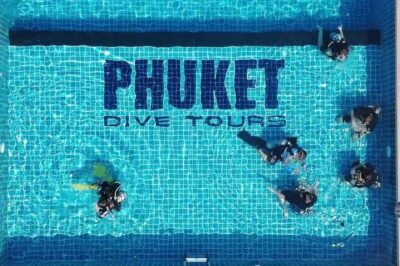 ★ 5.0Kata Beach Diving for Beginners Pool Training and 1 Beach DiveFrom $114102 reviews
 ★ 5.0Fun Diving Packages (Certified Divers)From $7193 reviews
 ★ 5.0Discover Scuba Diving 3 Dives Racha IslandsFrom $19293 reviews
 ★ 5.0Discover Scuba diving, try diving for beginners (starts from Koh Chang)From $17989 reviews
Browse the lists this tour appears in