
REVIEW · ELEPHANT SANCTUARY VISITS
Khaolak Elephant Sanctuary, Cooking Class and Waterfall Tour
Elephants have a language, and you’ll learn it here. This Khao Lak outing centers on mahout-led elephant care, from safety briefing and approach training to helping with elephant food and herbal vitamin snack balls. I especially like the hands-on way you learn how trust gets built, and the up-close elephant moments that feel respectful, not staged. One thing to consider: the rules emphasize safety and elephant choice, so expect a day that follows the elephants’ comfort level rather than a fixed, constant action schedule.
If you want a half-day that feels more like learning a skill than watching a performance, this is a solid pick. With a max group size of 20, hotel pickup, and a buffet lunch on site, it’s also one of the better value options for people who hate wasting vacation time on logistics.
In This Review
- Key things I’d zoom in on before you go
- Elephant Trust Work, Not a Theme-Park Show
- From 8am Pickup to On-Site Lunch at 12:30pm
- 8:00am to around 9:00am, pickup and safety briefing
- 9:00am, mahout outfit change and meeting the elephants
- 10:30am, local market stop to buy elephant food
- 11:30am, cooking the elephant snacks
- After eating, then 12:30pm buffet lunch
- Become a Mahout for a Few Hours (In the Best Way)
- Market Shopping and Herbal Snack Balls: Where the Experience Gets Hands-On
- Close-Up Elephant Time, Including Care in Water (Read This Carefully)
- Lunch at the Elephant Camp: Keep It Simple
- Price and Value: What $126.35 Really Buys You
- Group Size, Booking Timing, and the Day’s Pace
- Who This Tour Fits Best (And Who Might Want to Skip)
- Should You Book Khaolak Elephant Sanctuary, Cooking Class, and Waterfall Tour?
Key things I’d zoom in on before you go
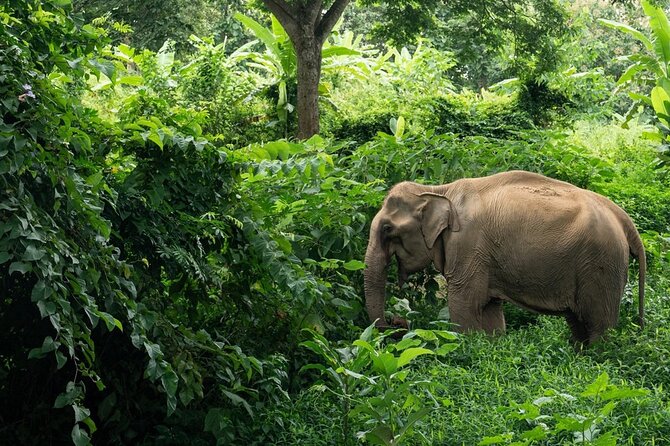
- Mahout communication, not tricks: You learn how they approach and read elephant temperament.
- Market stop for elephant food: You get to buy ingredients locally around 10:30am.
- Herbal vitamin snack balls: You’ll help make them, then watch trunks do the work.
- Close contact with no forced posing: The sanctuary won’t push elephants into photo ops.
- Small group energy: Up to 20 travelers, so you’re not lost in a crowd.
- Lunch included at the camp: A buffet lunch happens after the elephant time, around 12:30pm.
Thai sanctuary visits got read closely, riding-free
- Ethical Elephant Sanctuary Experience in Khao Lak★ 4.8 · 778 reviews
- Khao Lak: Elephant Bathing and Turtle Center Visit★ 4.9 · 490 reviews
- Khaolak: Elephant Sanctuary Guided Tour with Hotel Transfers★ 4.7 · 226 reviews
- 2-Hour Guided Eco-Tour & Transfer to Khaolak Elephant Sanctuary★ 5.0 · 91 reviews
Elephant Trust Work, Not a Theme-Park Show
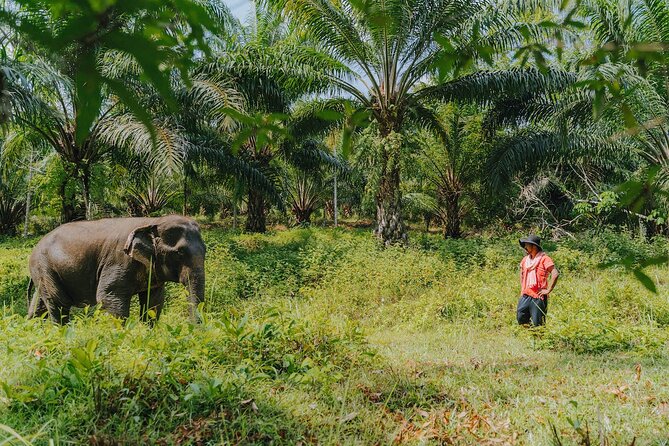
This day is built around one idea: elephants and mahouts have a bond, and it’s earned through consistent, calm routines. The camp’s approach is safety-first for both people and elephants, with a focus on observing and learning the communication that happens in everyday care.
A big plus for me is that the experience is structured around real caretaking behaviors. You’re not just told what elephants like to eat. You learn how mahouts interact, how they judge mood, and how they build trust at an elephant’s pace. That matters because elephants are big, powerful animals. Treating the day like a “grab a selfie, move on” event would miss the point entirely.
There’s also a clear boundary: the sanctuary’s rules focus on elephant well-being and choice. The information you get emphasizes that rescued elephants aren’t forced into activities they don’t want to do, and the camp won’t force elephants to pose for photos. That sets the tone. You’ll still get close, but it’s not about domination. It’s about being in the right place with the right guidance.
From 8am Pickup to On-Site Lunch at 12:30pm
Your day runs about 4 hours 30 minutes, starting with pickup from your Khao Lak hotel at 8:00am. If you like mornings that actually start on time, you’ll probably appreciate this. You meet your guide, get a briefing, and get set up for what “working with a mahout” means in practice.
Here’s the rhythm of the morning, and why it’s a good flow for most people:
8:00am to around 9:00am, pickup and safety briefing
After pickup, your guide briefs you on safety measures and what to expect when you get near elephants. You’ll also get the basics of what it means to act like a mahout for the day, even if you’re not one by trade.
This matters because it reduces chaos. You’re not winging it. You’re learning the “do this, not that” rules before your feet hit the sand.
9:00am, mahout outfit change and meeting the elephants
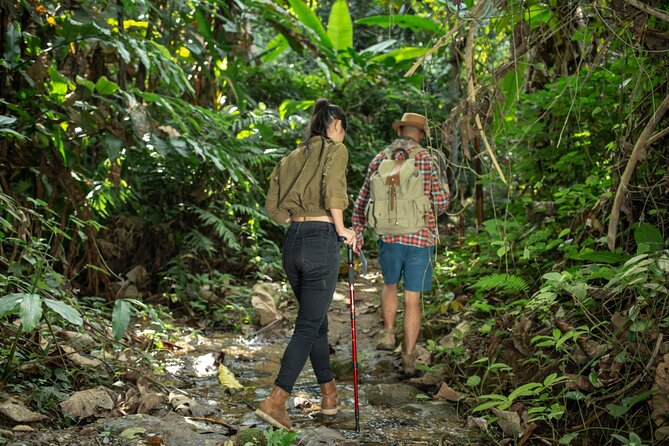
At 9:00am, you visit the mahout’s hut and change into a mahout-style outfit. Then you walk out to meet the elephants alongside a real mahout.
This is where the experience becomes more than “elephants, yay.” You learn approach technique, how to read temperament, and how trust is built through calm movement and correct timing. It’s not just watching. You’re coached.
If you want photos, you’ll be able to take them, but the camp emphasizes the elephants’ comfort. Don’t plan on constant photo moments. Plan on patient moments.
Khao Lak days also got written up


10:30am, local market stop to buy elephant food
Around 10:30am, you head to buy food from local stores. This part adds a real-world local touch. You’re learning about ingredients and seeing how elephant care connects to everyday community life.
This also breaks up the day so you don’t feel like you only sit and stare. You move, you talk, and you come back with purpose.
11:30am, cooking the elephant snacks
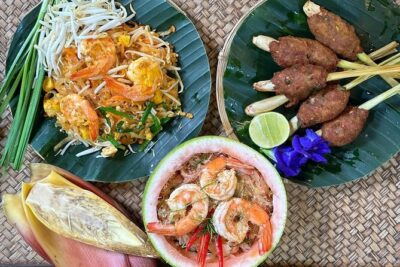
At 11:30am, you help prepare food for the elephants and make herbal vitamin snack balls. This is one of the most fun parts, because it’s concrete. You can taste what you’re doing, in the sense that you see every step and then you hand the results over to the elephants.
And yes, you’ll likely feel a little proud when the elephants respond. The trunks are skillful and fast. It’s not clumsy or frantic, it’s coordinated.
After eating, then 12:30pm buffet lunch
After the elephant feeding time, you get a buffet lunch at about 12:30pm and then return back to your hotel.
The lunch timing is smart. You’re not starving when you finish the work with the elephants, but you’re also not stuck eating before the highlight.
Become a Mahout for a Few Hours (In the Best Way)
The tour doesn’t ask you to act like a trained professional. Instead, it gives you a short, guided taste of mahout routines: safety, how to approach, and how to notice elephant mood.
The descriptions are clear that the sanctuary doesn’t do forced posing or push elephants into performance mode. That affects how the day feels. You might wait a little. You might repeat safety reminders. You might also notice that mahouts communicate with subtle movements rather than loud commands.
In one of the standout experiences from the day, a guide named Tony is mentioned as being great at keeping things organized and fun while still respectful. That’s the ideal mix: calm leadership plus real warmth.
If you’re traveling with kids, this “learn first, then meet the elephants” approach helps. It turns the day into a story you can follow, instead of a long sensory overload.
Market Shopping and Herbal Snack Balls: Where the Experience Gets Hands-On
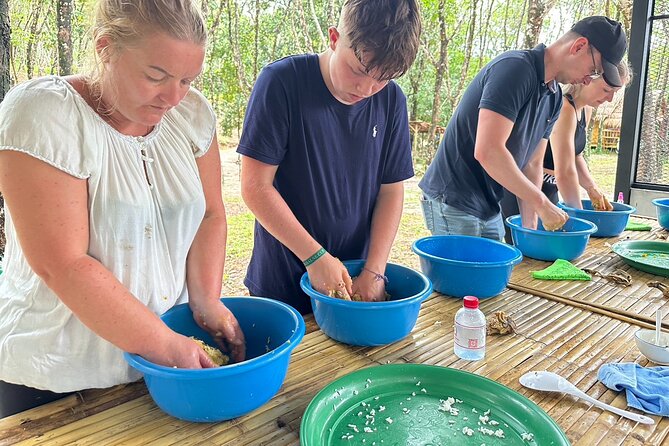
At 10:30am, you buy food from local stores. I like this because it adds context. It’s not just entertainment, it’s preparation.
Then at 11:30am, you go from shopping to cooking. Making herbal vitamin snack balls is a small workshop moment built into an animal-care day. It’s not a craft class for its own sake. The ingredients are meant for the elephants, and the process ends with you seeing how they accept the food.
A key value here is learning by doing. When you only watch, you see the elephants. When you help make food, you see the care behind the feeding. You understand why mahout routines exist, and you catch a glimpse of the long-term consistency elephants need.
If you’re the type who likes to photograph food-making steps, this is your window. If you prefer video, this is also a great time. Trunk action is the kind of footage that makes people think you’re exaggerating, until they see it.
Close-Up Elephant Time, Including Care in Water (Read This Carefully)
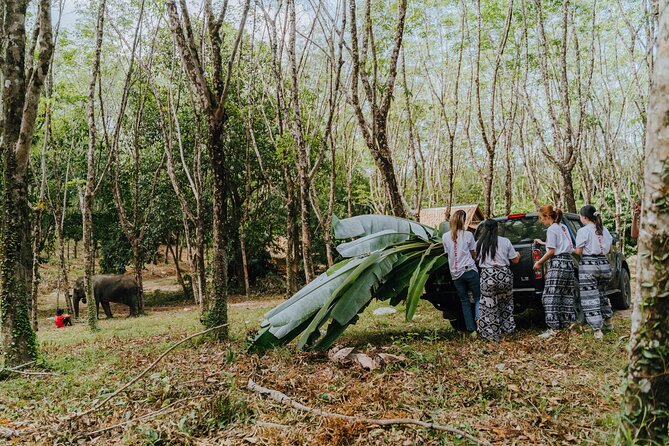
The camp description is very direct about elephant welfare and says that bathing and feeding with elephants is not permitted. At the same time, real experiences tied to this outing include washing or river bath-type interactions, with people describing helping scrub and wash elephants in the river.
So here’s how I’d handle it, practically: assume your day is structured around supervised, elephant-comfort routines, and expect you’ll be near water-related care if your guide and the conditions allow it. Also, when you book, ask what’s included on your specific date. The best way to avoid surprises is a quick clarification about whether river washing is part of your session.
Either way, the “close-up” part is a major draw. You’ll have time to approach, watch the feeding, and take photos. But the camp also emphasizes that elephants decide what they do. That’s the difference between a respectful encounter and a circus.
Lunch at the Elephant Camp: Keep It Simple
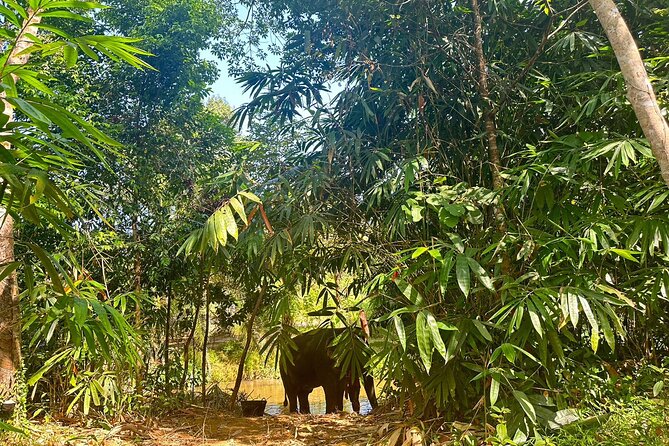
Around 12:30pm, you’ll enjoy a buffet lunch at the camp. This is one of those details that sounds minor, but it matters on tours like this.
Elephant care takes energy. Even if you’re not doing heavy labor, you’re standing, watching closely, and staying alert. A buffet lunch keeps the day from dragging. It’s also typically easier than trying to find food on your own while you’re in and out of a remote area.
My advice: eat like it’s Thailand. If something looks fresh and safe, go for it. You’ll want enough fuel for the last push back to the hotel.
Price and Value: What $126.35 Really Buys You
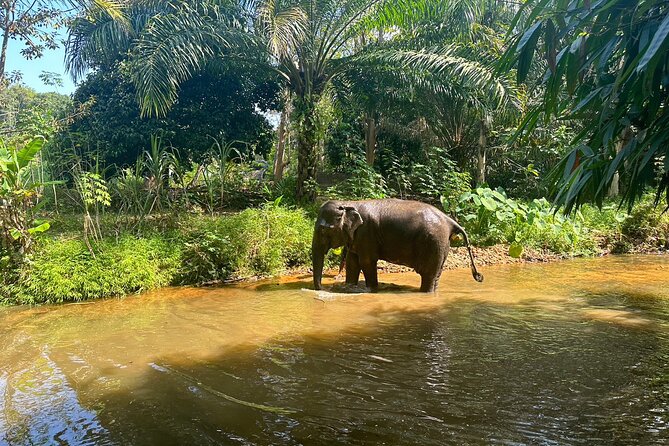
This costs $126.35 per person, and it’s often booked about 50 days in advance. That price can feel steep if you compare it to cheap “see elephants” options. But when you break down what you actually get, the value starts to make sense.
You’re not just paying for entry. You’re paying for:
- Hotel pickup in Khao Lak
- A guided structure that includes mahout approach training
- A market stop
- Cooking time, including making herbal vitamin snack balls
- On-site buffet lunch
- A small group size (max 20)
If you’ve ever done tours where you spend half the day in a van and only see animals for ten minutes, this feels more grounded. It’s longer, more skill-based, and focused on elephant care routines rather than crowd management.
If you’re on a tight schedule, 4.5 hours is also a manageable commitment. This isn’t an all-day production that steals your whole vacation.
Group Size, Booking Timing, and the Day’s Pace
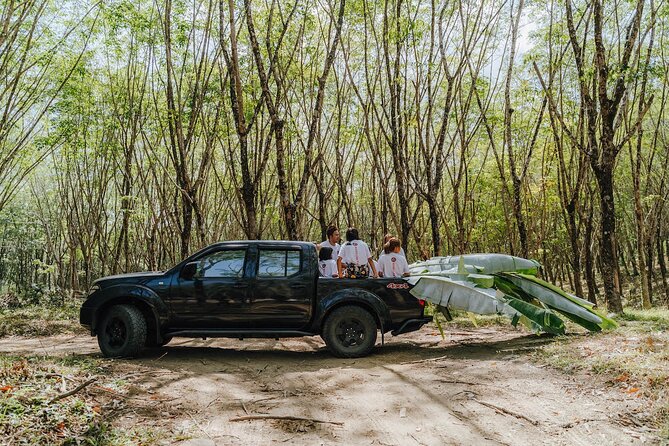
The experience caps at 20 travelers, which changes everything. In a larger crowd, your attention gets chopped up. With this size, you can actually follow instructions and keep your position without feeling like you’re constantly being moved.
Also, with pickup starting at 8:00am, you’ll want to plan your arrival the night before. Don’t book yourself into something far from the hotel zone unless you like stress with your breakfast.
Booking early helps because this seems popular. If you want a good chance at a slot, aim to reserve around the time you start planning, not last-minute.
Who This Tour Fits Best (And Who Might Want to Skip)
This is a strong fit for:
- People who want a hands-on, mahout-led learning experience
- Families with kids who can handle a structured morning and like animal-focused activities
- Travelers who care about elephant welfare principles like no forced posing and elephant choice
- Anyone who wants local culture added in, through a market stop and ingredient-based snack making
It may not be ideal for:
- People who want a fully predictable schedule with nonstop action
- Anyone who needs guaranteed water play every time, since the day is elephant-comfort dependent and the exact washing involvement can vary
Should You Book Khaolak Elephant Sanctuary, Cooking Class, and Waterfall Tour?
If you want an elephant day that feels like education plus respectful care, I’d book it. The combination of mahout communication training, making herbal vitamin snack balls, and getting close without turning the elephants into props is the core strength here. You’re also getting hotel pickup, a small group cap, and a buffet lunch, which makes the value feel more solid than many “short elephant photo stops.”
One practical decision point: confirm what your session includes regarding water washing and what feeding is allowed for you, since the description and real-world accounts can sound different. A quick question at booking is worth it.
If you’re flexible, patient, and curious about how trust works, this is the kind of Khao Lak experience you’ll remember long after you leave. And with an average rating around 4.7 and about 93% recommending it, you’re not gambling on vibes alone.
What else made it into the Thailand notebook
Out of Khao Lak, continued
Sanctuary visits, and how the elephants are actually kept
What else made it into the Khao Lak notebook
- Highlight Khaolak ATV Quad-bike Adventure Experience
★ 4.5 · 8 reviews - Khao Lak Ethical Elephant Sanctuary Conservation Experience
★ 4.5 · 8 reviews - James Bond Island & Canoe Tour by Longtail Boat – Full Day from Khao Lak
★ 5.0 · 8 reviews - Khao Lak Elephant Sanctuary Full Day Small Group Tour
★ 5.0 · 8 reviews - Khao Lak Old Town Cycling Adventure
★ 5.0 · 8 reviews - Surin Islands Snorkel Tour by SeaStar Andaman from Phuket
★ 4.5 · 9 reviews
Elephant Sanctuary Visits, compared.
 ★ 4.9Elephant Sanctuary, Waterfall & Bamboo RaftingFrom $609,160 reviews
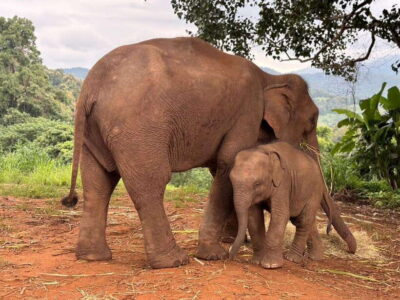 ★ 4.9Elephant Sanctuary & Waterfall Group TourFrom $505,780 reviews
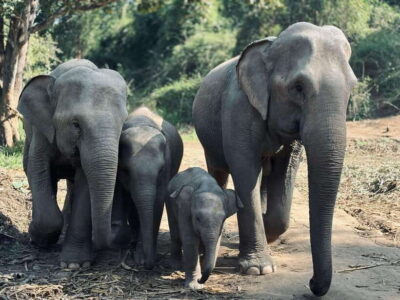 ★ 4.8Elephant Sanctuary Feeding Program Half-Day TourFrom $274,527 reviews
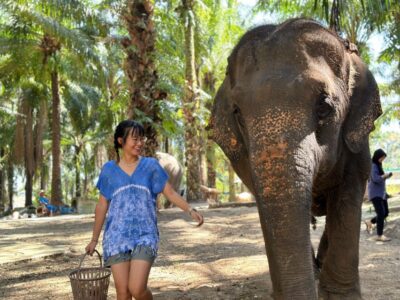 ★ 4.9Elephant Bathing Session at Krabi Elephant ShelterFrom $482,021 reviews
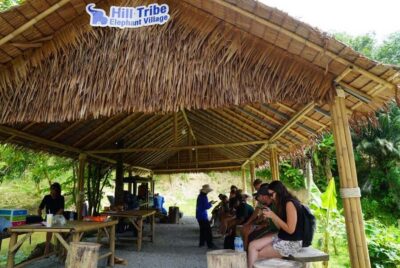 ★ 4.8Elephant Sanctuary Guided Tour with Hotel TransfersFrom $412,020 reviews
 ★ 4.8Elephant Care Program and Nursery TourFrom $531,899 reviews
 ★ 5.0A Morning with the Elephants at Phuket Elephant SanctuaryFrom $971,693 reviews
 ★ 4.8Living Green Elephant Sanctuary Day TripFrom $571,541 reviews
Browse the lists this tour appears in