
REVIEW · HIKING & TREKKING
Jungle Wisdom Survival Trek
A jungle trek without phones is rare. This one turns Northern Thailand’s mountains into your classroom, with Karen guides teaching practical survival skills and village life, then letting you sleep in a jungle camp. I love the hands-on feel, especially the way you learn by doing instead of watching. I also like that the experience is tied to women-operated tourism through Chai Lai Sisters, so your money supports local-led work.
What you’ll get that makes this worth it: real jungle skills like finding water, making simple tools, and building shelter, plus an overnight in the camp where you share meals with the community. The skills are practical, not just a lecture, and the schedule is structured so you’re active most of the day.
One drawback to consider: this is not a dry, comfortable nature walk. You should expect wet, sweaty jungle conditions, and you’ll want to pack for that (including a bathing suit if you’re comfortable with it).
In This Review
- Key things I think you’ll care about
- Mae Wang Jungle Survival, Karen Village Life, and Real Unplugging
- Price and What You Actually Get for About $81
- The Pickup, Private Group Format, and the 8:00 Start
- Day 1 in Mae Wang: Waterfall Energy, Bamboo Skills, and Wat Luang Khun Win
- Mae Wang Waterfall stop (around 3 hours)
- Wat Luang Khun Win wood temple complex (around 1 hour)
- The Skills That Make This More Than a Hike
- Overnight Jungle Camp: Dinner, Accommodation, and Shared Meals
- Day 2 in Mae Wang National Park: Village Life and Bamboo Rafting
- Bamboo rafting on the Mae Wang River
- Ethical Cultural Exchange, Women-Operated Tourism, and Respect in Practice
- What to Pack (So Day 1 Does Not Ruin Day 2)
- Who Should Book This Jungle Wisdom Trek
- Should You Book This Jungle Wisdom Survival Trek?
- FAQ
- How long is the Jungle Wisdom Survival Trek?
- Where does the tour start and where does it end?
- Is pickup included?
- Is this a private tour?
- What meals and accommodations are included?
- Is there a vegetarian option?
- What fitness level do I need?
- Can children join?
- Is there free cancellation?
Key things I think you’ll care about
- Karen-led survival lessons focused on food, water, and shelter, not just sightseeing
- Mae Wang waterfall + temple stop on Day 1, mixing nature and a 700-year-old wood temple complex
- Overnight jungle camp with dinner and breakfast, plus time to share a meal with the community
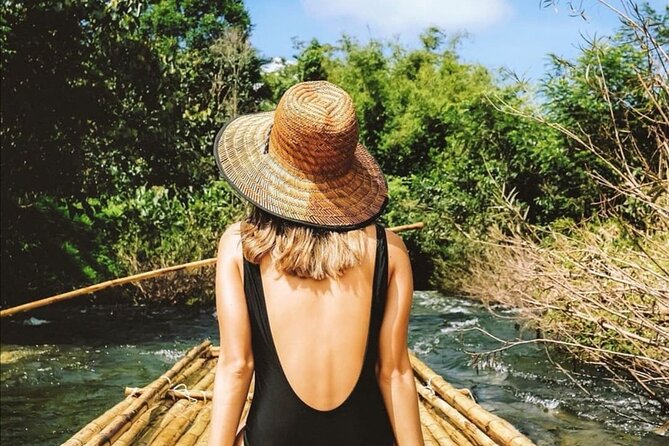
- Bamboo rafting on the Mae Wang River on Day 2, a fun change from hiking
- Moderate fitness only, but you should still be ready for uneven ground and getting wet
Thai treks got the same going over
- Chiang Mai: Full-Day Jungle Trek, Tubing & Waterfall Adventure★ 5.0 · 216 reviews
Mae Wang Jungle Survival, Karen Village Life, and Real Unplugging
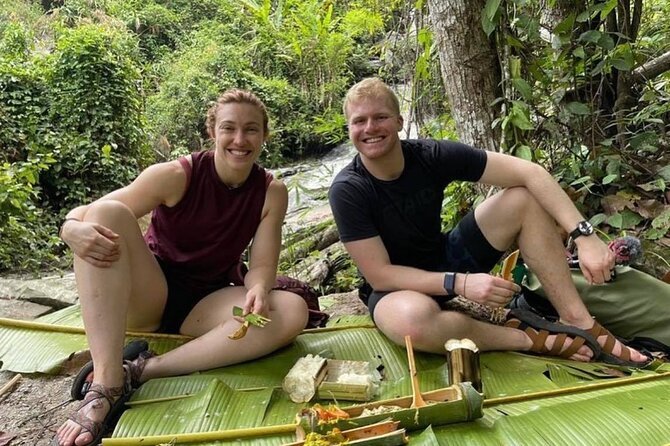
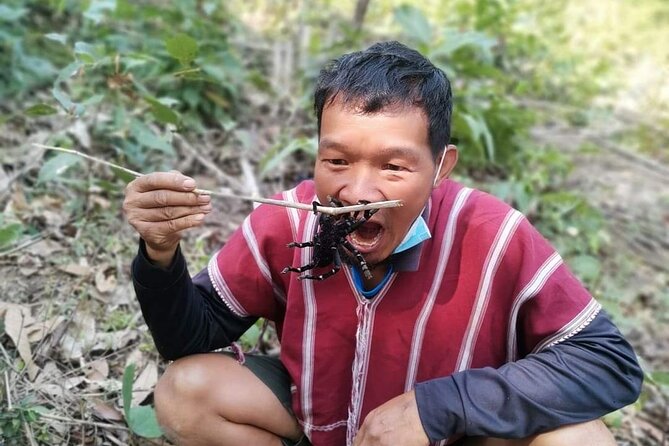
This trek is built around one idea: if you want to understand mountain life in Northern Thailand, you practice the basics where people actually use them. You’ll spend time with Karen community members and learn survival-oriented skills, like identifying food sources and making everyday items from what’s around you. Then you’ll shift from lessons to lived experience by sleeping in a jungle camp and sharing meals.
You’re also going to step away from modern routines. No popping into a café for a break from the heat, no scrolling when you’re tired. That’s part of the charm, and it’s part of the work. You’ll feel the jungle day by day, from the hike between stops to the river time on Day 2.
And yes, it’s cultural. But it’s not passive cultural theater. The tour is set up so you’re learning how people raise animals, plant crops, and live in rural rhythms.
Price and What You Actually Get for About $81
At $81 for about two days, this is priced like an adventure, not like a luxury retreat. The big reason it can feel like good value is what’s wrapped into the price.
You get:
- Two breakfasts and two lunches
- A dinner with a two-course meal
- Overnight accommodation
- Bottled water
- Tickets where included (and the temple stop is listed as free)
When a tour includes food and lodging in the mountains, you’re cutting down the hidden costs you’d otherwise add yourself. You’re also buying guided instruction, plus the time logistics of pickup and transport from the Mae Wang area.
Is it expensive? No. Is it basic? Also no. It’s more like a structured, guided cultural survival experience that still leaves you with the “simple life” feel.
The Pickup, Private Group Format, and the 8:00 Start
The meeting point is Chai Lai Orchid Eco Lodge and Cafe, and you start at 8:00 am. The tour is listed as private, meaning only your group participates. That matters because it usually means less waiting, fewer awkward pacing issues, and a more personal connection with your guide and instructors.
Pickup is offered, which is helpful if you’re basing yourself near Chiang Mai but you do not want to figure out local transport to the Mae Wang District area. If you do have your own ride, you may still find the pickup option easier.
One small but real tip: with an early start, plan your morning the night before. Chiang Mai can tempt you into staying out late. This trek is the opposite of late-night mode.
Day 1 in Mae Wang: Waterfall Energy, Bamboo Skills, and Wat Luang Khun Win
Day 1 begins in Mae Wang District, about an hour from Chiang Mai. The tour is designed so you’re outside right away, then you transition into cultural context.
Mae Wang Waterfall stop (around 3 hours)
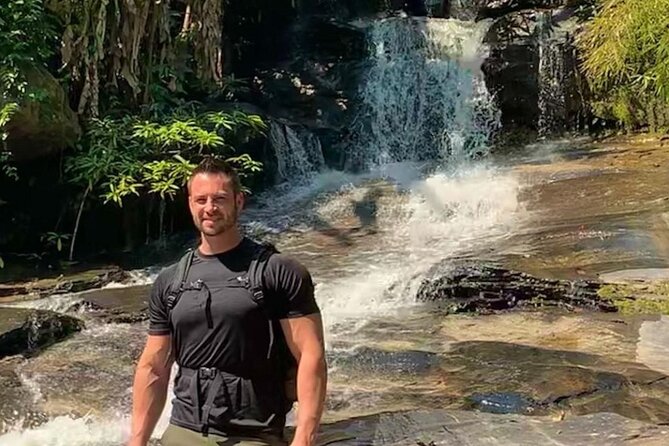
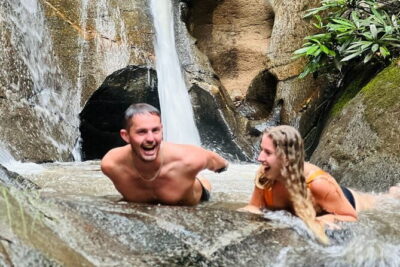
This is your first big nature hit. The waterfall area is a natural place for a jungle survival style introduction because you’re surrounded by plants, water sources, and terrain that teach you what matters in the hills.
During this stretch, you’ll learn the kinds of skills that keep survival lessons grounded:
- Traditional approaches to jungle medicine
- How to find water in bamboo
- How to make utensils from bamboo
- Using a slingshot
- Practical ways to use wildlife for food or medicine (as reflected in guide-focused feedback)
A key value here is that these skills are taught by a Karen guide, and the instruction feels tied to how mountain people think and work, not just how tourists take photos.
A practical note: waterfalls and jungle hikes can mean mud, spray, and damp clothing. I’d treat your Day 1 outfit like it’s disposable. (Or at least not precious.)
Wat Luang Khun Win wood temple complex (around 1 hour)
After the waterfall, you’ll visit Wat Luang Khun Win, a 700-year-old wood temple complex in the jungle. This stop is short, but it changes the pace. You go from active outdoor time to quiet, grounded history in a place that doesn’t feel like a city attraction.
The temple stop is listed as free entry, which is nice. It also gives you a break from heat and exertion before the overnight portion starts.
The Skills That Make This More Than a Hike
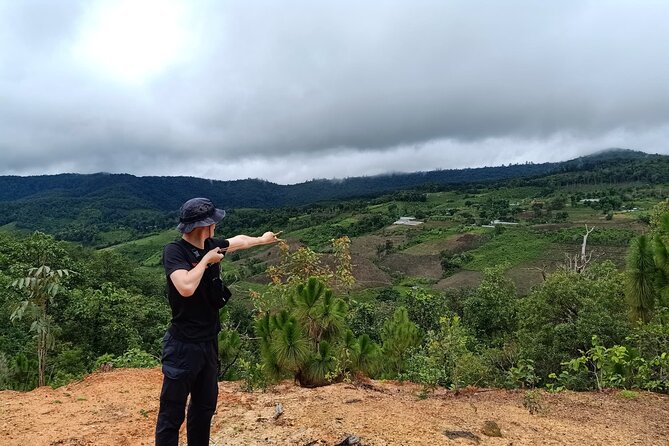
The Jungle Wisdom angle is not just a name. The tour is structured around learning how to do basic things in a mountain environment, using materials the way local communities do.
Here are the skill categories you should expect to work with:
- Edible plants and what to look for
- Finding and using bamboo for water and simple items
- Shelter building basics
- Safety in the mountains, including situational awareness
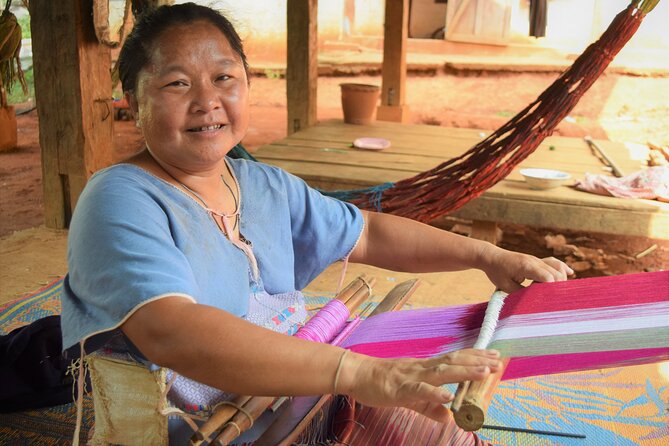
- Making clothes from natural fibers (as part of the skill focus)
Even when you’re not fully “doing survival” like a long-distance trekker, you’re getting real context for why the details matter. You’ll start to understand how survival is mostly repetition: knowing what’s safe, knowing where to get water, and knowing how to build and repair the basics.
And there’s one more angle I really appreciate: a guide named Kham is specifically mentioned in feedback for being warm and extremely skilled at explaining things as you move along. That kind of guiding style can make the difference between “cool story time” and “I actually get it.”
Overnight Jungle Camp: Dinner, Accommodation, and Shared Meals
This is the part that changes the whole experience. Instead of turning it into a day tour, you sleep in a jungle camp. That means your day does not end when the sightseeing ends.
The tour includes:
- Accommodation for the overnight
- Dinner (listed as a two-course meal)
- Breakfast for two days
- Lunch on each day
- Bottled water
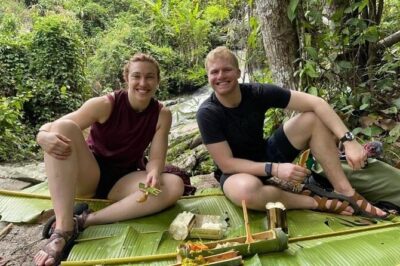
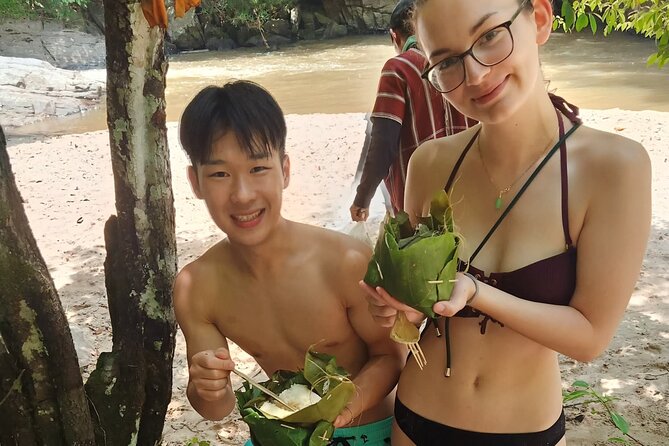
Expect a simple rhythm. You’ll likely spend your evening eating and talking with the people involved, guided by the cultural exchange structure. Sharing meals matters because it’s one of the few ways to connect without turning everything into performance.
If you’re hoping for hotel comforts, you’ll want to adjust expectations. But if you want a real “unplug and slow down” feeling, the camp is exactly where that happens.
Also, plan for wet conditions. One very practical piece of advice from experience feedback: bring a couple of changes of clothes, and consider packing a bathing suit. You’ll probably get wet and sweaty, and having something dry and clean makes the overnight feel way better.
Day 2 in Mae Wang National Park: Village Life and Bamboo Rafting
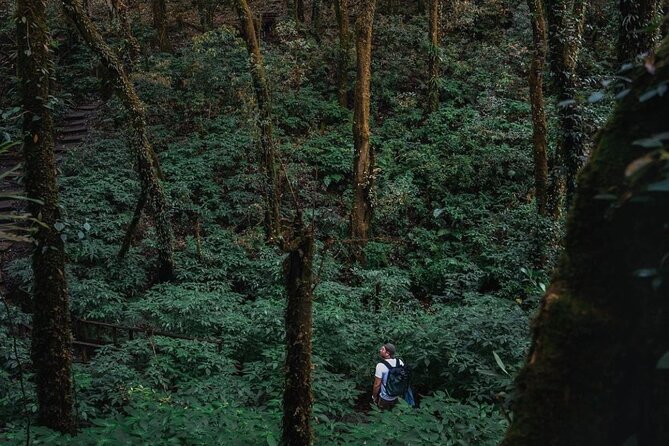
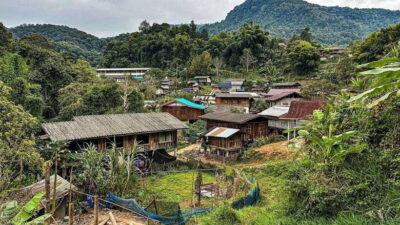
Day 2 moves into Mae Wang National Park, where you’ll spend time learning the traditional way of life in a Karen Hill Tribe village. The focus is hands-on and observational, with time to see:
- Traditional Karen houses
- How villagers raise animals
- How they plant crops
- What daily rural life looks like
This part of the experience is valuable because it grounds the survival skills in actual living. You’re not just learning how to survive if things go wrong. You’re seeing how people sustain life in a normal day.
Bamboo rafting on the Mae Wang River
After the village time, you’ll go bamboo rafting on the Mae Wang River. This is a fun switch after hiking and learning. It’s also where you might see the logic of bamboo again, since bamboo is a central material throughout the tour theme.
The rafting part is about steering, balance, and doing it with your group. It’s also a good way to cool off after a morning of walking.
Ethical Cultural Exchange, Women-Operated Tourism, and Respect in Practice
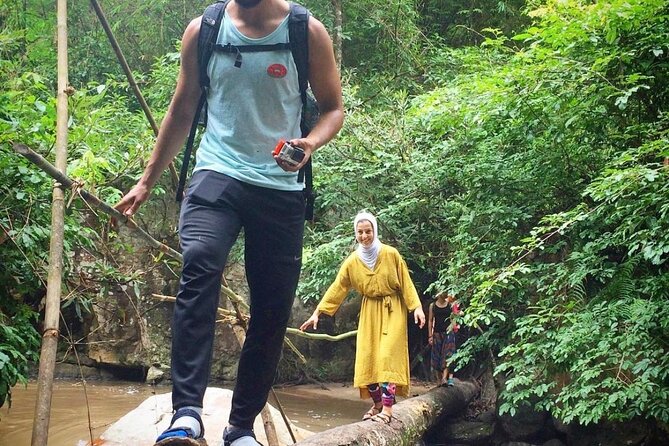
The tour is described as supporting sustainable and women-operated tourism, connected to Chai Lai Sisters. That’s important to me because it signals the destination is not just taking people for a photo and moving on.
But ethical tourism is not a buzzword. It works only if you show respect while you’re there. In practical terms, that means:
- Treat the guide and hosts as teachers, not entertainers
- Ask questions with curiosity and keep instructions in your mind
- Understand that you’re a visitor in someone’s living world, even if you’re there for a short time
The best part of a cultural survival trek is that it doesn’t ask you to pretend you’re local. It asks you to learn, participate, and share space politely.
What to Pack (So Day 1 Does Not Ruin Day 2)
You’ll hike, you’ll get warm, and you’ll likely get wet. Pack for that. I’d build your kit around comfort and quick changes rather than “what looks good in pictures.”
Based on what people reported from doing this, key items to consider:
- A couple of changes of clothes
- A bathing suit (if you’re comfortable), since you may splash and get sweaty
- Basic footwear that handles muddy, uneven ground
- A small dry bag or zip pouch for your phone and important items
- Sun protection, because you’ll be outside a lot
- Any vegetarian needs you may have, flagged at booking (there is a vegetarian option)
Also, keep an eye on the fact that the tour lists “moderate physical fitness.” That doesn’t mean you need to be an athlete, but it does mean you should be comfortable walking and moving steadily.
Who Should Book This Jungle Wisdom Trek
This trek fits best if you want:
- Hands-on survival skill learning in a real mountain setting
- An overnight experience that feels like you’re part of the day, not just passing through
- A Karen Hill Tribe cultural exchange that includes village life and shared meals
- A manageable two-day schedule with guided structure
You should probably skip it if you:
- Need hotel-style comfort
- Hate getting wet or muddy
- Want a fully “easy hike” with minimal exertion
- Are not comfortable with basic outdoor cooking, camp life, and limited modern convenience
It’s also a good choice for couples or small groups who like the idea of a private tour format.
Kids are welcome, but the tour notes that children must be accompanied by an adult, so plan accordingly.
Should You Book This Jungle Wisdom Survival Trek?
If you’re looking for a structured, unplugged two-day experience in Northern Thailand that combines jungle survival skills, village life, and a real overnight camp, this is a strong bet for your time and money. The included meals and accommodation help justify the $81 price, and the mix of waterfall, temple, village learning, and bamboo rafting keeps it from feeling repetitive.
Book it if you can handle wet jungle conditions, you enjoy learning by doing, and you want cultural exchange that supports local-led tourism through Chai Lai Sisters. Skip it if you want a polished, comfort-first nature tour.
FAQ
How long is the Jungle Wisdom Survival Trek?
It’s listed as 2 days (approximately).
Where does the tour start and where does it end?
It starts at Chai Lai Orchid Eco Lodge and Cafe and ends back at the same meeting point.
Is pickup included?
Pickup is offered.
Is this a private tour?
Yes. It’s described as private, and only your group will participate.
What meals and accommodations are included?
Dinner and lunch are included each day, along with two breakfasts. The price also includes overnight accommodation as per the itinerary.
Is there a vegetarian option?
Yes. A vegetarian option is available if you request it at booking.
What fitness level do I need?
The tour says travelers should have a moderate physical fitness level.
Can children join?
Children can join, but must be accompanied by an adult.
Is there free cancellation?
Yes. You can cancel for a full refund up to 24 hours in advance of the experience start time.
Thai treks, continued
What else made it into the Thailand notebook
What else made it into the Northern Thailand notebook
- Chiangmai Coffee Farm Tour
★ 5.0 · 34 reviews - Single Day Enduro Tour
★ 5.0 · 37 reviews - Customized Phuket Tours with Private Driver
★ 5.0 · 44 reviews - Private Guided Tour: Amazing Phuket Island & Big Buddha
★ 5.0 · 65 reviews - Private PHUKET Departure Transfer – Hotel to Phuket Airport
★ 5.0 · 70 reviews - Chiang Mai Half-Day River Tubing & Elephant Observation
★ 5.0 · 73 reviews
Hiking & Trekking, compared.
 ★ 5.03-in-1: Doi Inthanon Tour, Elephant Sanctuary, and Trekking TrailFrom $481,087 reviews
 ★ 4.6Doi Inthanon Trip with Pha Dok Siew Guided TrekFrom $50910 reviews
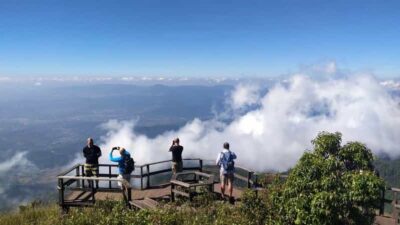 ★ 4.7Doi Inthanon Park with Kew Mae Pan Hike Day TripFrom $62841 reviews
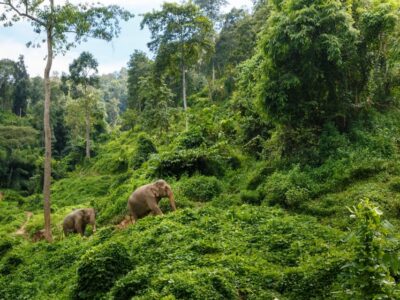 ★ 4.6Doi Inthanon Park and Pha Dok Siew Trail TrekFrom $61752 reviews
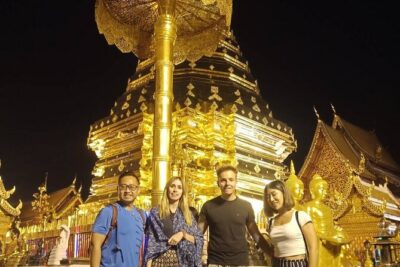 ★ 4.6Chiang Mai – Doi Suthep Temple & Wat Pha Lat HikeFrom $25740 reviews
★ 5.0Chiang Mai – Doi Suthep Temple & Wat Pha Lat HikeFrom $26657 reviews
★ 4.6Chiang Mai – Doi Suthep Temple & Wat Pha Lat HikeFrom $25740 reviews
★ 5.0Chiang Mai – Doi Suthep Temple & Wat Pha Lat HikeFrom $26657 reviews
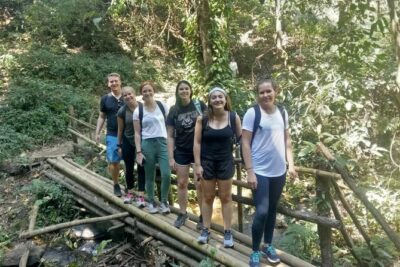 ★ 5.0Doi Inthanon Private Tour with Trek & Lunch from Chiang MaiFrom $135622 reviews
 ★ 4.5Doi Inthanon National Park and Pha Dok Siew TrekFrom $39527 reviews
Browse the lists this tour appears in