
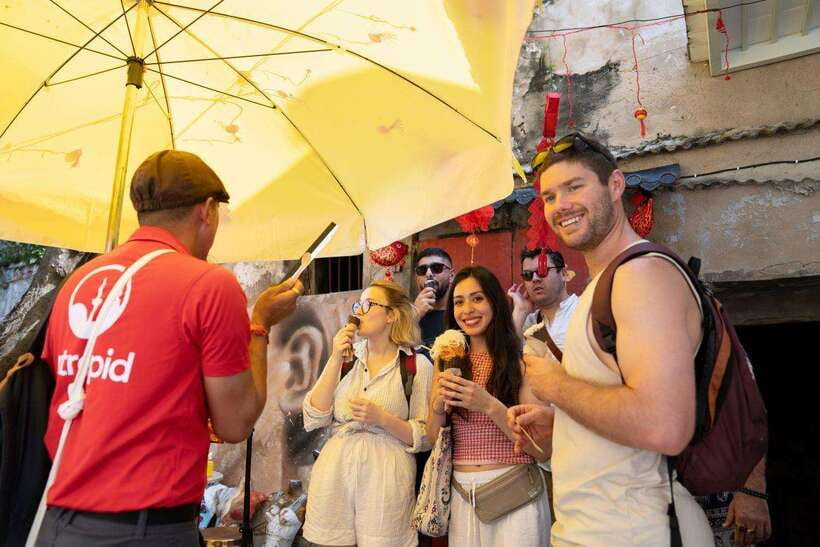
REVIEW · BANGKOK CHINATOWN FOOD WALKS
Bangkok: Talad Noi Hidden Gems & Street Food Adventure
Bangkok smells like breakfast and prayer, and Talat Noi is where Thai and Chinese neighbors share the same streets. I love the Thai and Chinese food sampling built around classics like turnip cake, and I love the guided stop at Holy Rosary Church from 1787. If you care about history and you also care about eating well, this is a strong combo, especially with a small-group format where your local English-speaking guide can actually answer follow-up questions. Guides such as PK, Nana, and Bebe have been called out for their clear English and friendly pace.
One thing to plan for: you walk about 2 km, and this tour is first and foremost a food-focused route, not a temple-only sightseeing day. If you want a slow, quiet church crawl with zero street food, you might find the balance a bit off.
In This Review
- Key things I’d watch for
- Why Talat Noi is the right Bangkok food-and-history mix
- Meeting at River City Gate 1, then shifting into neighborhood mode
- Holy Rosary Church (1787) and the calm before the snacks
- Talad Noi street art and the riverside café break
- The food tastings: turnip cake, chwee kueh, duck noodles, and more
- Chow Sue Kong Shrine and Hong Sieng Kong: where details matter
- Chinatown edges and the walk toward Si Phraya
- Price and value: getting more than just snacks for about $41
- Who should do this tour, and who should skip it
- Ethical travel note: carbon neutral and B Corp certified
- FAQ
- Where does the tour start?
- How much walking is involved?
- What food and drinks are included?
- Can vegetarians join?
- Is the tour suitable for young children?
- Is there a private option?
- Should you book this Talad Noi street food and culture walk?
Key things I’d watch for
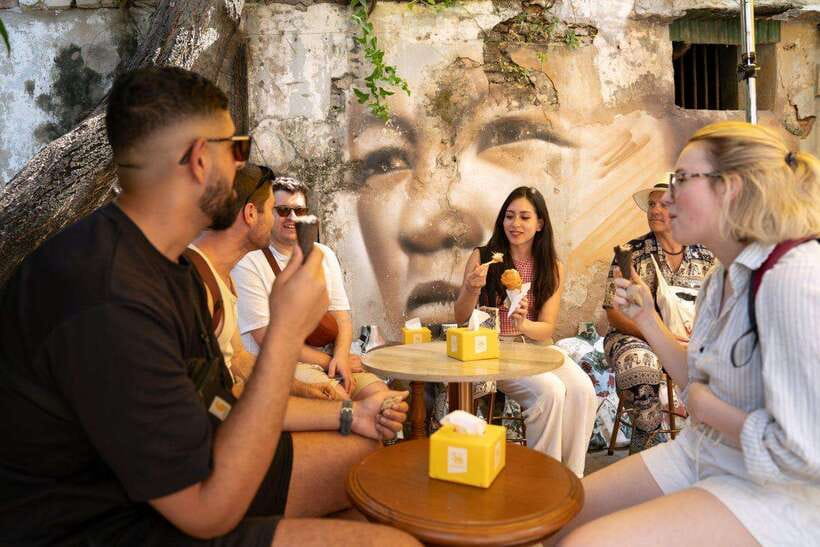
- Turnip cake and chwee kueh tasting that shows how Chinese-style dim sum blends into Thai street food
- Holy Rosary Church (built in 1787), a real historical anchor before you go hunting for snacks
- Chow Sue Kong Shrine (about 200 years old) with detailed architecture worth slowing down for
- Small-group attention (or private option) that makes it easier to ask food questions and get practical tips
- A relaxed riverside café break that gives your legs a breather before you hit the next streets
Yaowarat eating walks sat in the same folder
- Bangkok: Tuk Tuk Adventure Chinatown Michelin Food & Temples★ 4.3 · 725 reviews
- Bangkok Tuk-Tuk Tour by Night with Chinatown Street Food Meal★ 5.0 · 635 reviews
- Bangkok by Night Food Tour with 10+ Tastings in Chinatown★ 5.0 · 545 reviews
- Bangkok Tuk-Tuk by Night with Chinatown Street Food Meal★ 4.6 · 263 reviews
Why Talat Noi is the right Bangkok food-and-history mix
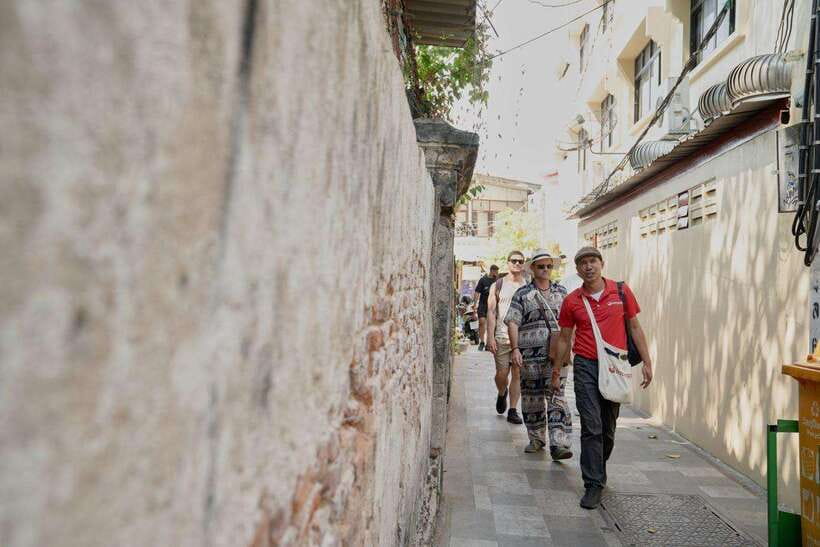
Talad Noi is one of those Bangkok areas where you can feel multiple layers at once. Chinese and Thai culture overlap in the signage, the temples, the street-side kitchens, and the way people eat. That overlap is exactly why this kind of tour works better than a generic Chinatown checklist.
You are not just walking past food. You’re tasting specific dishes tied to the neighborhood’s identity, and you get just enough context to understand why certain foods show up here again and again. The focus on Thai-Chinese street food matters because it changes your experience from browsing to learning.
And the pace is built for humans. The route covers about 2 km, which is manageable for most adults, but it is still enough walking that you’ll want comfy shoes. You’re not stuck on a bus all day, and that’s where the value comes from: you’re seeing daily life up close.
Meeting at River City Gate 1, then shifting into neighborhood mode
The day starts at River City Bangkok, at River City Gate 1, in front of the Starbucks on the 1st floor. That’s a smart choice because River City is easy to find, and it sets you up for a smooth transition from tourist Bangkok into a more local rhythm.
This tour runs about 150 to 270 minutes, so you can treat it like a true afternoon or early evening plan depending on your schedule. The group size is the real advantage. With a small group (up to around 12), you’re less likely to get stuck following a rushing line. It also means your guide can adjust on the fly if you have questions about food, ingredients, or what you’re seeing.
If you prefer your own space, there’s also a private group option. That’s useful if you’re traveling with someone who wants a deeper conversation, or if your group has specific food questions and you don’t want to wait for turns.
Holy Rosary Church (1787) and the calm before the snacks
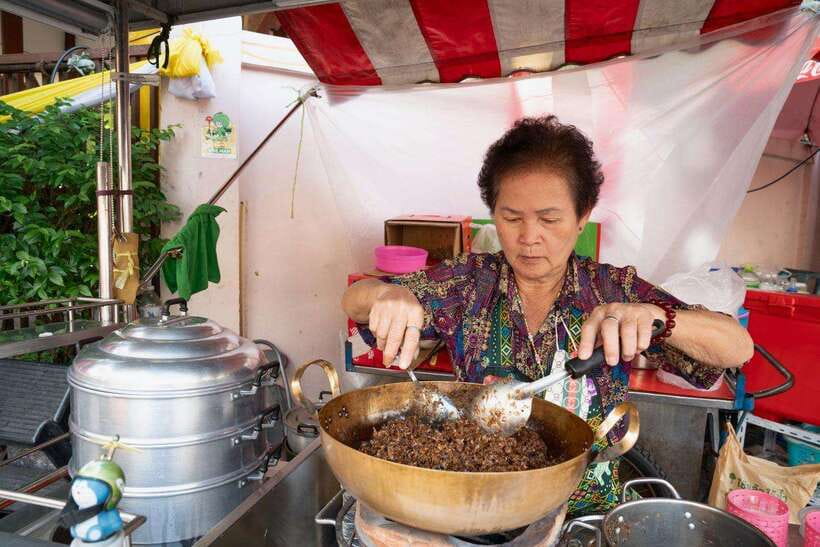
Before the street food starts taking over your senses, you visit Holy Rosary Church, built in 1787. This stop is more than a quick photo moment. It gives you a starting point for understanding how old Bangkok held different communities side by side.
Pay attention to the timing and mood here. A church visit sets a calmer tempo. It also gives you contrast. Afterward, the streets feel louder and faster in a way that makes the food stops even more satisfying. The church is a historic landmark, and your guide’s explanations help you connect that landmark to the neighborhood around it.
One practical note: churches tend to have their own visitor expectations. Wear clothing that’s comfortable for walking, and keep it respectful for a place of worship. If you’re traveling in heat, plan to bring a light layer for indoor air conditioning and then peel it off as you step back into the lanes.
Talad Noi street art and the riverside café break
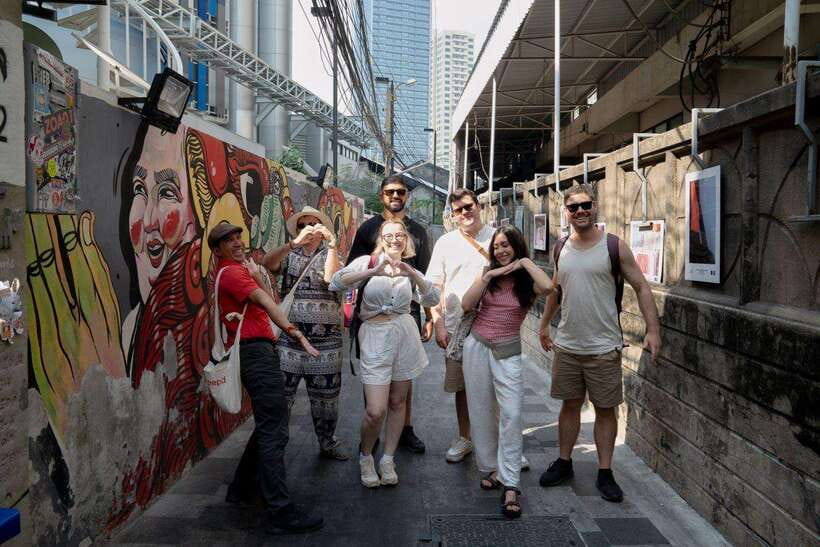
After you get your historical footing, the route shifts into the neighborhood itself. You’ll go through narrow lanes and see street art in the context of everyday life, not as a theme park. That matters because street art here is part of the neighborhood’s voice, and it helps you notice details you would otherwise miss.
Then comes a relaxing riverside café stop. This is a good design choice. Street food tours can turn into a nonstop sugar-and-salt sprint. A seated break helps you recharge, sip something, and pace your tasting so you actually enjoy it rather than just survive it.
The tour includes drinks such as coffee, tea, and boba tea. That’s not a throwaway perk. Having a familiar drink option keeps the tasting balanced when you want to slow your mouth down between bites.
Thai street eating routes also got a going over
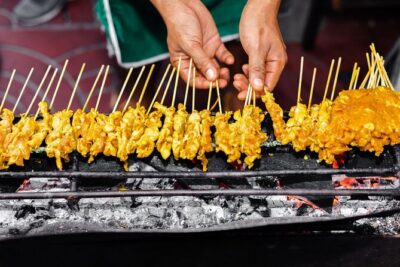
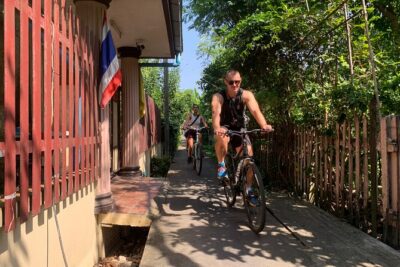
The food tastings: turnip cake, chwee kueh, duck noodles, and more
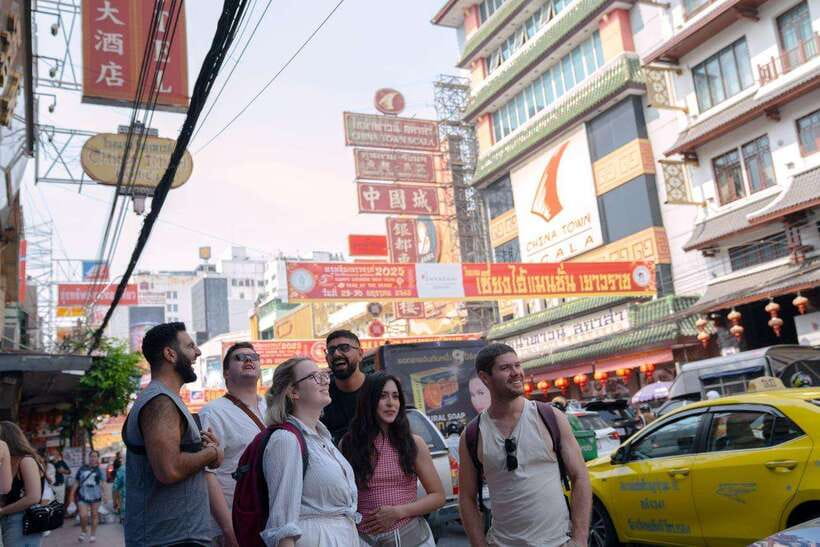
Let’s talk about why you’d book this tour in the first place: eating. You get a set of local samples that highlight the Thai-Chinese connection in real, practical ways.
You can expect to taste dishes like:
- Turnip cake, a Chinese dim sum-style favorite
- Chwee kueh, steamed rice cake served with preserved radish
- Chao Tha, duck noodles soup
- Phad Thai Uncle Pom, a named local style option
Here’s what I think is smart about this menu. It is not random. These items show up because they match the neighborhood’s food identity. You’re tasting textures and flavors that are common in Chinese-influenced Thai cooking, then learning how they fit Bangkok’s street food scene.
How to get the most out of it:
- Come hungry, but not empty. If you eat a big heavy meal right before, you can end up skipping bites just to stay comfortable. One guide story I’ve learned from the pattern of feedback: eating earlier can be a mistake for this kind of tour, because the tasting is the main event.
- Take small breaks between tastings. If you treat each stop like a full meal, you’ll feel it.
- Ask your guide what you’re tasting. Even simple questions like what makes it different, or what to look for in the texture, turn snacks into learning.
A small warning: the included food samples are the focus, and the tour notes say additional food and drink are not included. Translation: if you fall in love with one dish and want a second round, you’ll have to buy it separately.
Chow Sue Kong Shrine and Hong Sieng Kong: where details matter
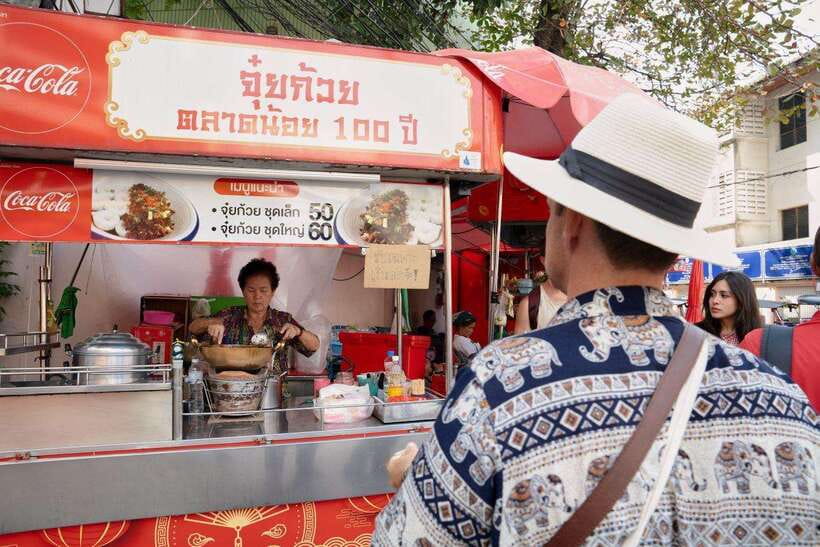
Next up is Chow Sue Kong Shrine, which is described as about 200 years old. Places like this reward slower attention. Your guide’s walkthrough helps you spot the kinds of details that are easy to miss when you’re just passing through.
After that, you also visit Hong Sieng Kong. Together, these stops add depth to the day. You’re not only eating; you’re connecting food to place, and place to the communities that built it.
What makes this part valuable is the sequencing. You’ve already experienced a historic church, then you shift into neighborhood streets, then into the shrine area. That rhythm helps you notice how different religious sites can still sit inside the same daily ecosystem.
If you’re hoping for a temple-only day, adjust expectations. This is not built to be a slow, long temple marathon. The temples matter, but food is the main driver. If your ideal day is 90 percent temple time, you may find the temples here a bit shorter than you wanted.
Chinatown edges and the walk toward Si Phraya
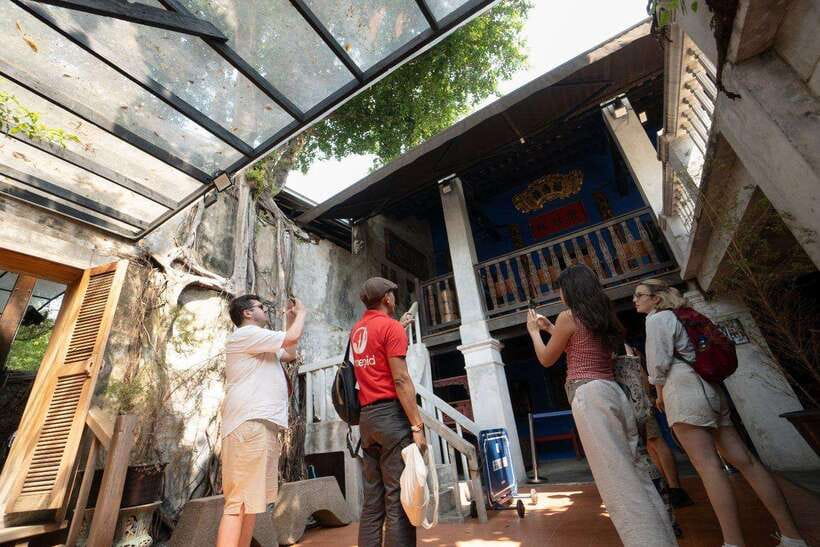
As the day continues, the route crosses toward Bangkok’s Chinatown, with old-world street character mixing with modern life. The guide helps you interpret what you’re seeing so the streets feel less like a maze and more like a story with landmarks.
You also end at Si Phraya. That finish point is useful because it puts you closer to the river area where it’s easier to continue your day on your own terms, whether that means grabbing dinner nearby or planning your next stop.
The final stretch is also where small-group energy pays off. If you’re in a group of about a dozen, you’re less likely to get separated and less likely to lose track of what you’re walking toward. You can keep asking questions, and you’re not just trying to keep pace with a crowd.
Price and value: getting more than just snacks for about $41
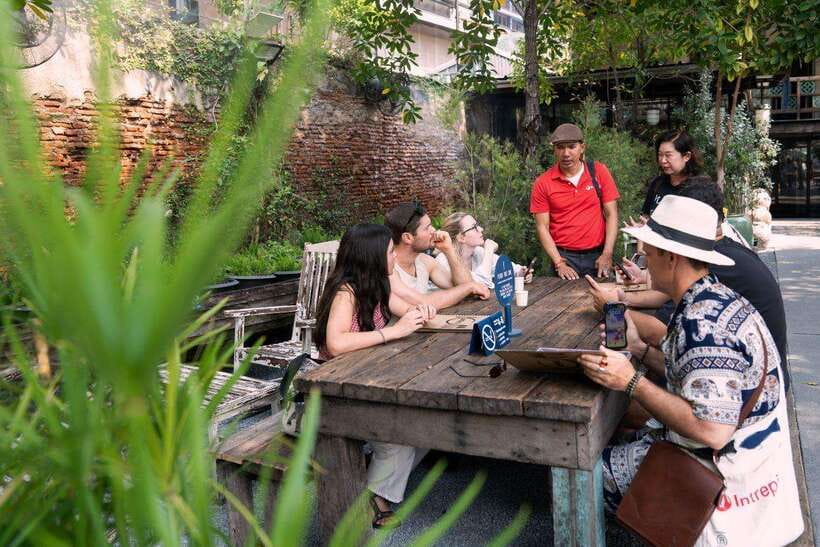
At $41 per person, this tour sits in a middle range for Bangkok. The real question is whether the value is worth it for you.
Here’s the practical value checklist:
- You get a local English-speaking guide, not just a printed route.
- You get a structured Talad Noi walking experience with multiple named stops.
- You get multiple Thai-Chinese food samples, not one or two items.
- You get drinks included (coffee, tea, boba tea).
- You visit Holy Rosary Church and Chow Sue Kong Shrine as specific cultural anchors.
If you were to recreate this on your own, you’d still pay for some guided interpretation, plus you’d have to manage what to eat and where to go. This tour removes that uncertainty. You also get pacing, which matters because street food tasting works best when you’re not guessing your way into getting too full too fast.
If your top priority is the absolute cheapest food day, you could DIY it. But if you want guided context plus a curated set of tastings, the price starts to look like a fair trade.
Who should do this tour, and who should skip it
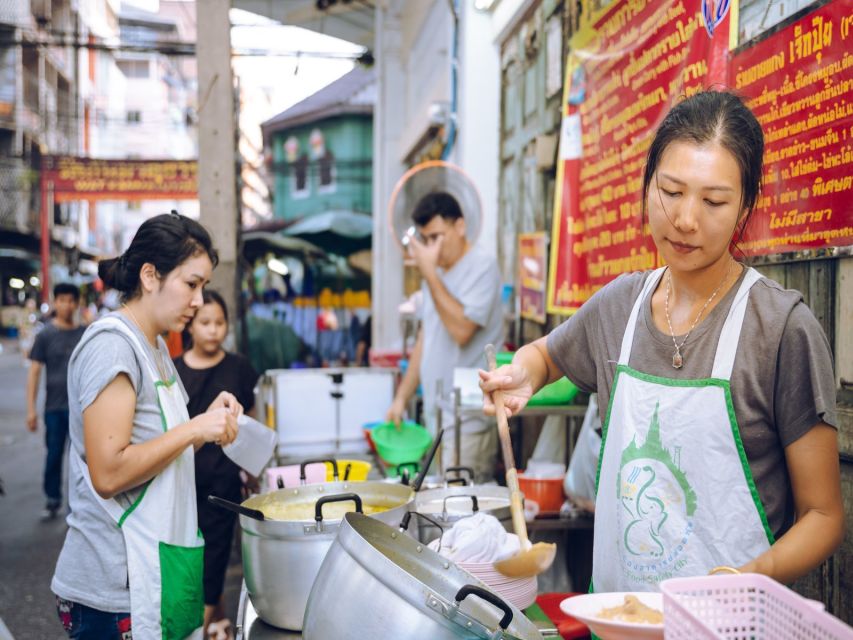
This fits best if you like street food, you like cultural context, and you prefer a small group. It is also a good pick if you want a neighborhood walk of about 2 km without needing to plan every step yourself.
It’s not suitable for children under 8, so plan for that if you’re traveling as a family.
Diet-wise, the tour can cater for vegetarians, but you must provide that at least 24 hours prior. It also says it cannot cater for other dietary requirements not listed. If you have allergies or a more complex dietary need, double check with the operator before you book.
Finally, I’d call it out for the style of traveler who loves talking with a guide. Multiple guide stories point to friendliness and good English, with time for questions. If you want a quiet, one-way walk with zero conversation, you might find that too interactive.
Ethical travel note: carbon neutral and B Corp certified
You’ll also notice a modern, values-based angle. The tour is described as carbon neutral and operated by a company with B Corp certification focused on using travel as a force for good. That doesn’t change your sandwich, but it does change the behind-the-scenes footprint.
If that kind of commitment matters to you, it is a plus. If you don’t care, you can still focus purely on what you’re getting on the ground: guided walking, food tastings, and historic landmarks.
FAQ
Where does the tour start?
The meeting point is River City Gate 1, in front of Starbucks on the 1st floor.
How much walking is involved?
The tour covers about 2 km (1.2 mile) of walking.
What food and drinks are included?
You’ll receive local Chinese and Thai food samples such as turnip cake, chwee kueh, Chao Tha (duck noodles soup), and Phad Thai Uncle Pom. Drinks such as coffee, tea, and boba tea are also included.
Can vegetarians join?
Yes. The tour can cater for vegetarians, as long as you provide that information at least 24 hours prior to your travel date.
Is the tour suitable for young children?
No. It is not suitable for children under 8.
Is there a private option?
Yes. A private group option is available, and the tour is also offered in a small group.
Should you book this Talad Noi street food and culture walk?
I’d book it if you want a Bangkok day that’s practical and flavorful, not just a checklist of famous spots. The big strengths are the Thai-Chinese tastings tied to real landmarks, plus the chance to learn from a guide who can handle both culture and food questions.
Skip it if your goal is mostly temples and long sightseeing pauses. This is a food-first walk, with churches and shrines as meaningful context, not the entire day’s length.
If you can show up with a decent appetite and comfy shoes, you’ll get a lot out of it for about $41, especially because you’re not doing the guessing game on what to eat next.
What else made it into the Thailand notebook
Thai street eating, plate by plate
Yaowarat after dark, plate by plate
What else made it into the Bangkok notebook
- Mahanakhon SkyWalk Entry Ticket
★ 4.3 · 20 reviews - Bangkok: Nimitr Rooftop by 137 Pillars
★ 4.8 · 20 reviews - Bangkok: Cook authentic Thai food with Smart Cook
★ 5.0 · 20 reviews - Bangkok: Travstore Original Bangkok Discovery Tour
★ 4.5 · 20 reviews - Bangkok: Chao Phraya Princess Dinner Cruise & Hotel Transfer
★ 4.2 · 20 reviews - 1 Hr Private Bangkok Canal Boat Tour: Traditional Flat Boat
★ 4.5 · 20 reviews
Bangkok Chinatown Food Walks, compared.
 ★ 4.9Bangkok Authentic Tasting Thai-Chinatown Walking Food TourFrom $43852 reviews
 ★ 4.3Tuk Tuk Adventure Chinatown Michelin Food & TemplesFrom $18725 reviews
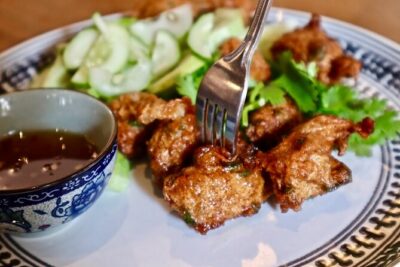 ★ 5.0Bangkok by Night Food Tour with 10+ Tastings in ChinatownFrom $46545 reviews
 ★ 4.6Bangkok Tuk-Tuk by Night with Chinatown Street Food MealFrom $40263 reviews
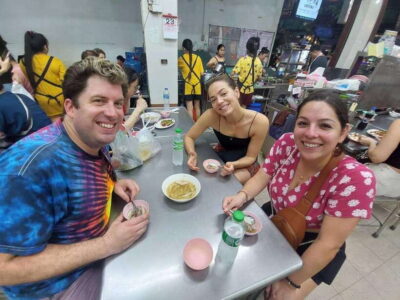 ★ 4.8Chinatown Food Tour with Michelin Food StallsFrom $36226 reviews
 ★ 5.0Bangkok Night Michelin Foodie Tour in Chinatown with 15+ tastingsFrom $56189 reviews
 ★ 5.0Night Street Food Tour of Bangkok’s ChinatownFrom $58173 reviews
 ★ 4.2Discover a Taste of Chinatown – 2 Hr Walking TourFrom $64152 reviews
Browse the lists this tour appears in