
REVIEW · BANGKOK CHINATOWN FOOD WALKS
Bangkok: Chinatown & Taladnoi Street Art Guided Walking Tour
Bangkok has a habit of surprising me, even on a second visit. This 4-hour walk through Yaowarat and Talad Noi goes past the main tourist lanes to temples, shrines, and market streets that feel like they belong to local routines. You get a guided explanation of Thai-Chinese heritage, from early immigration and trade to the neighborhood’s spiritual life, all while you’re moving on foot.
I especially like how the route balances “stop and look” with “keep walking,” so you actually get time for photos and quiet moments at places like Wat Pathum Khongkha. The other big win is how the Talad Noi area turns into street-level art and craft history, with ironworks alley vibes and colorful community storytelling. The main drawback to plan for is simple: it’s a lot of walking under Bangkok sun, so it’s not a great fit if you’re pregnant or need wheelchair access.
In This Review
- Key things to know before you go
- Getting started at MRT Wat Mangkon, then walking Yaowarat for real
- Wat Mangkon Kamalawat: incense, shrines, and Chinese spiritual life
- Morning market streets: street food atmosphere, incense, and what to pay attention to
- Tian Fah Foundation Hospital and Wat Traimit’s Golden Buddha story
- Wat Pathum Khongkha: a royal-quiet break before Talad Noi’s metal-craft lanes
- Talad Noi ironworks alleys: where craft history becomes street-level atmosphere
- Talad Noi Community Museum and hidden shrines between old buildings
- River City Bangkok finish: a clean way to turn this walk into a full day
- Price and practical value for a 4-hour Chinatown and street art walk
- Who this tour suits, and who should skip it
- Should you book this Chinatown & Talad Noi guided walking tour?
- FAQ
- Where is the meeting point?
- How long is the tour?
- What does the tour price include?
- Is pickup available?
- What should I bring or wear?
- Is the tour suitable for wheelchair users or pregnant women?
- What are the cancellation and payment options?
Key things to know before you go
- Start at MRT Wat Mangkon Exit 3, then get guided into Yaowarat’s side streets fast
- Wat Mangkon Kamalawat is a spiritual anchor, with incense, shrines, and Chinese religious traditions
- You’ll hit morning market energy with street food smells, incense, and plenty of photo stops
- The Talad Noi stretch includes ironworks alley history and time at the Talad Noi Community Museum
- The tour ends at River City Bangkok on the Chao Phraya, handy for lunch or a riverside boat ride
- English-speaking guides are a major strength, with many past guests praising patient, clear explanations (names like Jenny, Nok, Mai, Mariyah, Ploy, Jib, and Toto show up in feedback)
Yaowarat eating walks sat in the same folder
- Bangkok: Tuk Tuk Adventure Chinatown Michelin Food & Temples★ 4.3 · 725 reviews
- Bangkok Tuk-Tuk Tour by Night with Chinatown Street Food Meal★ 5.0 · 635 reviews
- Bangkok by Night Food Tour with 10+ Tastings in Chinatown★ 5.0 · 545 reviews
- Bangkok Tuk-Tuk by Night with Chinatown Street Food Meal★ 4.6 · 263 reviews
Getting started at MRT Wat Mangkon, then walking Yaowarat for real
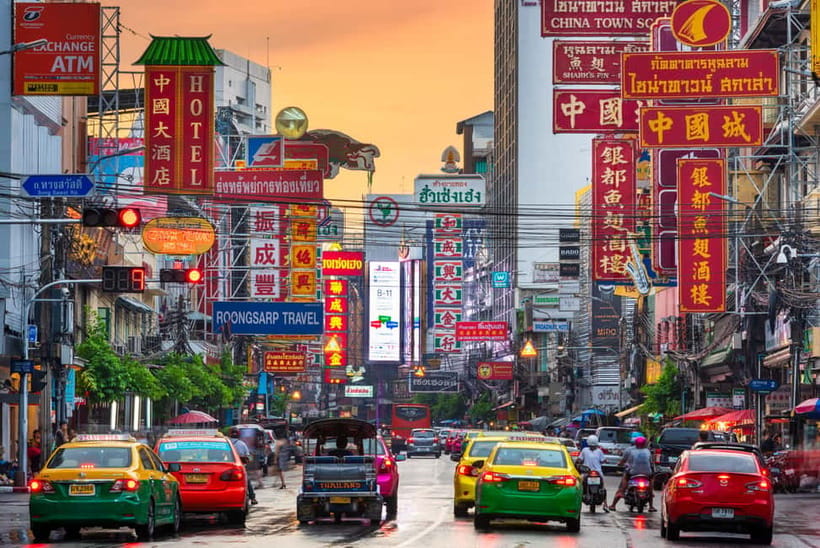
The day starts at MRT Wat Mangkon Exit 3, and that matters more than it sounds. It’s a practical launch point that helps you slip into Yaowarat without losing time to transit confusion or guessing where the “real” streets are.
From the start, you’re in a neighborhood where small turns change everything. Main roads feel like the headline, but the side lanes are the story. You’ll be moving at a comfortable walking pace, with enough scheduled photo stops that you can capture the places your guide is pointing out, not just whatever looks pretty from the sidewalk.
One thing to expect is density. Chinatown streets can be crowded, and you’ll be shoulder-to-shoulder at times near markets and temple compounds. The flip side is that this is exactly why the guided format works, because your guide can help you prioritize what to notice.
Wat Mangkon Kamalawat: incense, shrines, and Chinese spiritual life
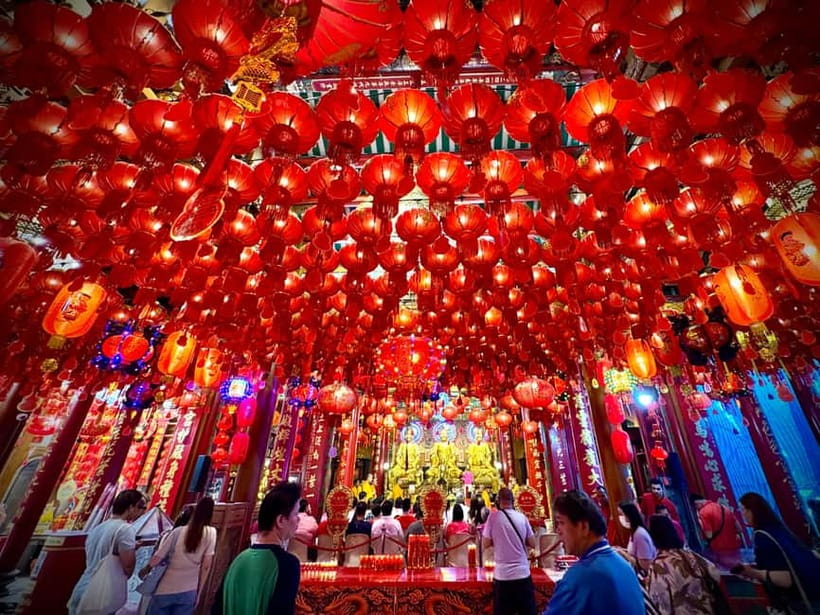
A highlight early on is Wat Mangkon Kamalawat, described as a hub of Chinese spiritual life. This is where the tour’s theme becomes clear: Chinatown here isn’t just commerce and street food, it’s also belief systems, rituals, and community identity.
When you enter a temple area, it’s easy to treat it like a photo stop and move on. The tour format nudges you to slow down a bit, with your guide sharing context so the shrines and symbols start to make sense. You’re not only looking at buildings, you’re learning how Chinese spiritual practices took root in Bangkok’s trading community.
Practical note: temples are active places, so you’ll want light clothing that covers comfortably, and you’ll want to keep your posture respectful when you’re lingering near altars or shrines. If you’re sensitive to incense smoke, bring a hat and keep your breathing relaxed, because the air can be fragrant and strong depending on the moment.
Morning market streets: street food atmosphere, incense, and what to pay attention to
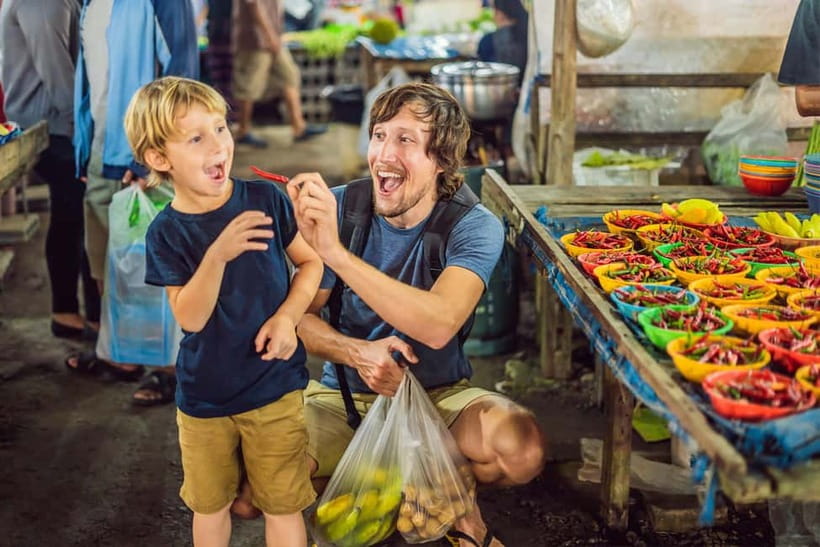
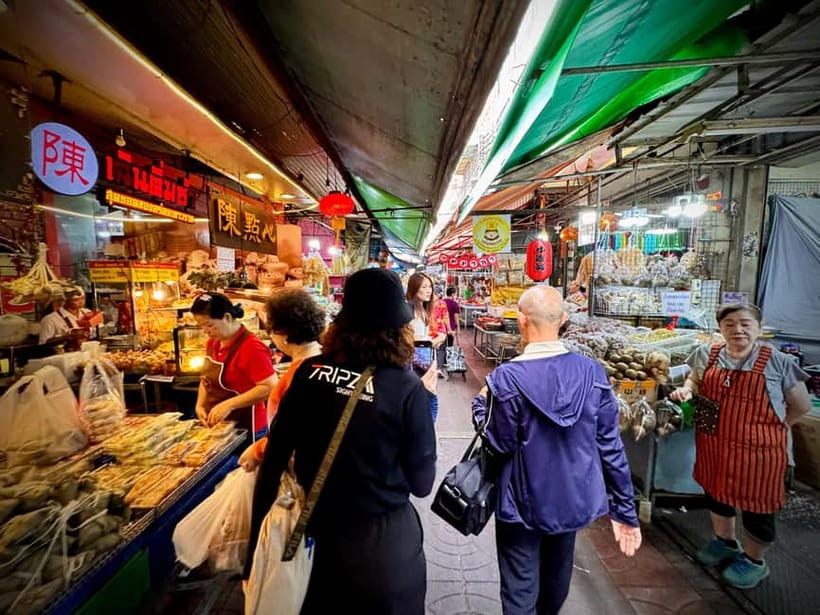
After the temple, the walk transitions into a lively morning market scene. This is the part where Yaowarat stops feeling like a district and starts feeling like a living routine.
Even if you do not plan to order every snack, you’ll still benefit from what’s going on around you. You’ll see incense, hear the rhythm of vendors setting up, and notice how families and workers move through narrow aisles. It’s not just “things to look at,” it’s street-level culture in motion.
Your guide’s job is to point out patterns, not just landmarks. That’s why tours like this are more satisfying than wandering alone. You’ll get a sense of which sights connect to the neighborhood’s Chinese heritage, and you’ll also learn how commerce shaped everyday life.
The one consideration here is heat and smell. Bangkok mornings can feel warm even before noon, and markets come with food scents. Plan to hydrate, and don’t pack your patience too tightly. If you’re traveling with kids or you’re slow by nature, you’ll still do well because the tour includes scheduled pauses and photo timing, not nonstop hustle.
Tian Fah Foundation Hospital and Wat Traimit’s Golden Buddha story
Two of the tour’s most meaningful “context stops” are Tian Fah Foundation Hospital and Wat Traimit, where the tour highlights the Golden Buddha.
Tian Fah Foundation Hospital stands out because it’s about charity and community support. In a place like Chinatown, where commerce and migration shaped everything, you often see religious life and business life tightly linked. A charitable institution adds another layer: the neighborhood wasn’t only trading goods, it was organizing care for people too.
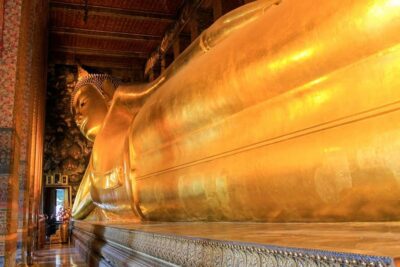
Then you move to Wat Traimit, where the story centers on the Golden Buddha. Even if you’ve heard of it before, having a guide connect the object to the broader neighborhood narrative makes the visit more than a quick wow moment. The Golden Buddha becomes part of the larger theme: how beliefs, art, and history travel and transform over time.
Practical tip: plan your photo mindset here. At temple compounds, the most interesting angles can be from slightly off-center, but you need to avoid blocking people or interfering with worship. If you want good shots, pause when your guide indicates the best moment and then step aside.
Thai walking routes sat in the same notebook

Wat Pathum Khongkha: a royal-quiet break before Talad Noi’s metal-craft lanes
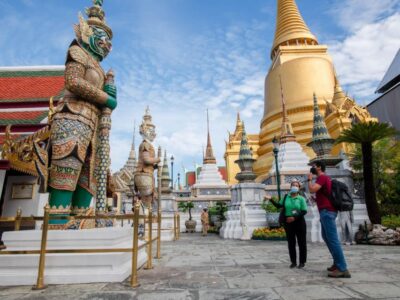
Before you hit Talad Noi’s ironworks alleys, the tour includes Wat Pathum Khongkha, described as peaceful and royal. This stop works like a breather. You’re still in Bangkok’s spiritual world, but the feel is calmer than the market-heavy sections.
That contrast is useful if you tend to get temple-fatigue. A guided tour that includes one quieter temple gives your eyes time to reset and helps you absorb what you saw earlier. You also get a change of pace physically, which matters on a 4-hour walking tour.
If you’re chasing photos, this is a good moment to slow down and frame architecture rather than chasing street-level details. Just keep an eye on the timing, because the tour needs to flow toward Talad Noi’s street art and community museum segment.
Talad Noi ironworks alleys: where craft history becomes street-level atmosphere
Talad Noi is where the tour becomes more tactile. The route takes you through historic ironworks alleys tied to skilled Chinese craftsmen who once forged metal tools. Instead of treating Talad Noi like a modern art district, the walk connects the street layout to craft work and to how immigration and business shaped local skills.
This is also one of the “look closely” areas. You might see old structures that feel like background at first, but with context they become part of the story. Your guide’s narrative helps you understand why these alleys matter, not just that they exist.
You’ll want comfortable shoes for this stretch, because narrow lanes and uneven sidewalks can make the walking feel more intense than the distance alone suggests. If you’re the kind of person who likes to drift off for extra photos, keep it in check here. Staying with the group saves time, and you’ll still get chances to stop.
Talad Noi Community Museum and hidden shrines between old buildings
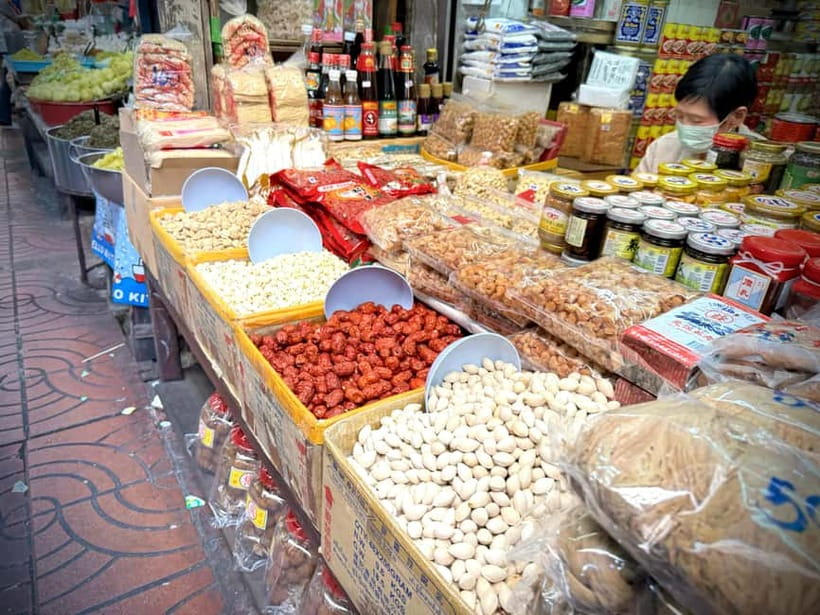
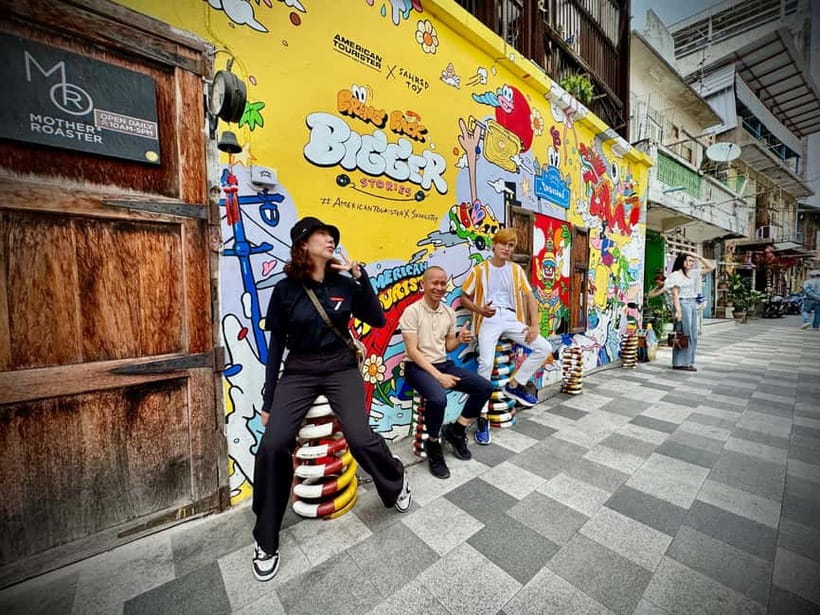
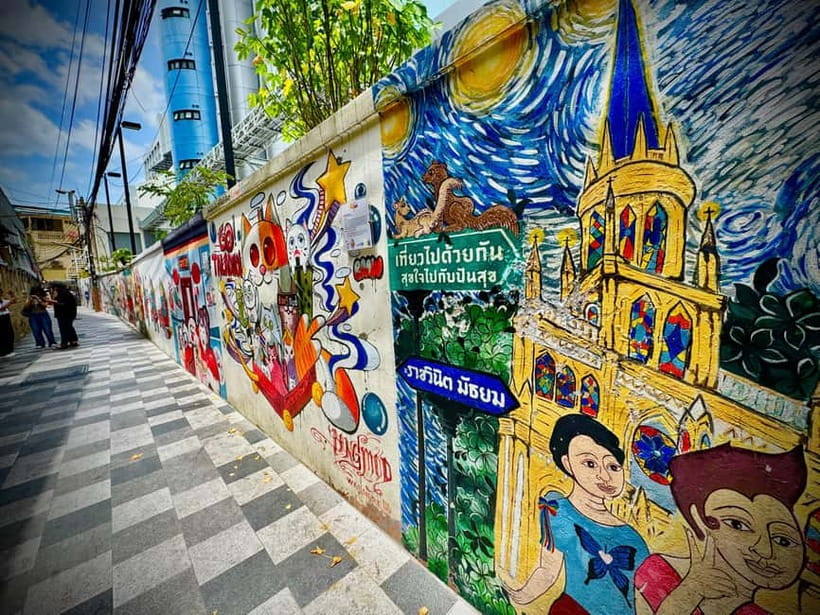
Inside Talad Noi Community Museum, you get a break from the street pace without losing the theme. This stop connects the neighborhood’s past to what you see now, especially through colorful street art and local storytelling.
The museum also helps you read Talad Noi with your eyes open. Street art can look like decoration at first glance. With a guide’s background, it starts to feel like commentary, memory, and community identity. That’s the value of doing art in context, even if you’re not the type to read every sign.
Along the way, you’ll also pass hidden shrines tucked between old buildings. These are exactly the kinds of details that slow down an unassisted walk. A guide helps you spot them and explains why they’re there, which turns “small things” into part of the bigger cultural map.
The tour includes some free time here, so you can linger at the museum, take photos of street art, or simply pause and watch the area without feeling rushed.
River City Bangkok finish: a clean way to turn this walk into a full day
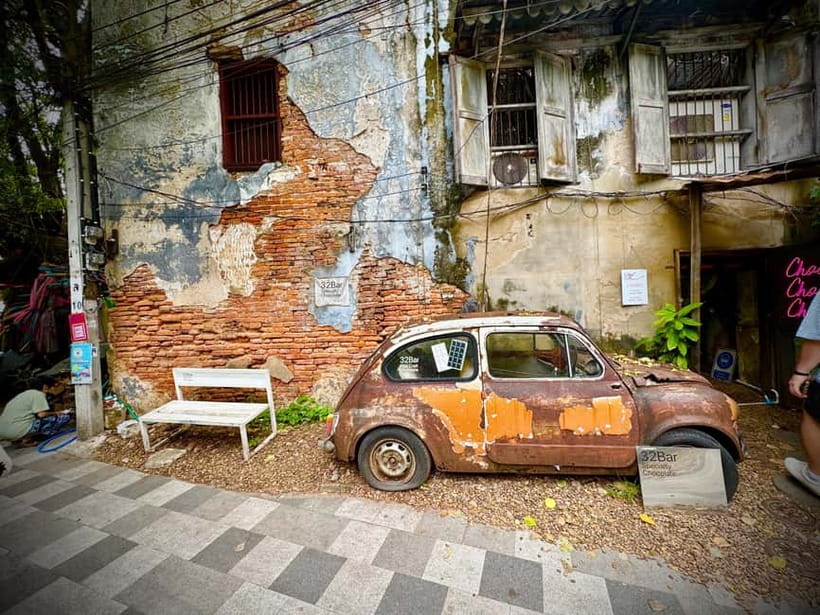
At the end, you’re dropped at River City Bangkok, right on the Chao Phraya River. This is a smart finish point because it gives you choices without forcing you to immediately re-enter the densest part of Chinatown.
From here, you can continue with lunch options, or take advantage of riverside views, including the possibility of a scenic boat ride. Even if you don’t take a boat, the riverfront is a good reset after hours of walking streets and temple compounds.
Timing-wise, the finish is long enough after the morning market segment that you’ll likely feel ready to eat or cool down, but not so late that your day disappears. It’s a “wrap and extend” finish, which I like because it keeps the tour from swallowing your entire itinerary.
Price and practical value for a 4-hour Chinatown and street art walk
At $19 per person for 4 hours, this tour is priced like a value play, especially because it includes a fully licensed English-speaking guide and a bottle of water. The “real” cost here is not just money, it’s attention and walking time, and the guide helps you spend that time well.
Without guidance, you could absolutely wander Chinatown on your own. But you might miss two key things this tour is built around: (1) the Thai-Chinese heritage explanations that connect sites to community identity, and (2) the craft and community art angle that makes Talad Noi feel more meaningful than just a photo background.
If you prefer structured time, this price makes sense because you’re getting multiple types of stops: temples, a charitable institution, a major Buddha highlight, quieter royal calm, and then ironworks and street art. It’s not one note.
If you’re traveling with a tight schedule, a 4-hour format is also a realistic chunk. You’re not signing up for an all-day grind, but you still cover enough ground to feel like you saw more than the headline sights.
Who this tour suits, and who should skip it
This walk is a strong fit if you like cultural context while you’re on your feet. It’s also a good match if you want someone local to help you navigate Chinatown’s maze of streets, markets, and shrines.
Past guests repeatedly praised guides for clarity and friendliness, including names like Jenny, Nok, Mai, Mariyah, Ploy, Jib, and Toto. Many comments focus on how the guide explains the culture clearly and stays attentive, including customization for preferences in at least some cases. That matters because it can turn a standard route into something that matches your pace.
It’s not suitable for pregnant women and wheelchair users, and that’s not just a box-check. The route involves walking and narrow areas, and you’ll be outside enough that sun and heat can add up.
Should you book this Chinatown & Talad Noi guided walking tour?
Yes, if you want a Chinatown experience that feels guided, not just photographed. This is the kind of 4-hour walk that pays off when you care about connections, not only sights: why the temples matter here, how charitable institutions fit the neighborhood story, and how Talad Noi’s street art links back to craft history and community identity.
Skip it if you need minimal walking time or you’re sensitive to crowded market environments and warm outdoor conditions. Also skip if you want a tour that includes meals, because meals are not included, and you’ll be taking breaks and free time without a guaranteed sit-down lunch inside the tour.
If you’re choosing between “wandering alone” and “having someone stitch the area together,” this one leans toward the stitch. Start at MRT Wat Mangkon Exit 3, wear comfortable shoes, bring sunscreen and water, and end by the river with a clear next step for your afternoon.
FAQ
Where is the meeting point?
Meet your tour guide at MRT Wat Mangkon Exit 3.
How long is the tour?
The tour lasts 4 hours.
What does the tour price include?
The tour includes a fully licensed English-speaking guide and a bottle of water.
Is pickup available?
Pickup is optional. If you choose pickup, you should be ready and wait in the hotel lobby at least 5 minutes before your scheduled pick-up time. The guide will pick you up and hold a sign with your name on it.
What should I bring or wear?
Wear comfortable shoes and light clothing. Bring a hat and sunscreen, and carry a water bottle to stay hydrated.
Is the tour suitable for wheelchair users or pregnant women?
No. The tour is not suitable for wheelchair users, and it is not suitable for pregnant women.
What are the cancellation and payment options?
You can cancel up to 24 hours in advance for a full refund. There is also a reserve now and pay later option, so you can book and pay nothing today.
Guided Thai outings, continued
What else made it into the Thailand notebook
Yaowarat after dark, plate by plate
What else made it into the Bangkok notebook
- Mahanakhon SkyWalk Entry Ticket
★ 4.3 · 20 reviews - Bangkok: Nimitr Rooftop by 137 Pillars
★ 4.8 · 20 reviews - Bangkok: Cook authentic Thai food with Smart Cook
★ 5.0 · 20 reviews - Bangkok: Travstore Original Bangkok Discovery Tour
★ 4.5 · 20 reviews - Bangkok: Chao Phraya Princess Dinner Cruise & Hotel Transfer
★ 4.2 · 20 reviews - 1 Hr Private Bangkok Canal Boat Tour: Traditional Flat Boat
★ 4.5 · 20 reviews
Bangkok Chinatown Food Walks, compared.
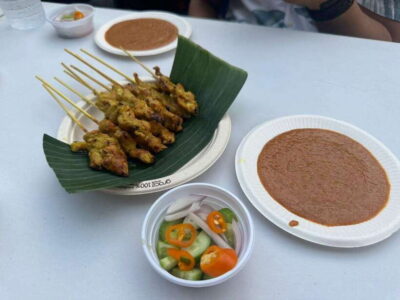 ★ 4.9Bangkok Authentic Tasting Thai-Chinatown Walking Food TourFrom $43852 reviews
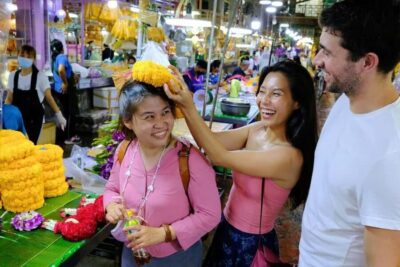 ★ 4.3Tuk Tuk Adventure Chinatown Michelin Food & TemplesFrom $18725 reviews
 ★ 5.0Bangkok by Night Food Tour with 10+ Tastings in ChinatownFrom $46545 reviews
 ★ 4.6Bangkok Tuk-Tuk by Night with Chinatown Street Food MealFrom $40263 reviews
 ★ 4.8Chinatown Food Tour with Michelin Food StallsFrom $36226 reviews
 ★ 5.0Bangkok Night Michelin Foodie Tour in Chinatown with 15+ tastingsFrom $56189 reviews
 ★ 5.0Night Street Food Tour of Bangkok’s ChinatownFrom $58173 reviews
 ★ 4.2Discover a Taste of Chinatown – 2 Hr Walking TourFrom $64152 reviews
Browse the lists this tour appears in