
REVIEW · THAILAND
Your Introduction to the Thai Kitchen
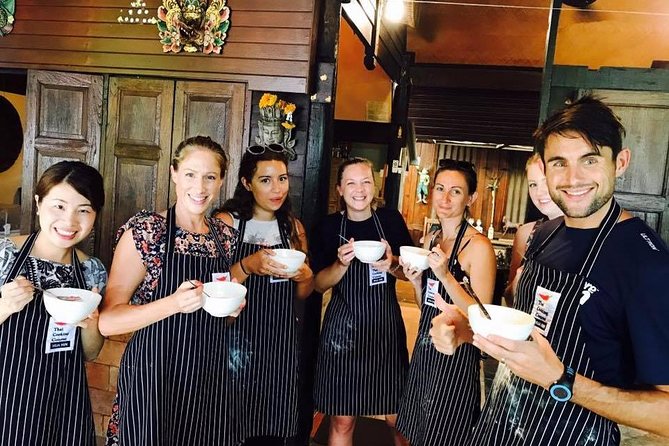
A Thai cooking class in Hua Hin starts with your nose and hands. I love the way the morning market teaches you what Thai cooking actually depends on, and then you turn those ingredients into food you can repeat at home. My other favorite part was the teaching style, with the guide and instructor asking you to call her Ooh La La and making the whole process feel organized, not intimidating. One drawback to consider is that the market stop can be fishy and busy, so closed shoes are not optional if you want a comfy day.
This is a 4-hour, small-group experience (max 15) priced at $61.96 per person, and it feels like good value because it includes lunch, snacks, coffee or tea, bottled water, and a recipe booklet. You also get pickup and drop-off within Hua Hin Town, which makes it easy to fit in without planning a whole half-day logistics puzzle.
In This Review
- Quick hits before you go
- Chatchai Market: where your Thai spice education begins
- The open-air ride to the school, and what “small-group” really means
- What you cook in Hua Hin: green curry, tom yum, pad Thai, and coconut dessert
- Green curry
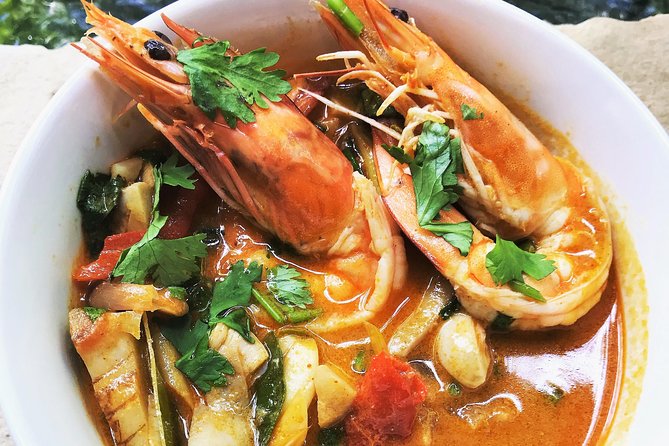
- Tom yum soup
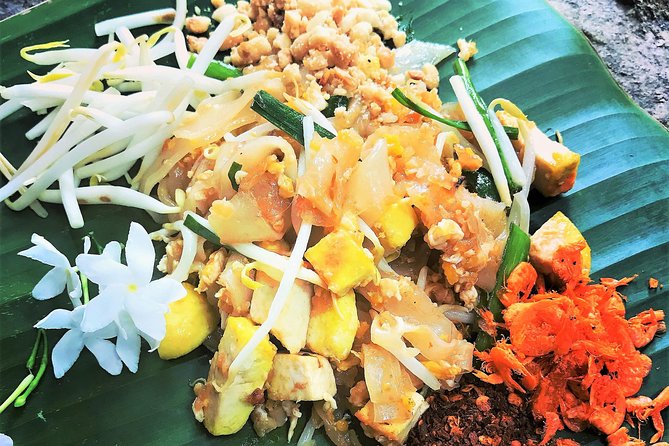
- Pad Thai
- Coconut cream dessert
- How the class runs: prep stations, teacher support, and step-by-step flow
- Value check: why $61.96 feels fair for what you get
- Practical tips that make the morning smoother
- Who should book this Thai Kitchen experience
- Should you book the Thai Cooking Course Hua Hin?
- FAQ
- What time does the Thai Cooking Course Hua Hin start, and how long is it?
- Where do I meet for the tour?
- Does the tour include pickup and drop-off?
- What dishes will I learn to make?
- What’s included in the price?
- Is alcohol included?
- Can I cancel for a full refund?
Quick hits before you go
- Chatchai Market + shopping with your instructor, so you learn what ingredients are and why they matter
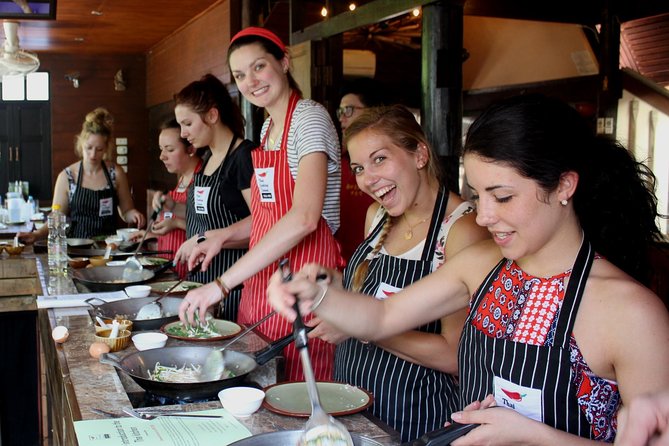
- Hands-on cooking at your own station, not just watching
- A clear menu: green curry, tom yum soup, pad Thai, and a coconut cream dessert
- Real-time support, with a reported ratio of about one chef to six students
- Downtime between steps with tea and a chance to relax around a koi pond
- Small group size (15 max), which helps you get answers while you cook
Narrowing it down? Here is what else got written up around Hua Hin.
- Bicycle Tour – Dolphin Bay and Khao Khalok Tour★ 5.0 · 215 reviews
- Your Introduction to the Thai Kitchen★ 5.0 · 192 reviews
- Sam Roi Yod National Park & Praya Nakhon Cave Join Group Tour★ 5.0 · 107 reviews
- Rescue P.A.W.S. Day Visit★ 5.0 · 95 reviews
Chatchai Market: where your Thai spice education begins
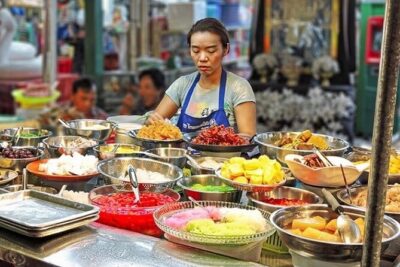
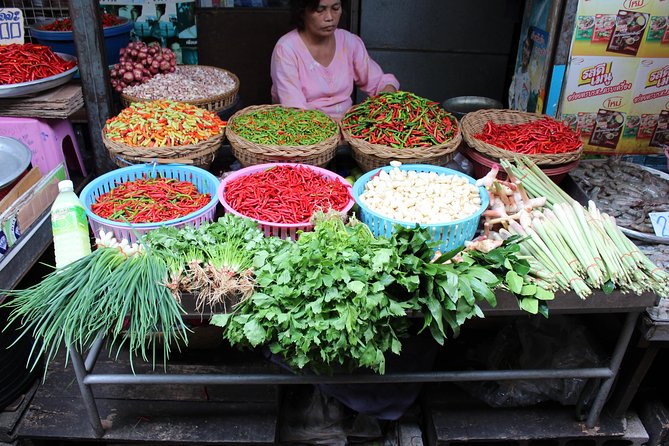
Your day kicks off at the 100-year-old Chatchai Market in Hua Hin town. Expect a mix of colors, scents, and vendors doing everyday business, not a staged tourist walk. This matters because Thai food is ingredient-driven. When you see how things look and smell in real life, you stop memorizing recipes and start understanding flavors.
I like the way the market portion builds your confidence fast. You don’t just hear about spices and herbs, you get chances to taste, smell, and even touch different ingredients. That sensory prep becomes useful later when you’re deciding what to add and when, especially for dishes like tom yum soup where balance is everything.
One practical note: there’s a fish market element, and that can mean slick surfaces and strong odors. Put on closed shoes and you’ll avoid the “why did I do this in sandals?” regret. If you’re the type who gets overwhelmed by crowds, aim to keep your pace steady and trust the guide to keep you moving.
The open-air ride to the school, and what “small-group” really means
After the market, you travel to the Thai cooking school. The transfer is done in an open-air pickup truck, so yes, you’ll feel the morning air. It’s a simple ride, but it’s also part of the vibe, like you’re going from shopping street to kitchen studio in one smooth jump.
The class itself is built for a group that stays under control. With up to 15 travelers, you’re not stuck waiting your turn while the instructor handles everyone else’s questions. This is a big deal because you’re actively cooking, slicing, and stirring, not just collecting photos.
A couple of details from the experience really stand out here. One is the reported setup where items are kept “ready enough” so you spend your time doing real prep and cooking, not wasting the whole morning turning onions into a science project. Another is the teacher-to-student feel, where people described a ratio around one chef to six students. That kind of support helps if you’re a first-timer and want clear, step-by-step guidance.
What you cook in Hua Hin: green curry, tom yum, pad Thai, and coconut dessert
Most Thai cooking classes teach dishes, but this one teaches you how the dishes work. Your hands-on menu is built around the big flavor families you’ll keep running into in Thai kitchens: curry aromatics, sour-spicy soup balance, tangy-sweet stir-fry seasoning, and cooling coconut sweetness.
Green curry
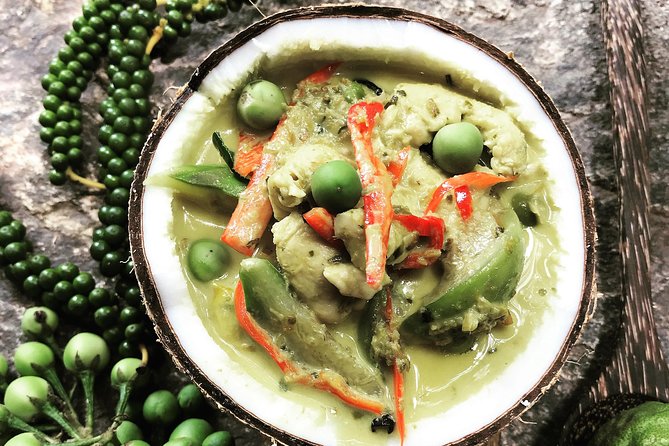
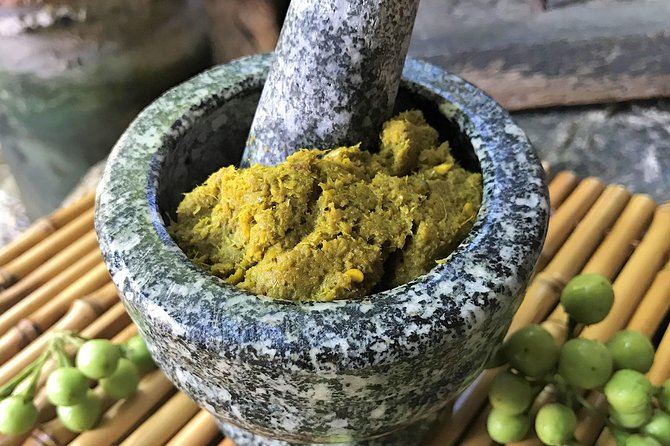
Green curry is all about aroma and timing. You’ll learn how Thai curry flavor starts with spice and paste style ingredients, then turns into something rich once you cook it. The class format makes this approachable because you’re not thrown into chaos. You’re guided through prep, then you cook with the ingredients you selected earlier at the market.



Tom yum soup
Tom yum gets you practicing the Thai skill of balance, not just heat. In your class session, you’ll move from ingredient prep to cooking in a way that shows how sour, spicy, and savory notes get layered. This is a great dish for food lovers because it shows how Thai flavor can feel complex without being complicated.
Pad Thai
Pad Thai is the dish people think they know, until they learn what’s actually in the seasoning and how it comes together. You’ll get to stir and cook, and you’ll understand how the flavors hit together. It’s also a confidence booster, because pad Thai rewards attentive stirring and correct timing.
Coconut cream dessert
Your sweet finish is a coconut cream dessert that gives you a creamy, cooling landing after the savory dishes. Coconut sweetness is one of those Thai traits that balances spicier courses. If you enjoy Thai desserts, this is a strong closer because it’s directly tied to ingredients you can picture from the market.
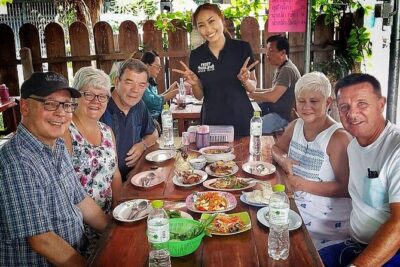
And yes, you eat what you cook. People describe the portions as satisfying, and it’s the kind of meal where you’ll feel like you spent real time learning. One helpful tip: if you’re able, don’t show up hungry and then immediately try to be healthy. One comment said not to eat before you go, and that advice makes sense when lunch is part of the plan.
How the class runs: prep stations, teacher support, and step-by-step flow
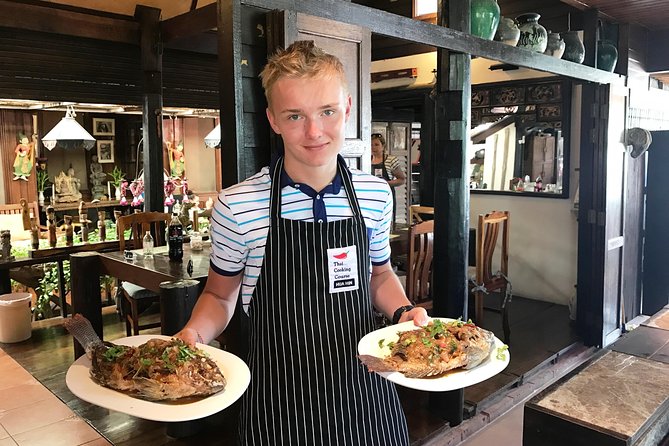
Once you’re at the school, the day shifts into structured cooking. The studio setup is described as clean and well designed, with organized stations so you can work without constantly waiting for tools or ingredients. You’re not just watching someone else cook, you’re doing the slicing, prep, and cooking yourself.
What I’d call the best part of the format is the “just ready” prep approach. Based on the way the experience is described, some components are prepared enough that you can focus on the hands-on steps. Then the teacher models the technique, and you follow along at your station. This keeps the class moving, while still giving you a real learning curve.
During downtime, you’re not stuck sitting silently. You can sip tea or relax around a koi pond, depending on how the schedule lands that day. That pause is useful because you’re not exhausted by constant cooking. It’s a good rhythm for a morning class.
The teaching staff also earns big praise. People specifically mention a guide who asked to be called Ooh La La, plus teachers including Bo, and an owner named Greg who shared about the business. If you value explanations with personality, this team approach is a win, because it turns instructions into something you remember.
Value check: why $61.96 feels fair for what you get
At $61.96 per person, this class works out well if you compare it to the typical cost of a cooking class, a market tour, and a full meal, all bundled together. Here’s what you’re paying for in practical terms.
You get pickup and drop-off within Hua Hin town, so you’re not spending your afternoon trying to figure out transportation. You also get bottled water, coffee and/or tea, plus lunch and snacks, which means you’re not scrambling for food after the market. On top of that, you receive a recipe booklet and a certificate of completion, so you leave with more than just a happy stomach.
There’s also a “learn by doing” factor you shouldn’t ignore. When the class is structured so you cook each dish yourself and then sit down to eat, that time has real value. A cooking class that feels like a demo will cost about the same, but it won’t give you the same result at home.
One small consideration: alcoholic and soft drinks are not included, though they can be purchased. If you want a beer or soda with lunch, plan on paying extra.
Practical tips that make the morning smoother
Here are the things I’d actually plan around, based on how the experience is described.
Wear closed shoes. The market includes areas that can be wet or involve fish, and closed shoes help you stay comfortable and steady.
Go with an appetite. With lunch included and multiple dishes to cook, you’ll likely want to arrive ready to eat what you make. One note even suggests not eating before you go, because the meal is substantial.
Ask questions while you cook. With a small group and strong teacher support, you can troubleshoot as you go. If you’re wondering what a paste should smell like or how a soup should taste before serving, now is the time.
Bring your curiosity for ingredients. The value of the market portion is learning what Thai cooks look for. When you shop with the instructor at the 100-year-old market, you’ll learn how to identify key ingredients, not just what names to memorize.
Who should book this Thai Kitchen experience
This tour is a strong match for foodies, people who want to understand Thai spices instead of only collecting recipes, and anyone who likes a structured morning plan. It’s also a good fit for groups because the class is small and hands-on, and people have described it as fun for families too, including situations with multiple family members cooking together.
If you enjoy marketplaces, you’ll appreciate the way the day starts in a local shopping environment, watching everyday routines while learning ingredients. If you dislike busy crowds or have low tolerance for fish market smells, you may find this part stressful, so consider that before booking.
Also, if you want a cooking class where you leave with a clear sense of how to recreate dishes, the recipe booklet plus hands-on prep makes this feel more “repeatable” than many short cooking demos.
Should you book the Thai Cooking Course Hua Hin?
If you like the idea of pairing a Chatchai Market ingredient walk with a hands-on 4-dish cooking class, I think this is an easy yes. The ratings are extremely high, and the feedback points to the same themes again and again: the market portion is informative, the teaching is organized with a good ratio, and the dishes come out excellent.
The deal is especially attractive because your money covers more than instruction. You’re also getting lunch, snacks, coffee or tea, bottled water, a recipe booklet, and pickup and drop-off within Hua Hin Town. In other words, you’re not just paying to stand near a stove, you’re paying for a full food-focused morning.
My only “pause and think” moment is the market stop. If strong food smells, crowds, or fish market areas would put you off your whole day, that’s the one factor to weigh.
FAQ
What time does the Thai Cooking Course Hua Hin start, and how long is it?
The tour starts at 9:00 am and runs for about 4 hours.
Where do I meet for the tour?
You meet at the Hua Hin Clock Tower (HXC4+7VJ, Hua Hin, Hua Hin District, Prachuap Khiri Khan 77110, Thailand).
Does the tour include pickup and drop-off?
Yes. Pickup and drop-off within Hua Hin town area are included, and the activity ends back at the meeting point.
What dishes will I learn to make?
You’ll learn to prepare traditional Thai dishes such as curry, tom yum soup, pad Thai, and a dessert with coconut cream.
What’s included in the price?
Included items are bottled water, pickup and drop-off within Hua Hin town area, a recipe booklet, a certificate of completion, lunch, snacks, coffee and/or tea, and shopping at Hua Hin’s 100-year-old market.
Is alcohol included?
No. Alcoholic and soft drinks are not included, but they are available to purchase.
Can I cancel for a full refund?
Yes, you can cancel up to 24 hours in advance for a full refund. If you cancel less than 24 hours before the start time, the amount paid is not refunded.
What else made it into the Thailand notebook
What else made it into the Hua Hin notebook
- Your Introduction to the Thai Kitchen – Menu Set 4
★ 5.0 · 24 reviews - Bangkok Suvarnabhumi Airport (BKK) / Don Mueang Airport (DMK) VIP Lounge Access
★ 3.5 · 26 reviews - Historic River Kwai Bridge Full Day Join Tour from Hua Hin
★ 4.5 · 34 reviews - Hua Hin: Vana Nava Sky Bar Rooftop at Holiday Inn
★ 4.7 · 39 reviews - Introduction Thai Kitchen – Menu Set 2
★ 5.0 · 40 reviews - Petchaburi Highlights Khao Luang Cave, Palaces & Temples Group Tour from Hua Hin
★ 5.0 · 42 reviews