
REVIEW · SUKHOTHAI HISTORICAL PARK TOURS
Sukhothai: Historical Park & Countryside Cycling Tour
Sukhothai by bike feels like a smooth day out. You start in Ban Khuai, pedal through quiet villages and rice paddies, then roll into the UNESCO-listed Sukhothai Historical Park with an Experience Guide who turns stone and symbols into something you can actually picture. Two things I love about this setup: the route mixes countryside riding with major temple stops, and the guide work makes the ruins far more understandable.
The other big plus is the “real Thailand” feel that comes from the in-between stops. You might stop at a wood furniture workshop, ride along small irrigation canals like Klong Mae Lampan, and even get chances to interact with local people (and possibly try something like planting next season’s crops). One possible drawback: you are on a bicycle for a full day in heat, so it is not a laid-back sit-and-photo outing.
In This Review
- Key Highlights Worth Marking on Your Map
- Why a 7-Hour Bike Day Works Better Than Walking in Sukhothai
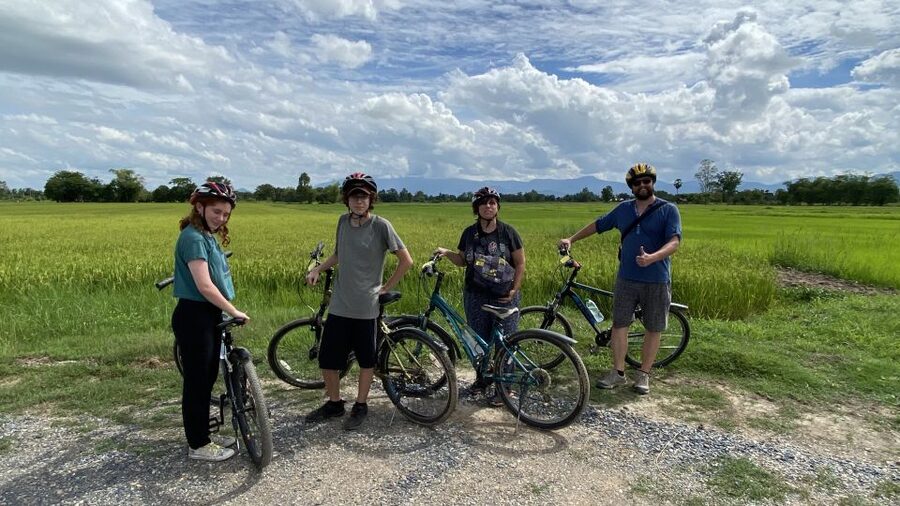
- Ban Khuai Start, Quiet Villages, and Rice-Paddy Dirt Roads
- Irrigation Canals, Wood Furniture, and Rural Details You Might Miss
- Eastern Gate Through UNESCO Ruins, Buddhism, and Temple Craft
- How the Park Visit Is Timed, Plus Your Photo and Rest Breaks
- Lunch at a Local Thai Restaurant, Snacks, and Staying Comfortable
- Bikes, Safety, and Who Should Skip This Ride
- Price and Value: What $53 Includes and Why It Feels Fair
- Should You Book This Sukhothai Cycling Tour?
- FAQ
- How long is the Sukhothai Historical Park and countryside cycling tour?
- What is included in the price?
- Do I get hotel pickup and drop-off?
- What should I bring with me?
- How big is the group?
- Is this tour suitable for everyone?
Key Highlights Worth Marking on Your Map
- Ban Khuai start plus quiet village lanes that feel calm compared to bigger tourist routes
- Dirt-road riding through endless rice paddies with views toward Kao Laung Mountain
- Stops that explain daily life, including Klong Mae Lampan irrigation canals and a wood furniture factory
- Entry through the Eastern Gate, with Buddhism and Hindu influences tied to Sukhothai’s Golden Era
- Included lunch, snacks, drinks, and water, plus refreshers to help you handle the sun
Sukhothai visits sat in the same notebook
- Sukhothai: Full-Day Historical Park Cycling Tour with Lunch★ 4.9 · 55 reviews
- Sukhothai: 2.5-Hours Guided Countryside Sunset Bike Tour★ 5.0 · 49 reviews
- Sukhothai: Half-Day Countryside Bike Tour★ 5.0 · 36 reviews
- Cycling Sukhothai Full Day Countryside Tour★ 4.9 · 26 reviews
Why a 7-Hour Bike Day Works Better Than Walking in Sukhothai
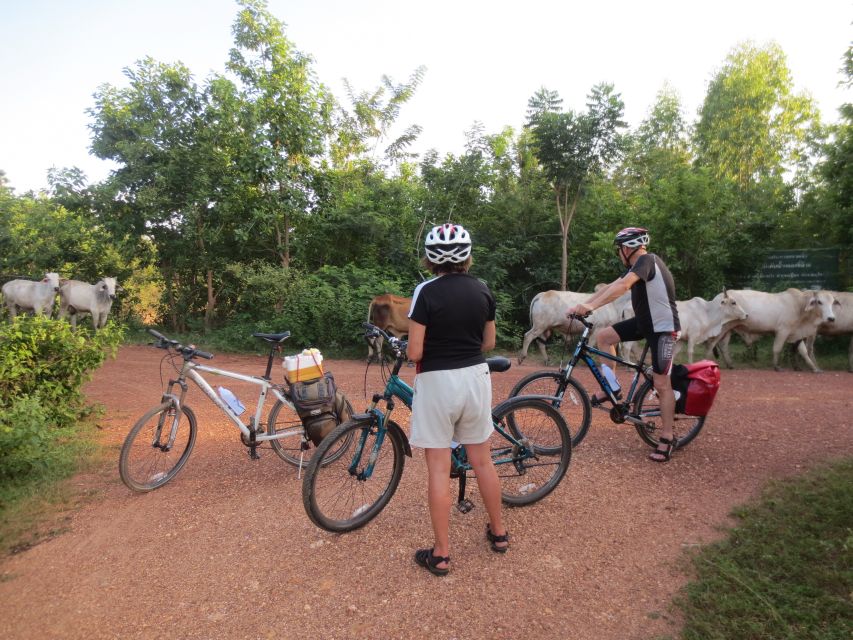
Sukhothai’s Historical Park covers a lot of ground. Cycling is the practical way to see more without wearing yourself out, especially because the ride is designed around a steady rhythm: pedal, stop, talk, pedal again.
I also like that the day is built to give you context, not just landmarks. You do not jump straight from hotel to ruins. Instead, you spend time watching how rural life works, then you connect those patterns back to what you see in the temples.
The other reason this format makes sense is the pace control. It is a small group (up to 12), guided by an English-speaking Experience Guide, and the day runs about 7 hours. That means fewer traffic hassles than renting on your own, and more chances to ask questions when you actually need them.
Ban Khuai Start, Quiet Villages, and Rice-Paddy Dirt Roads
Most tours begin at a pickup point and straight into sightseeing. This one begins with the ride itself, starting from Ban Khuai on the outskirts of Sukhothai. You leave from a small village area, and then you ease into the countryside through roads that stay quiet and slow.
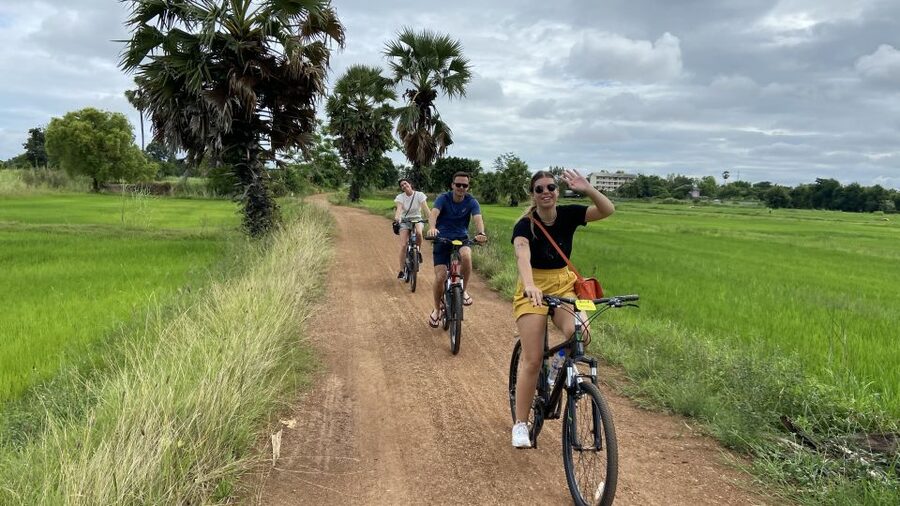
What you get here is the feeling of Sukhothai beyond the ticket gate. You pass through a peaceful village, then you move onto a dirt road that opens out into wide views of rice paddies. This is where the scenery is at its best, especially when the light makes the paddies look layered rather than flat.
A few practical notes you will care about:
- You are cycling on dirt and rural roads, so your shoe choice matters more than you might expect.
- You will likely deal with sun for stretches, so bring your hat and sunscreen even if mornings start mild.
Also, the guide can shape moments that matter. Several riders highlight that their guide helped them interact with locals when possible, and that can turn the ride from sightseeing into a real human day.
Irrigation Canals, Wood Furniture, and Rural Details You Might Miss
After the rice-paddy portion, the route pivots toward the nuts and bolts of daily life. You head toward small irrigation canals, specifically Klong Mae Lampan, where the water system is part of how villages function.
Even if you do not know a thing about Thai agriculture, this section helps you read what you see later. When you understand that irrigation is not just background, temple stories about society, labor, and communities start to connect in your mind.
Then there is the stop at a wood furniture factory. This is a good change of pace from riding because it gives you a craft focus. You can watch how a local carpenter produces furniture, and it is an easy way to see how skill and tradition survive outside the historical park.
One small “maybe” detail to keep in mind: the tour may include an opportunity to participate in something like planting next season’s crops, if conditions allow. Do not count on a hands-on farm role every single day, but it is a real part of the rural-life theme.
Eastern Gate Through UNESCO Ruins, Buddhism, and Temple Craft
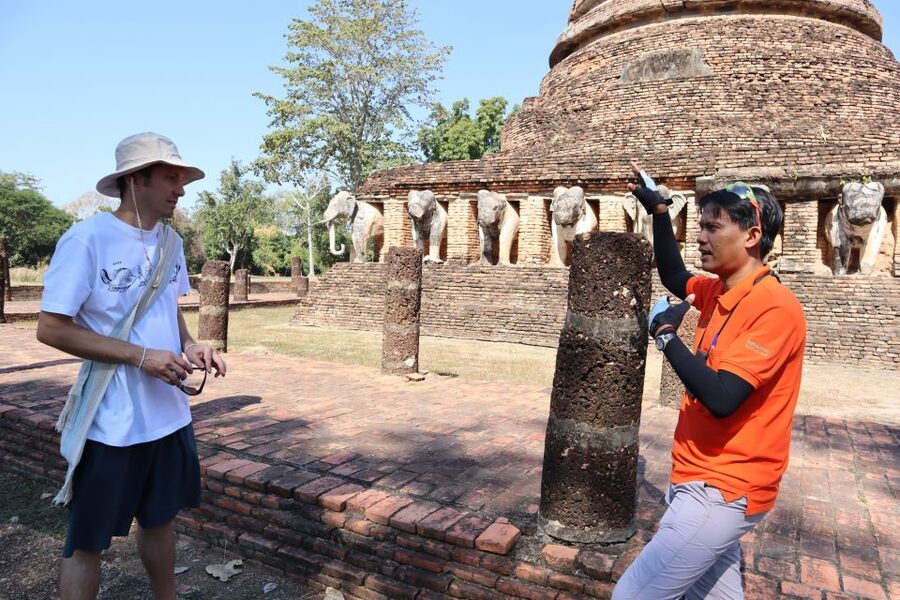
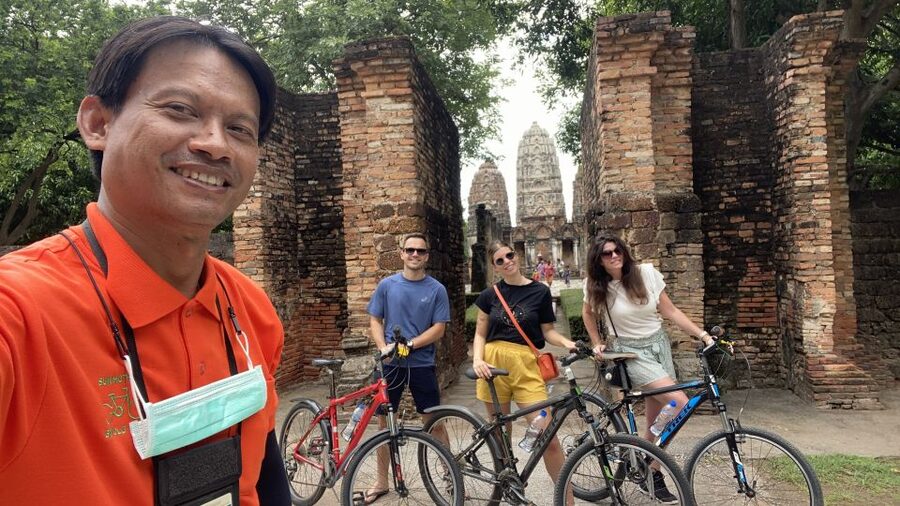
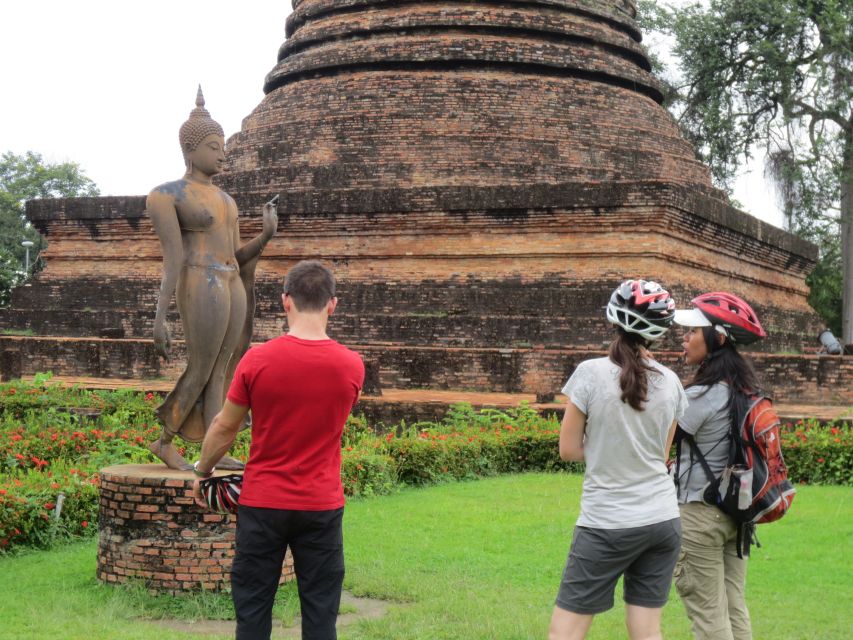
Eventually you arrive at Sukhothai’s Eastern Gate, and the day shifts from rural rhythms to sacred geometry. This is where the architecture starts telling bigger stories, with Buddhist and Hindu influences you can see in the stonework.
The guide’s job here is especially important. Temples can look similar until someone helps you sort what you are looking at. With an Experience Guide, you get explanations about Sukhothai’s history and the complex architecture, plus context about the role of Buddhism in Thailand.
I like how this section is not presented as a one-liner. Riders consistently mention that their guides did more than point and name. They connected temple design to meaning, so the ruins feel less like a checklist and more like a system.
And there is a comfort angle too. You are not just dropped at ruins with a map. You have a trained guide steering you to key spots, and it reduces the chance you end up tired and confused in the heat.
If you have ever visited historical sites and felt you only saw surfaces, this is the antidote. You will still see plenty of stone. You will also understand what those stones were doing for people back then.
How the Park Visit Is Timed, Plus Your Photo and Rest Breaks
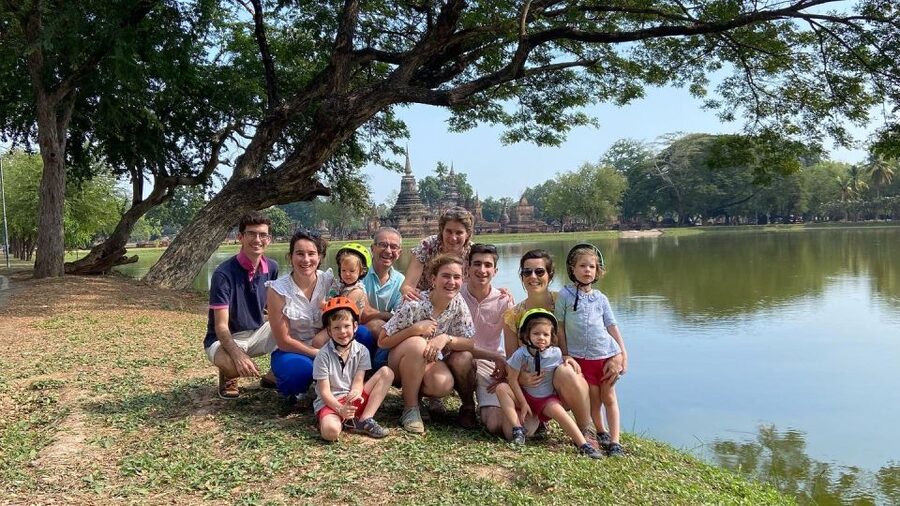
One of the smartest things about a guided cycling day is that it manages energy. The ride breaks up your day so you are not constantly pushing through open sun.
Inside the park, the tour focuses on major temples and ruins, and it also includes time to explore. Many riders talk about having enough room to wander at their own pace, take photos, and actually look instead of racing between photo points.
A good sign here is how people describe the pacing. Even riders around medium fitness ages often mention it felt manageable and not overly strenuous. That matches the style of the day: frequent pauses, guided explanation stops, and a structured return route.
You will also likely visit areas beyond the most famous cluster of temples, including a south-area visit before heading back. That helps you avoid the feeling that you only saw the highlights and missed the texture of the whole park.
The main caution is simple. Even with breaks, it can get really hot. If you skip water or ignore shade, you will pay for it later. The tour’s included drinks and refreshers are there for a reason, and you should use them early rather than waiting until you feel wrecked.
Lunch at a Local Thai Restaurant, Snacks, and Staying Comfortable
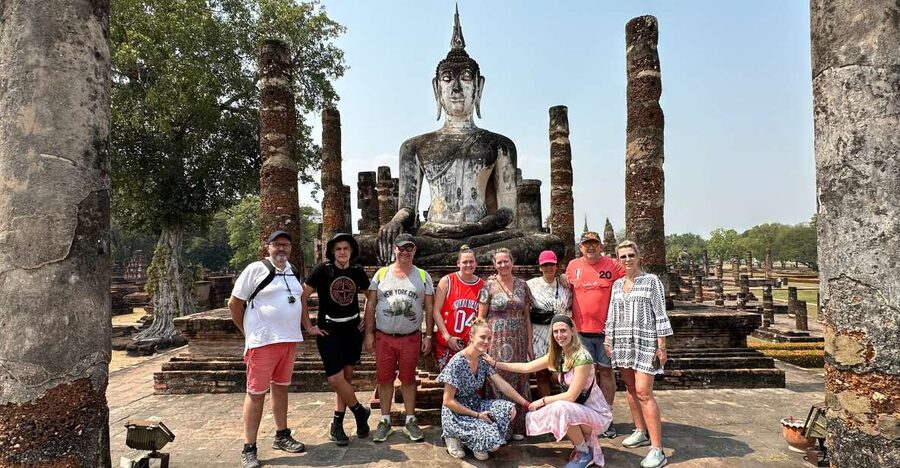
Food is a big part of the value on this tour, not because it is fancy, but because it is local and timed well. Lunch is included at a local Thai restaurant, and riders describe it as consistently tasty, with the meals feeling like a real stop rather than a quick tourist plate.
You also get snacks and soft drinks during the day, plus water. Several riders mention cooling towels and ongoing drink support at breaks. That matters in Sukhothai, where the sun can hit hard.
One detail I really appreciate is that the snack rhythm supports the ride. This is not just water at the beginning and a meal at the end. The tour is set up so you can refuel during the cycling day, which keeps energy steadier and makes the ruins feel more enjoyable rather than draining.
If you care about authentic touches, this is one area that seems to deliver. The tour is described as supporting a local restaurant rather than a scripted tourist stop, and riders specifically call out the quality of the lunch in their feedback.
Bikes, Safety, and Who Should Skip This Ride
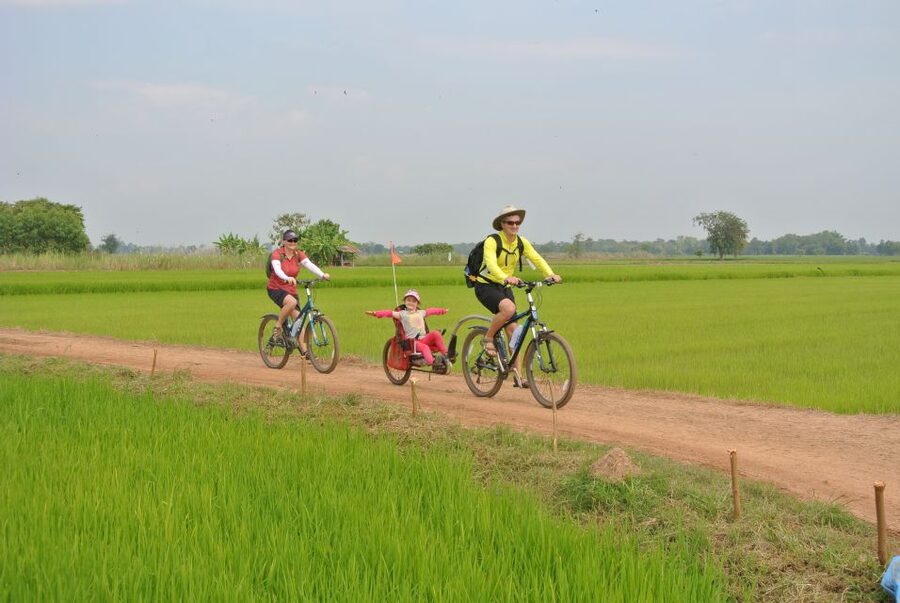
The tour uses a mountain bike with 24 gears, plus a front suspension and a helmet. That gear range is a practical choice for handling any uneven patches or changes in road feel. The suspension helps smooth out dirt sections, and helmets are provided, so you do not have to source one on your own.
Pace is also part of the safety story. Riders repeatedly describe a comfortable, easy-to-follow ride with frequent stops. Even when the roads get rural and narrow, you are not expected to sprint. The guide sets the rhythm, and the group stays together.
Safety support is also mentioned in feedback. Some riders describe extra staff help in front and behind the group, including assistance crossing busier roads. That extra attention is what makes the tour feel “worry-free” in real life, not just in marketing.
Now, who should skip it:
- It is not suitable for pregnant women
- It is not suitable for people with back problems
- It is not suitable for people with mobility impairments
Also, plan like you are riding in real heat. Wear comfortable clothes, use sunscreen, and bring sunglasses and a sun hat. These are not optional on a day that runs about 7 hours.
Price and Value: What $53 Includes and Why It Feels Fair
At about $53 per person for a 7-hour guided bike day, this tour competes well, mainly because the inclusions are practical. You are not paying just for a bike rental.
Here is what is included that drives the value:
- An experienced English-speaking cycling guide
- A mountain bike with 24 gears, front suspension, and helmet
- Entrance fees to Sukhothai Historical Park
- Hotel pickup and drop-off within 15 kilometers of Sukhothai city center
- Lunch, snacks, soft drink, and drinking water
- Local accident insurance
Put simply, this is the kind of deal that stops you from piecing together logistics. If you booked this yourself, you would typically pay for transport, tickets, a guide, bike setup, and meals separately. Here, those pieces are bundled, and the day runs as one coordinated plan.
The “small group” element also matters for value. Up to 12 participants means your guide can actually manage the route, explain details, and keep everyone comfortable without turning into a mass procession.
Should You Book This Sukhothai Cycling Tour?
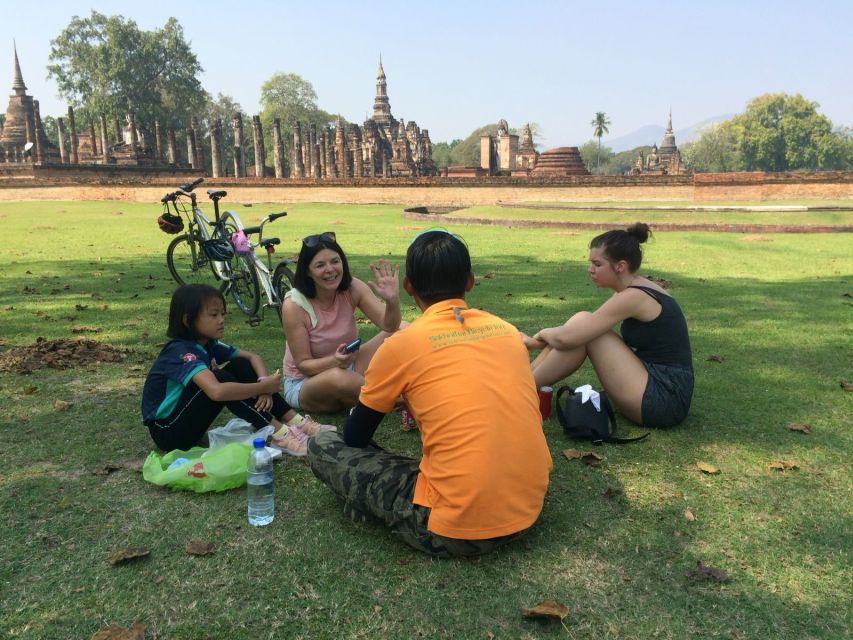
You should book if you want a day that connects rural life to UNESCO ruins, and you want someone local to explain what you are seeing in plain English. This is also a smart call if you like getting out of town, but you do not want to handle navigation, parking, or timing on your own.
I would hesitate if you hate heat and long outdoor time, even with included water and breaks. I would also skip it if your body has issues that make cycling or sustained sitting uncomfortable, since this is not a short stroll.
If your ideal Sukhothai day includes bikes, temples, and a guide who can turn architecture into meaning, this $53, 7-hour small group tour is one of the most sensible ways to spend your time.
FAQ
How long is the Sukhothai Historical Park and countryside cycling tour?
The tour lasts about 7 hours.
What is included in the price?
The price includes an English-speaking cycling guide, a mountain bike with 24 gears, front suspension and a helmet, local accident insurance, entrance fees to Sukhothai Historical Park, and lunch plus snacks, soft drink, and drinking water.
Do I get hotel pickup and drop-off?
Yes, pickup and drop-off are included for hotels within 15 kilometers of Sukhothai city center.
What should I bring with me?
Bring comfortable shoes, sunglasses, a sun hat, and sunscreen, plus comfortable clothes (cycling shoes are preferred).
How big is the group?
The tour is limited to a small group, with a maximum of 12 participants.
Is this tour suitable for everyone?
It is not suitable for pregnant women, people with back problems, or people with mobility impairments.
Guided Thai outings, continued
What else made it into the Thailand notebook
Inside the Sukhothai park, continued
What else made it into the Thani Thailand notebook
- Cycling Sukhothai Full Day Countryside Tour
★ 4.9 · 26 reviews - Sukhothai: Half-Day Countryside Bike Tour
★ 5.0 · 36 reviews - Sukhothai: 2.5-Hours Guided Countryside Sunset Bike Tour
★ 5.0 · 49 reviews - Sukhothai: Full-Day Historical Park Cycling Tour with Lunch
★ 4.9 · 55 reviews
Sukhothai Historical Park Tours, compared.
 ★ 5.0Full Day Cycling tour to Sukhothai Historical ParkFrom $53163 reviews
 ★ 5.0Full Day Sukhothai Historical Park TourFrom $4896 reviews
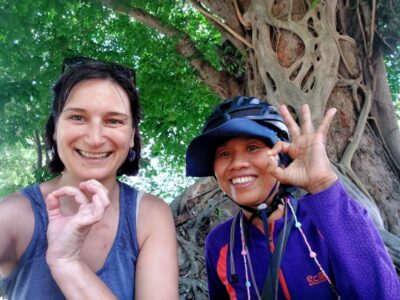 ★ 4.9Sukhothai: Full-Day Historical Park Cycling Tour with LunchFrom $5055 reviews
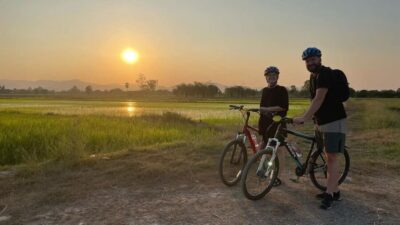 ★ 5.0Sukhothai: 2.5-Hours Guided Countryside Sunset Bike TourFrom $2449 reviews
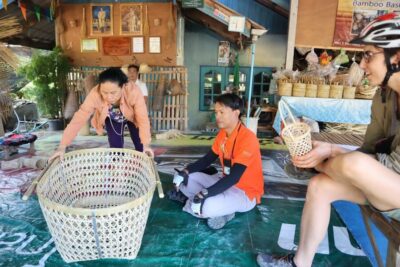 ★ 5.0Sukhothai: Half-Day Countryside Bike TourFrom $3236 reviews
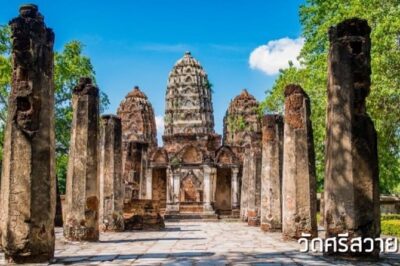 ★ 5.01 Day Sukhothai Historical Park from Chiang Mai Private TourFrom $19429 reviews
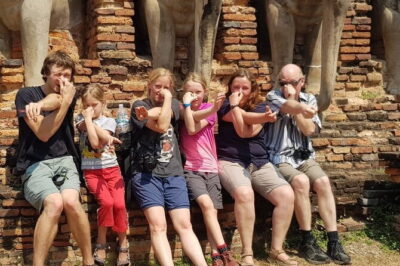 ★ 5.0Full-Day Historical Park and Countryside Tour in SukhothaiFrom $5127 reviews
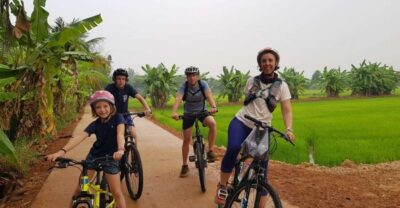 ★ 4.9Cycling Sukhothai Full Day Countryside TourFrom $3826 reviews
Browse the lists this tour appears in