
REVIEW · KOH LANTA ISLAND TRIPS
Snorkel in Koh Lanta, Thailand
Clear water makes Koh Lanta magic. This snorkel day is built for you to see corals and marine life around Koh Lanta without feeling rushed, thanks to a small-group setup and a fast speed boat.
What I like most is simple: snorkeling gear is included, so you just show up ready to float and look. And I also like that you get trained guide support in the water, with help spotting wildlife and learning what you are looking at.
One real consideration: the tour runs only with good weather, and one low-rated account raised safety concerns. If you book, take the pre-snorkel briefing seriously, and make sure your gear fits and your limits are clear to your guide.
In This Review
- Key things to know before you go
- Why Koh Lanta snorkeling feels worth your time
- The day’s flow, from pickup to return
- Stop 1 at Koh Haa Island: a classic place to learn what you are seeing
- Stop 2 at Ko Lanta: a break-in-the-day kind of snorkel
- Stop 3 at Ko Bida Nok: bigger wildlife moments can happen here
- The small-group setup and the comfort factor
- Guides who help you look, not just float
- Food, snacks, and the value of not feeling hungry
- Price and the one extra cost to plan for
- Who this snorkel trip suits best
- Weather and safety: what to watch for, before you get in the water
- Should you book snorkeling in Koh Lanta with this team?
- FAQ
- How long is the snorkeling tour?
- What islands are included in the itinerary?
- Does the tour include snorkeling gear?
- Is lunch and drinks included?
- Are hotel pick-up and drop-off available?
- Is the national park fee included in the price?
- What is the group size limit?
- What is the cancellation policy if weather is poor?
Key things to know before you go
- Gear is included, so you are not hunting rentals or hoping someone has your size.
- Lunch, snacks, soda, and bottled water are part of the day, which makes the trip feel complete.
- Hotel pick-up and drop-off are offered, which cuts the hassle on your Koh Lanta plans.
- Stops include Koh Haa, Ko Lanta, and Ko Bida Nok, so you are not stuck at just one spot.
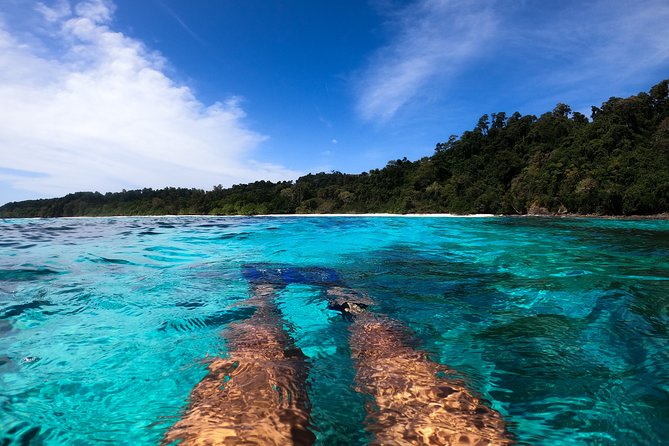
- Max group size is 6 travelers, which usually means more attention and less crowding in the water.
- National park fees are not included, so expect the final total to be a bit higher.
Lanta days also got written up
- Scuba Dive in Koh Lanta, Thailand★ 5.0 · 212 reviews
- Discover Scuba Diving in Koh Lanta, Thailand★ 5.0 · 72 reviews
Why Koh Lanta snorkeling feels worth your time
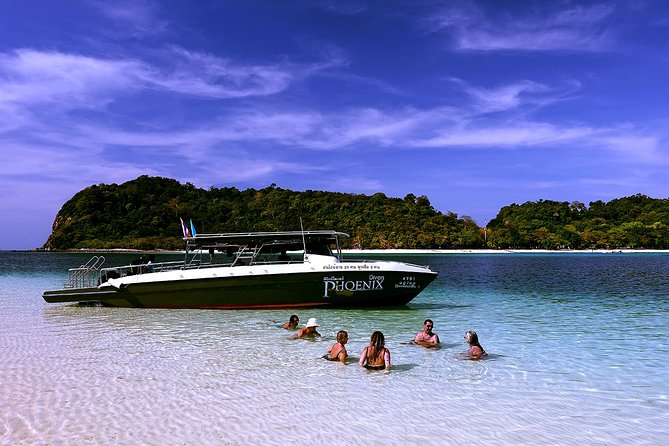
Koh Lanta sits on the Andaman Coast, and that matters. The water is often clear enough that a snorkel can feel like a mini nature documentary, even if you have never done this before. This trip is designed for that sweet spot: you do not need scuba skills, but you still get real guidance so you know what to look for beyond “cool fish.”
I like that the tour is aimed at mixed comfort levels. If you are traveling with kids, first-timers, or people who are nervous, the structure of the day helps. You get a guide, you get time in the water, and you get helped with basic snorkeling confidence so you can actually enjoy the sights.
Another reason it works well is that the company keeps the boat from turning into a floating bus. That is not just a comfort thing. When you are not packed in tightly, you can move more smoothly, listen better to instructions, and spend more energy looking at the sea, not managing gear in a cramped space.
The day’s flow, from pickup to return
This is a one-day trip, and the schedule is built around traveling between snorkeling spots on a comfortable speed boat. You are offered hotel or accommodation pick-up and drop-off, so you are not trying to coordinate taxis on your own.
The basic rhythm is easy to understand:
- You get transported by boat to the snorkeling areas.
- You snorkel, guided and supported.
- You rotate between stops, rather than repeating the same shallow corner.
- You return for the drop-off once the day is done.
Because the tour is structured this way, it tends to feel efficient. You are not spending most of your time sitting on a pier or waiting around. Instead, you spend your energy on the water time that you came for.
One practical note: you should still expect some day-of weather adjustments. This experience requires good weather, and if conditions are unsafe, the plan can change to another date or a refund may be offered. That is normal for sea days in southern Thailand, but it is good to know up front so you can build flexibility into your Koh Lanta schedule.
Stop 1 at Koh Haa Island: a classic place to learn what you are seeing
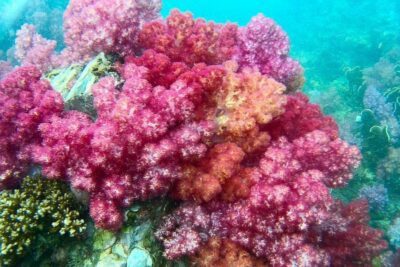
Koh Haa Island is the first stop, and it sets the tone for the whole day. This is where you typically get your easiest “first wins” in the water. Clear visibility is a big part of why people enjoy Koh Haa, because you can spot lots of small marine life and corals without having to chase them down.
What makes this stop valuable is the way it pairs with the guide. Snorkeling is fun, but it is also easy to miss the best parts if you do not know where to look. The trained guide support helps you slow down and notice patterns, like which areas tend to attract fish and how corals fit into the living space.
A speed tip for first-timers: start by floating calm and breathing evenly before you try to swim fast. You will spot more when you are not fighting the water or rushing your movements.
Potential downside to consider: as with any popular snorkeling zone, conditions can change. If the water is choppy, you may spend more time stabilizing than searching. That is still survivable, just manage expectations and listen for guidance right away.
Stop 2 at Ko Lanta: a break-in-the-day kind of snorkel
Ko Lanta is your second stop, and this is often where the trip shifts from “learning snorkeling basics” to “actually enjoying the sea.” By the time you reach this point, you usually have a better rhythm: you know how long you want to float, how you will clear water from your mask, and how your breathing should feel.
I like that the itinerary mixes stops like this. If every stop felt identical, you would lose variety. Instead, you get a second location to keep the day from feeling repetitive. And when your guide is nearby, you can ask questions like what certain fish are doing or what kind of coral structure you are seeing.
Drawback to keep in mind: any stop can feel crowded depending on the day. The tour’s small group size helps a lot here, but the sea around Koh Lanta can still have other boats. If you are the type who wants silence and solitude, go in expecting to share the space, just in a less chaotic way.

Stop 3 at Ko Bida Nok: bigger wildlife moments can happen here
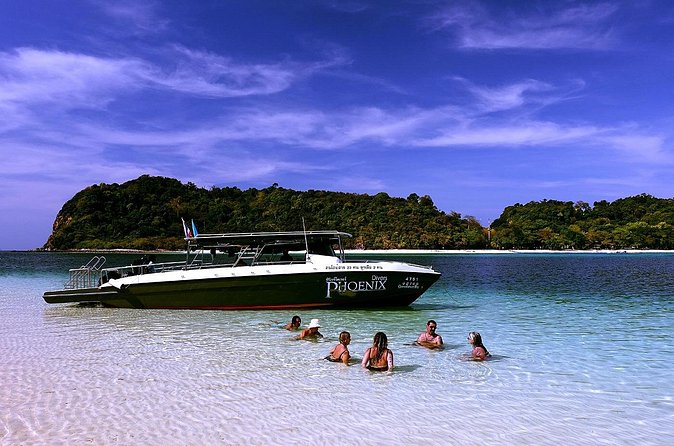
Ko Bida Nok is your final snorkeling stop, and it is the kind of location where people often hope for memorable wildlife encounters. One of the best highlights tied to this trip is seeing a shark and a turtle during the day. You should not book expecting a guaranteed sighting, but it does show the potential for real ocean life beyond the typical fish and coral.
This last stop can also feel more exciting because you have already built confidence. When your body feels comfortable, you tend to look longer and go deeper visually, even if you stay shallow. That is when you start noticing behavior, not just color.
If you get anxious in the water, use the “check-in” strategy:
- Take one slow breath cycle.
- Re-center your attention on one area of coral or a small patch of sea floor.
- Let the fish come to you.
That approach keeps you calm, and it also helps you see more without exhausting yourself too early.
The small-group setup and the comfort factor
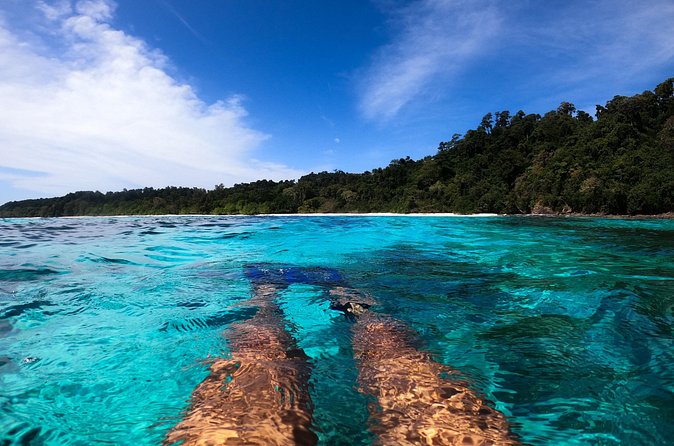
This tour caps groups at a maximum of 6 travelers. In snorkeling, that number matters. It changes how crowded the boat feels, how quickly gear can be checked, and how much personal attention the guide can give you once you are in the water.
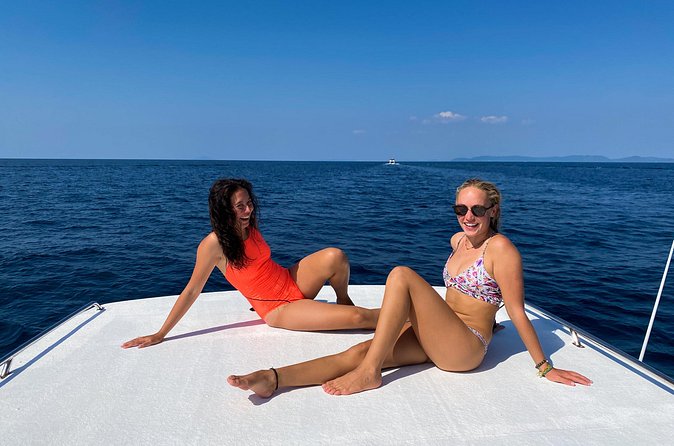
You also get a pickup and a comfortable ride by speed boat. People specifically note that it feels fast and comfortable, and that the boat is not overloaded. In plain terms, that is what you want: less bouncing around on a crowded vessel and more time actually watching the sea.
One more angle: a smaller group often makes it easier for you to keep your gear organized. Snorkeling equipment can get tangled fast, especially if you are still learning how everything fits. When you are not packed in, it is easier to adjust your mask, fix your snorkel, and stay relaxed.
Guides who help you look, not just float
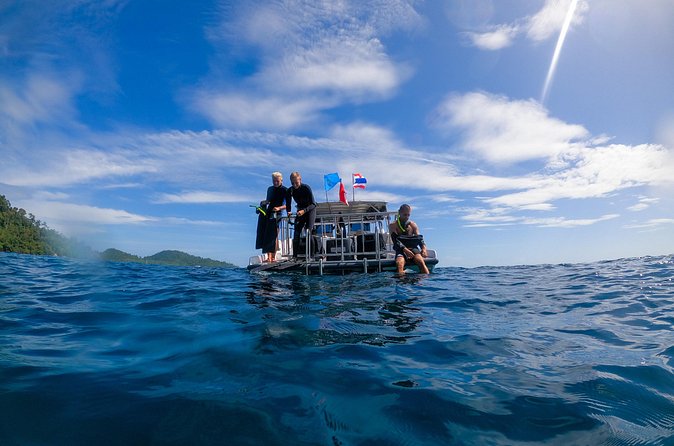
The tour includes trained guide support, and that is the difference between a “see fish” day and a “learn what you are seeing” day. Your guide can help identify marine life and explain habits, not just say look over there.
The names people associate with excellent guidance include Wanda, Pedro, and Reno. Other accounts also highlight a professional style from Phoenix team instructors like Veda and Mark. You do not need to know the names, but I like that they reflect a consistent message: clear guidance, active attention, and a focus on safety and comfort.
If you are new to snorkeling, here is what to do during the briefing:
- Tell the guide if you are a beginner or if you get nervous.
- Ask how to practice breathing and what to do if you feel uncomfortable.
- Confirm how they handle your timing in the water.
Good snorkel days are built on a simple plan. You follow it, you get the best spots, and you do not waste your limited time panicking.
One caveat from the information you are given: there is one low-rated account that mentioned serious safety concerns. I cannot dismiss that. What you can do is take responsibility for your end, too, by listening carefully, using the gear correctly, and letting the guide know immediately if something feels off.
Food, snacks, and the value of not feeling hungry
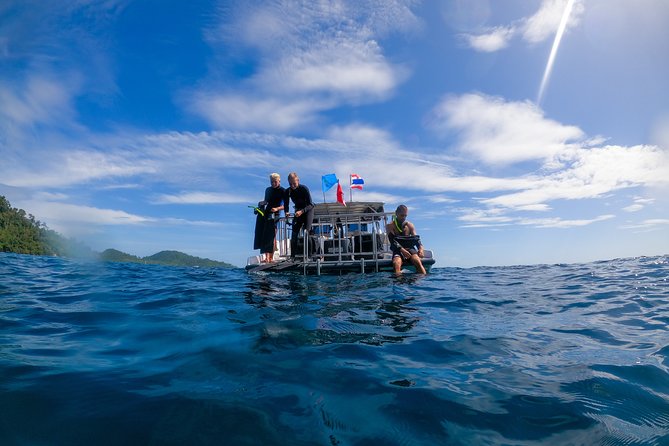
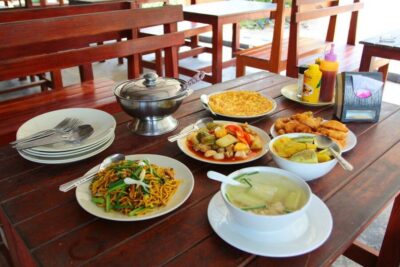
Lunch, snacks, and soda are included, plus bottled water. That might sound like a small perk, but on a sea day it is a big deal. Snorkeling burns energy, and thirst shows up faster when you are in saltwater and sun.
People also praise the day’s food in a straightforward way, calling it great and noting it as part of what made the day feel professionally run. When you do not have to think about meals, you can stay in a relaxed mindset and focus on the water.
Practical advice: still bring a little personal comfort. Sunscreen, a hat, and a small towel can make the time between swims much easier. The tour handles the essentials, but you control your own comfort.
Price and the one extra cost to plan for
The price is listed at $81.47 per person, and for many people that feels reasonable because the trip bundles the big items:
- snorkeling gear included
- lunch, snacks, soda
- bottled water
- hotel pickup and drop-off
- boat travel to multiple stops
That said, there is one cost not included: the national park fee. If you are budgeting tightly, this is the one thing you should factor into your total right away. It will likely raise your final bill a bit.
So is it good value? I think it is if you care about a smooth, guided day with fewer hassles. You are paying for organization and time. The small group size also supports that value because the experience tends to feel less rushed and less crowded.
If you are traveling on a strict budget and you already have your own snorkeling gear, you might compare costs. But once you add up rental gear plus the cost of boat travel plus meals, the bundled price tends to make sense.
Who this snorkel trip suits best
This is a strong option if:
- you are snorkeling for the first time and want beginner-friendly support
- you are traveling as a family with different comfort levels
- you want a guided day where you learn names and habits, not just see passing fish
- you prefer a small-group feel rather than a crowded boat
It is also a good fit if you already snorkel and want a faster way to hit top locations. The speed boat and the focus on keeping the boat from being overloaded helps your day feel efficient.
If you have strong motion sickness, consider planning carefully. Speed boats can be bouncy, and while the boat is described as comfortable, it is still open water travel. If you know you react to boats, bring what helps you normally and plan for an extra cautious approach in the first minutes after you leave the dock.
Weather and safety: what to watch for, before you get in the water
This experience requires good weather, and that is there for a reason. When seas get rough, snorkeling becomes harder and risk goes up, especially for first-timers.
Before you go in, treat the safety briefing like it is part of the fun, not a formality. You want to be sure:
- your mask seal feels right
- your snorkel is secure
- you understand where you should focus and where you should not swim
- you know what to do if you get out of rhythm
Also, because one low-rated account mentioned safety concerns, I would personally take a moment to check that equipment is in good shape and that the guide is actively supervising your group in the water.
The upside is that many people describe the day as well organized with expert staff and a comfortable, fast boat. That combination is what usually makes snorkeling feel safe, calm, and rewarding.
Should you book snorkeling in Koh Lanta with this team?
I would book it if you want a guided snorkel day that feels organized, includes the essentials (gear and food), and keeps the group small. The stop mix across Koh Haa, Ko Lanta, and Ko Bida Nok gives you variety in one day, and the guide support is the main reason this sounds like more than just a boat ride with goggles.
I would hesitate only if your schedule is tight and you cannot handle weather-related changes, or if you are uncomfortable with the idea that snorkeling day safety depends heavily on conditions and how the briefing is handled. In that case, ask questions before you go, listen closely, and set your comfort level early with the guide.
If you want Koh Lanta snorkeling that feels efficient and supported, this one is a solid pick, especially when you value included meals, included gear, and small-group attention.
FAQ
How long is the snorkeling tour?
It runs for 1 day (approximately).
What islands are included in the itinerary?
The stops are Koh Haa Island, Ko Lanta, and Ko Bida Nok.
Does the tour include snorkeling gear?
Yes. Use of snorkeling equipment is included.
Is lunch and drinks included?
Yes. Lunch, snacks, soda/pop, and bottled water are included.
Are hotel pick-up and drop-off available?
Yes. Hotel or accommodation pick-up and drop-off are available.
Is the national park fee included in the price?
No. The national park fee is not included.
What is the group size limit?
This experience has a maximum of 6 travelers.
What is the cancellation policy if weather is poor?
You can cancel for free up to 24 hours in advance for a full refund. The experience requires good weather, and if it is canceled due to poor weather, you will be offered another date or a full refund.
What else made it into the Thailand notebook
Based out of Koh Lanta, continued
What else made it into the Southern Thailand and Andaman Coast notebook
- Koh Lipe: Full Day Multi-Island Snorkeling Trip with Lunch
★ 4.2 · 33 reviews - Snorkel in Koh Lanta, Thailand
★ 5.0 · 38 reviews - Koh Yao Noi Cycling and Beach
★ 5.0 · 88 reviews - Phuket: White Water Rafting and Jungle Adventure with Lunch
★ 3.9 · 192 reviews - Scuba Dive in Koh Lanta, Thailand
★ 5.0 · 212 reviews - From Khao Lak: Phuket Naka Weekend Market
★ 4.3 · 297 reviews
Koh Lanta Island Trips, compared.
 ★ 4.7Adventure Sea Tour to Koh Rok and Koh HaaFrom $55828 reviews
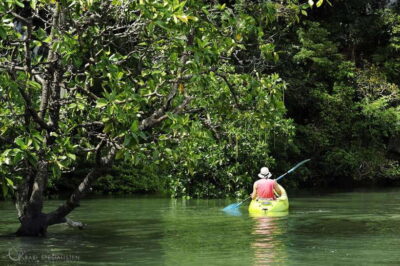 ★ 4.7Half-Day Mangrove Kayaking Tour with LunchFrom $26806 reviews
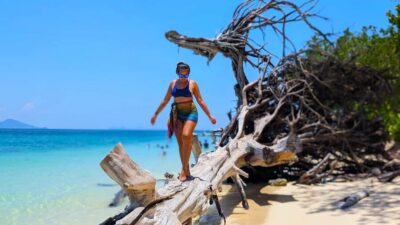 ★ 4.44 Islands, Emerald Cave & Koh Kradan by LongtailFrom $35766 reviews
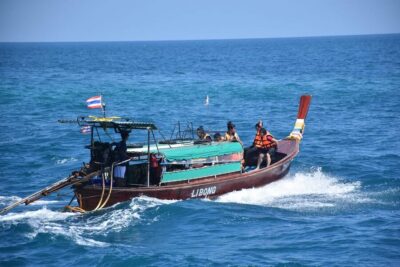 ★ 4.54 Islands and Emerald Cave Tour by Longtail BoatFrom $35507 reviews
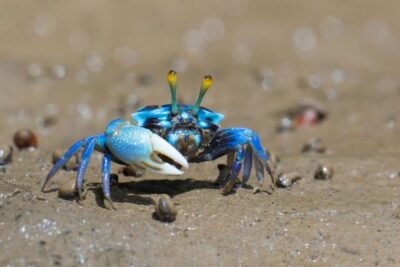 ★ 4.9Mangrove Kayaking, Ko Talabeng, & Skull IslandFrom $63494 reviews
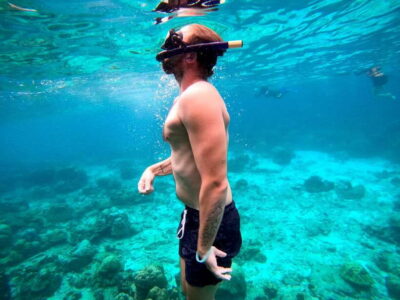 ★ 4.7Koh Haa & Koh Rok Snorkel Tour by SpeedboatFrom $54403 reviews
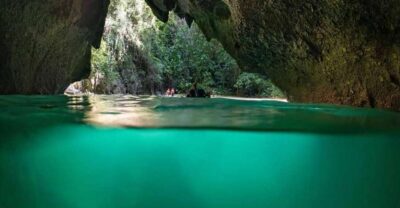 ★ 4.14 Islands Snorkeling Tour by Longtail BoatFrom $31297 reviews
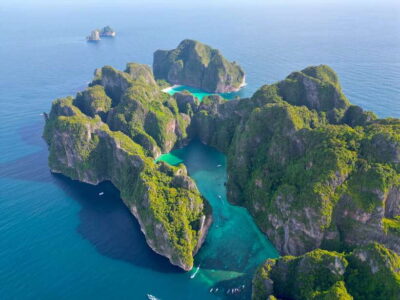 ★ 4.3Phi Phi Islands Tour w/ Maya Bay, Snorkel & LunchFrom $54247 reviews
Browse the lists this tour appears in