
REVIEW · KOH LANTA ISLAND TRIPS
Koh Lanta: Evening Course at Lanta Thai Cookery School
Four dishes, one Thai kitchen, and real dinner prep.
This Koh Lanta evening course feels like a mini cooking holiday: small-group instruction (up to 12) and hands-on cooking with strong guidance from the team, including Thai Chef Aon and Chien. I also like that you can steer the flavor to your taste, from vegetarian to as spicy as you want. One consideration: when the group runs closer to the upper limit, the pace can feel a bit busy and rushed near the end.
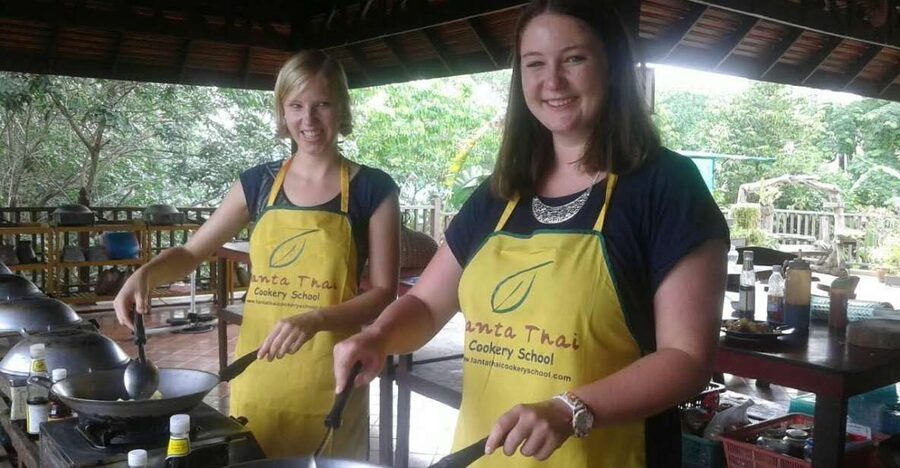
You start with hotel pickup by songtaew, then head inland to a spacious teak-wood house near Phra Ae Beach (Long Beach). The on-site organic garden tour is a practical way to learn what you are actually cooking with, not just watching from the sidelines.
You will choose and cook 4 dishes out of 10 available options, then eat them as you go. It is an efficient format for a 4-hour evening, but it also means you will not sample everything on the menu list in one sitting.
In This Review
- Key things to know before you cook
- From Saladan to Long Beach: pickup that keeps the evening easy
- Teak house cooking, plus an on-site garden you actually use
- Choosing your 4 dishes from 10 options, and why the mix matters
- Vegetarian and vegan flexibility
- Cooking with Thai Chef guidance: what hands-on really means here
- Pace and group size reality check
- What the menu teaches you, dish by dish
- Tom Kha and other coconut-based soups
- Som Tam and other sour-spicy salads
- Curries and the value of making paste
- Stir-fries, sweet and sour, and quick seasoning
- Larb and “Isan heat”
- Sticky rice with mango
- The meal portion: eating as you cook, plus leftovers for later
- Who should take this Koh Lanta evening course
- Price and value: why $64 makes sense for 4 hours and real skills
- Practical tips that make the evening smoother
- Should you book this cooking course on Koh Lanta?
- FAQ
- What is the duration of the Koh Lanta evening cooking course?
- How many dishes do I cook during the class?
- Is hotel pickup and drop-off included?
- Are vegetarian or vegan options available?
- Can I control the spice level?
- Where is the cooking class held?
- What should I bring, and what is not allowed?
- Do I get a certificate?
Key things to know before you cook
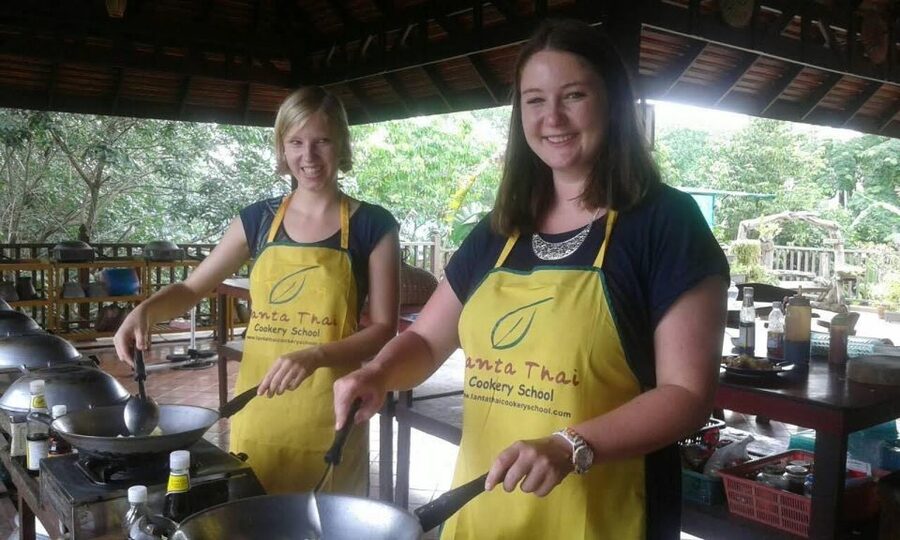
- Small-group class size (often around 10 to 12) means you get real attention while you work.
- Garden herb and spice tour sets up the ingredients before you touch the cutting board.
- 4 dishes, individually cooked lets you practice multiple styles, from salads to curries.
- Hand-made pastes and sauces are part of the learning goal, not just assembly.
- Flexible choices: vegetarian, vegan, and spice levels can all be adjusted for you.
- Certificate and recipe book help you recreate the dishes at home.
Lanta days also got written up
- Koh Lanta: Adventure Sea Tour to Koh Rok and Koh Haa★ 4.7 · 828 reviews
- Ko Lanta: Half-Day Mangrove Kayaking Tour with Lunch★ 4.7 · 806 reviews
- Koh Lanta: 4 Islands, Emerald Cave & Koh Kradan by Longtail★ 4.4 · 766 reviews
- Koh Lanta: 4 Islands and Emerald Cave Tour by Longtail Boat★ 4.5 · 507 reviews
From Saladan to Long Beach: pickup that keeps the evening easy
The biggest practical win here is the round-trip hotel transfer. You get picked up by songtaew, a common passenger pickup truck in Thailand, along the main road on Koh Lanta between Saladan and Kantiang Bay. That matters because it keeps you from doing the logistics shuffle after a beach day, and it puts you in the right place at the right time.
In the afternoon, you will get your exact pickup time by email after booking. From there, the ride is straightforward: you are traveling from the resort zone to an inland cooking-school property just south of Phra Ae Beach, also known as Long Beach. If your hotel is on that main road corridor, you will likely find this smoother than trying to arrange a taxi or scooter pickup on your own.
One more tip: wear comfortable shoes. You do not need hiking boots, but you will appreciate something stable while moving around the facility and kitchen area.
Teak house cooking, plus an on-site garden you actually use
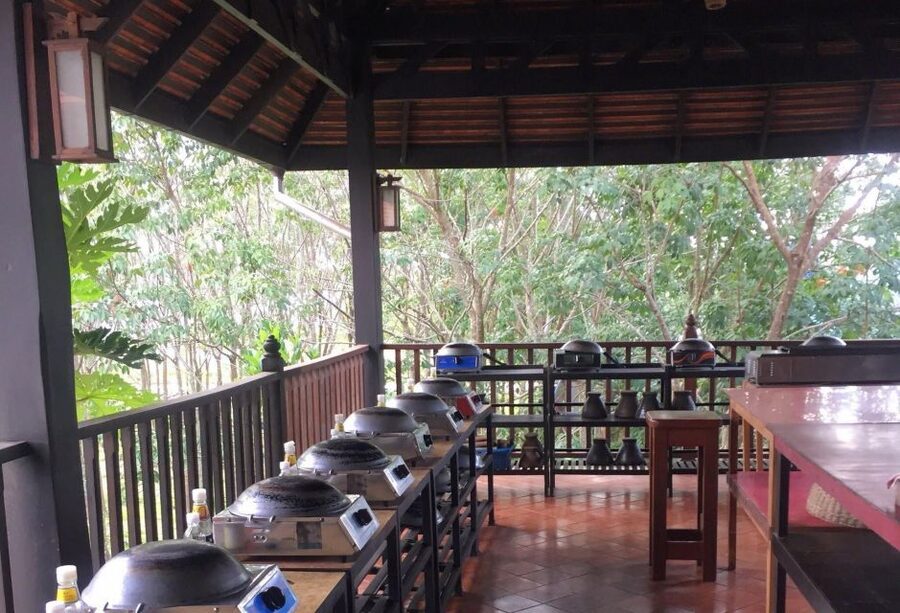
The class takes place in a spacious teak-wood house inland from the beach. It feels like a real home-kitchen setup, not a show kitchen with a barrier. That difference matters because you are cooking, not just watching.
Before you start making dishes, you do a tour of the garden and see herbs, spices, and vegetables grown on-site. This is not a generic walk-and-smile stop. It is the kind of grounding that helps you understand Thai cooking basics like:
- how fragrant leaves change the taste,
- why fresh aromatics matter in stir-fries and soups,
- and how “simple” ingredients like lime, garlic, and chili paste build depth.
If you are thinking about cooking Thai food later at home, the garden step is where your brain starts connecting ingredient names to real flavors.
Choosing your 4 dishes from 10 options, and why the mix matters
This evening format is built around a smart constraint: you pick 4 dishes out of 10, and the dish list changes for each course. That means every session feels slightly different, but the overall structure stays the same.
The menu is designed to teach a range of Thai styles, not just one cooking lane. Your options can include combinations like:
- soups and curries (for depth and spice control),
- salads (for balance of sour, salty, and spicy),
- stir-fries (for heat management and timing),
- noodle dishes (for texture and seasoning),
- and dishes built from hand-made pastes (for that real Thai foundation).
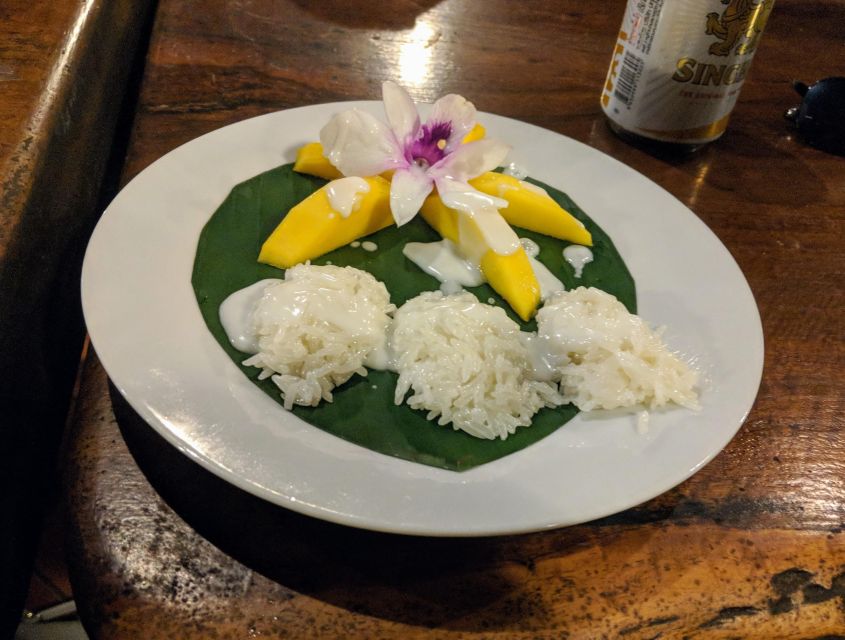
A few menu items you might see on the evening list include Tom Kha (coconut soup), Som Tam (papaya salad), Massaman Curry (with paste prep), Larb (spicy Thai salad from Isan), spring rolls (including Thai sauce), sticky rice with ripe mango, and more.
Vegetarian and vegan flexibility
You can request vegetarian, vegan, and even non-spicy versions. This is a major plus for groups with mixed diets because the kitchen is ready for swaps, not forcing you into the same bland option.
From the way the class is run, it also sounds like the staff checks preferences or restrictions before cooking. If you have allergies or a strong preference, tell them clearly when you book.
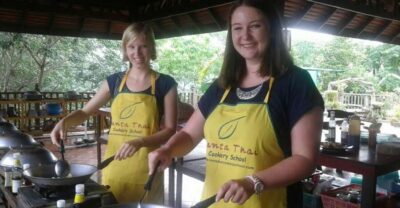
Cooking with Thai Chef guidance: what hands-on really means here
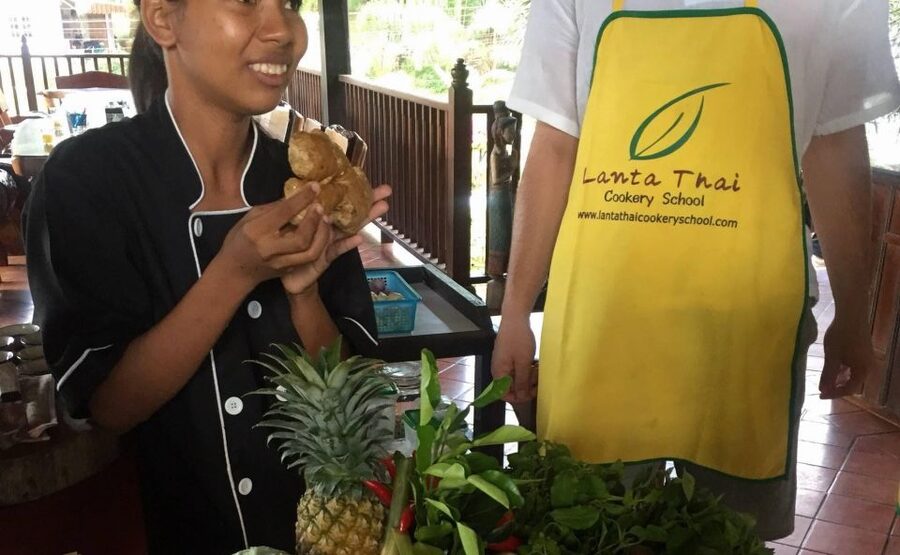
The class is taught by Thai chefs and instructors, with English support. In the materials and staff roles, you will see Thai Chef Aon and Chien credited, and in practice you may be guided by friendly instructors with good English, including teachers like San, Prim, and Brim (names that show up in the class experience).
Here is how the cooking part works in practical terms:
- You start with a welcome drink and a clear instruction rundown.
- Then you cook each chosen dish individually, with guidance at the stations.
- You follow steps with supervision, not random cooking-on-your own.
That “individual cooking” approach is a big reason people rate this highly. It is not a group assembly line where half the class just watches. You get your hands on the ingredients and you learn the sequence.
One of the most useful skills you can take home is learning how Thai cooking builds flavor through specific stages: prepping aromatics, mixing pastes or sauces, then cooking with correct heat and timing. Dishes like Massaman Curry and Larb are great teachers because they require more than just frying and adding sauce.
Pace and group size reality check
You should know one thing up front: class pace depends on group size. With smaller groups (some people report around seven), the instruction can feel calm and personal. With larger groups, it can get busier, and the last part of the evening may feel a bit rushed.
If you want maximum hands-on time and lower stress, book for a night when your group size is likely smaller. If you are fine with a more energetic pace and you like meeting other cooks, the class still works well.
What the menu teaches you, dish by dish
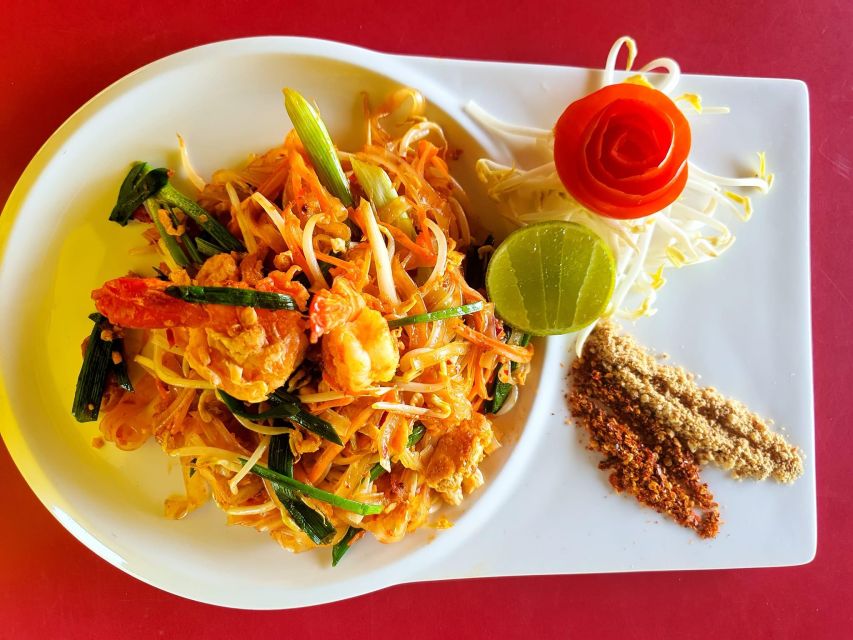
Because you choose 4 dishes from the list, your exact menu may vary. But the cooking skills are consistent. Here is what each dish category tends to teach you.
Tom Kha and other coconut-based soups
If you land on Tom Kha, you will practice how coconut soup achieves balance. Coconut cream softens heat and rounds flavors, while aromatics and herbs keep it from tasting flat. You also get a feel for seasoning timing: when to add and when to let it simmer.
Som Tam and other sour-spicy salads
Som Tam is where Thai flavor logic shows up. You learn how sourness comes from lime, how salt anchors flavor, and how chili brings heat without making everything taste like pure burn. Even if you choose a mild version, the structure still teaches you.
Curries and the value of making paste
Massaman Curry is a paste-based dish option. If you cook it, you are practicing a deeper flavor build than the quick curry paste shortcut people use at home. You learn what changes when spices and aromatics get ground and mixed, and how that paste behaves when heated.
Stir-fries, sweet and sour, and quick seasoning
Stir-fry options like sweet and sour chicken or seafood teach fast decision-making: get the pan hot, move ingredients on schedule, and season so the sauce coats instead of pooling.
Larb and “Isan heat”
Larb is all about texture and punch. It is typically spicy and aromatic, and it is often about mixing flavor in the right order. If you prefer non-spicy, you can still practice the same method and keep the balance.
Sticky rice with mango
If your menu includes sticky rice with ripe mango, you get a soft landing after the savory dishes. It also teaches how Thai desserts can be simple but precise, especially around rice texture.
The meal portion: eating as you cook, plus leftovers for later
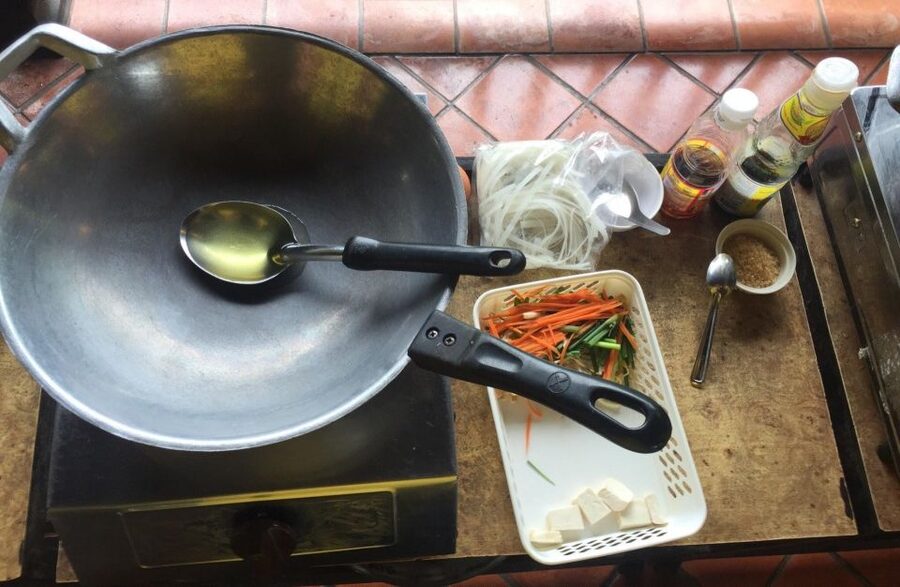
A big practical joy: you eat what you cook. Instead of cooking everything first and eating at the end only, you can expect to start feasting as dishes are completed. That keeps energy up and lets you taste and adjust your instinct on the spot.
The included drinks and extras help make the evening feel like a proper meal night, not just a classroom:
- drinking water,
- coffee and tea,
- fruits,
- and rice.
Some people also mention enjoying cold drinks during the session, so if you like that vibe, plan for it as an option depending on the evening.
A clever add-on is the leftovers to share. You can pack up what you have left to take back to friends or family. It turns your cooking class into more than one meal, especially if you are traveling with others who did not take the class.
At the end, you receive a cooking certificate. It is a small souvenir, but it also signals this is a structured lesson, not a casual demonstration.
Who should take this Koh Lanta evening course
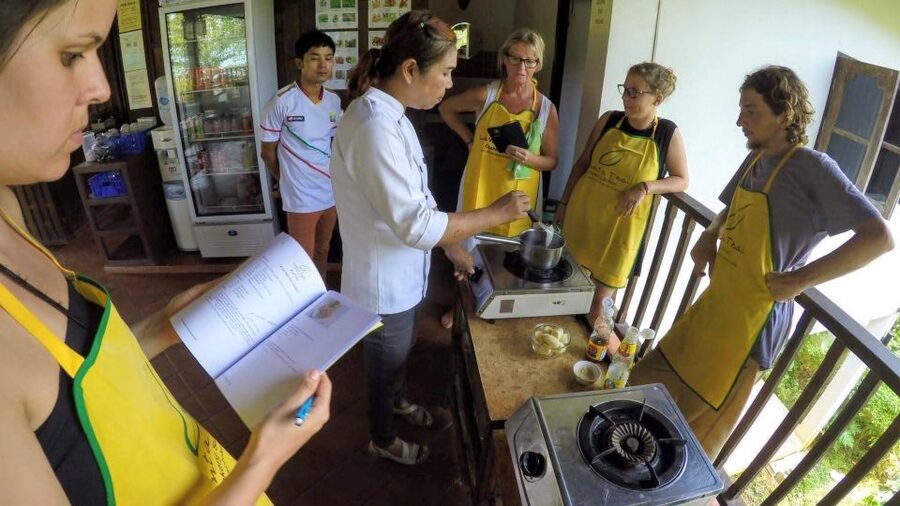
This class fits best if you want:
- a hands-on food experience that you can reproduce later,
- a manageable time commitment (4 hours),
- and a setting that includes actual ingredient context through the garden tour.
It is also a good group activity for families, since people have taken it as a family of four and both kids and adults can enjoy the process. One important note: children can choose only 2 dishes, so plan around that if you are traveling with younger kids.
It is not suitable for children under 2 years.
If you are a solo traveler, you can still get plenty out of it. Some people report getting near full attention when they were the only one in the class.
If you hate crowds, keep an eye on group size. The cooking-school team seems to work hard to keep things organized, but larger groups can make the flow feel hectic.
Price and value: why $64 makes sense for 4 hours and real skills
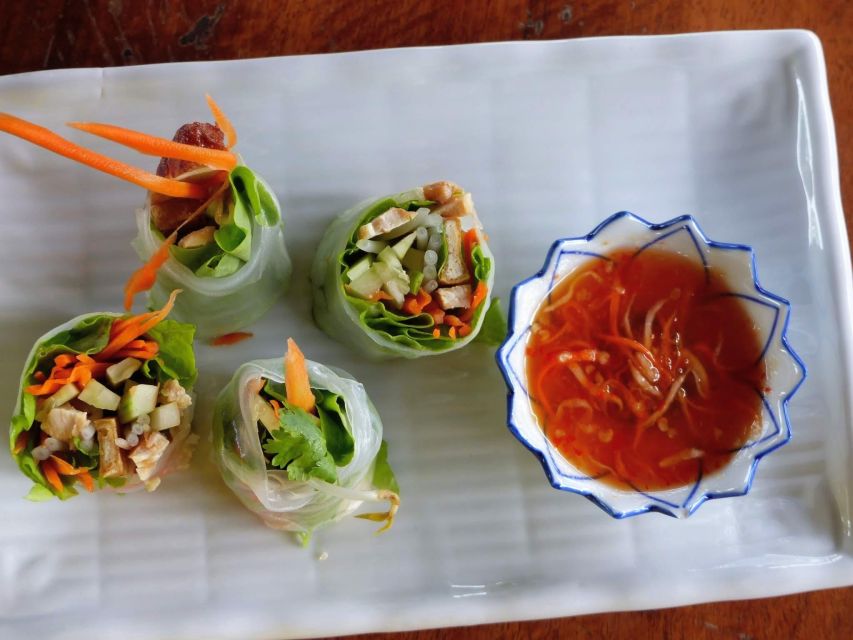
At $64 per person for a 4-hour evening course, you are paying for more than a meal. You are paying for:
- hotel round-trip transfer,
- instruction with active coaching,
- ingredients and cooking materials,
- a cookbook,
- and a cooking certificate,
- plus drinks, fruits, and rice.
Most cooking classes end with a tasting that you barely control. Here, you control what you cook. You also learn cooking methods tied to Thai foundations like paste-making and balanced seasoning. That means the value shows up later when you cook at home and realize you are not guessing.
It is also good value for Koh Lanta because the class is designed around a premium ingredient experience, including the on-site organic garden. You are not just in a restaurant kitchen.
One final value thought: if you are booking with a group, the vegetarian and spice flexibility helps avoid paying for separate meals. That can save real money and stress.
Practical tips that make the evening smoother
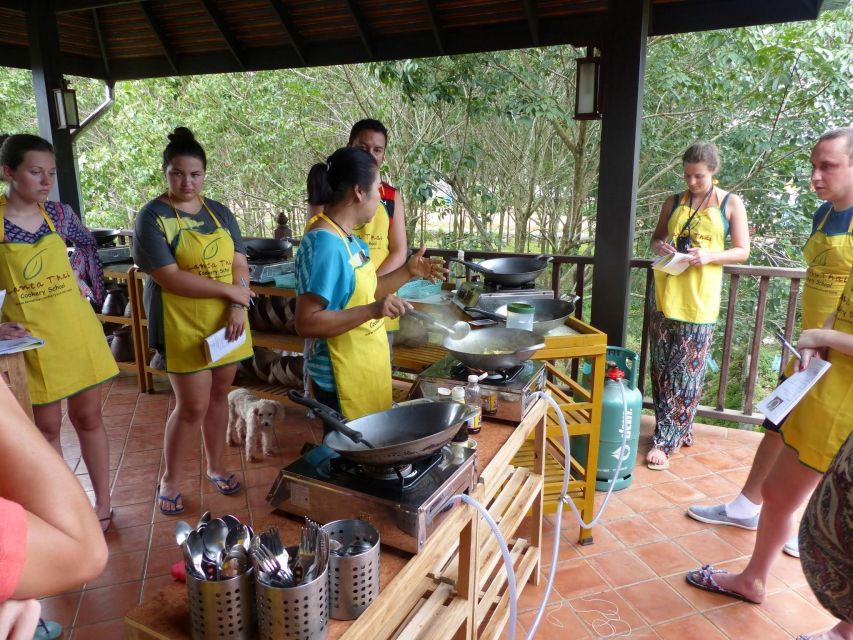
- Bring mosquito repellent. One person specifically advised it after a good experience, and that is smart for any evening outdoors.
- Wear breathable clothing. A 4-hour cooking session can get warm, especially while standing near stoves.
- Keep bags light. You cannot bring luggage or large bags.
- If you have spice preferences, state them clearly. Options can be made as spicy as you like, or not spicy at all.
- If you want vegetarian or vegan dishes, communicate it when booking.
Should you book this cooking course on Koh Lanta?
I think you should book if you want a structured, hands-on Thai cooking night that does not rely on guesswork. The combination of garden tour, small-group instruction, choosing your own 4 dishes, and eating what you cook is a strong setup. The included transfers and recipe book make it feel complete, not like a half experience.
Skip it only if you strongly dislike any chance of a rushed finish during high-demand evenings. If that is your style, you can still go, but mentally prepare for more momentum if the group runs toward the larger end.
If you want a reliable way to bring Thai cooking skills home, this evening course is one of the better bets on Koh Lanta.
FAQ
What is the duration of the Koh Lanta evening cooking course?
The course lasts 4 hours.
How many dishes do I cook during the class?
The class includes cooking 4 dishes out of the available selection (the options change for each course).
Is hotel pickup and drop-off included?
Yes. Round-trip transfer is included, using songtaew pickup from your hotel along the main road between Saladan and Kantiang Bay. The exact pickup time is confirmed by email after booking.
Are vegetarian or vegan options available?
Yes. All dishes can be made vegetarian on request, and the class can also be adjusted for vegan requests.
Can I control the spice level?
Yes. Dishes can be made non-spicy or as spicy as you like.
Where is the cooking class held?
It is held in a spacious teak-wood house inland in the south of Phra Ae Beach (Long Beach).
What should I bring, and what is not allowed?
Bring comfortable shoes and breathable clothing. Luggage or large bags are not allowed.
Do I get a certificate?
Yes. You receive a cooking certificate at the end of the class.
What else made it into the Thailand notebook
Based out of Koh Lanta, continued
What else made it into the Ko Lanta notebook
- PADI Discover Scuba Diving Experience Full Day Trip
★ 5.0 · 21 reviews - Phi Phi Island Tour from Koh Lanta–Speedboat, Snorkeling&Maya Bay
★ 3.5 · 21 reviews - Koh Lanta to Ao Nang by Ao Nang Princess Ferry
★ 4.0 · 21 reviews - Koh Lanta: 4 Islands Tour by Speedboat with Snorkeling
★ 3.9 · 21 reviews - “Koh Rok&Koh Haa-The Queen of Andaman” Day tour by Opal Travel
★ 4.5 · 25 reviews - A full day exploring kayaking 3 islands (Talabeng sea cave)
★ 4.0 · 26 reviews
Koh Lanta Island Trips, compared.
 ★ 4.7Adventure Sea Tour to Koh Rok and Koh HaaFrom $55828 reviews
 ★ 4.7Half-Day Mangrove Kayaking Tour with LunchFrom $26806 reviews
 ★ 4.44 Islands, Emerald Cave & Koh Kradan by LongtailFrom $35766 reviews
 ★ 4.54 Islands and Emerald Cave Tour by Longtail BoatFrom $35507 reviews
 ★ 4.9Mangrove Kayaking, Ko Talabeng, & Skull IslandFrom $63494 reviews
 ★ 4.7Koh Haa & Koh Rok Snorkel Tour by SpeedboatFrom $54403 reviews
 ★ 4.14 Islands Snorkeling Tour by Longtail BoatFrom $31297 reviews
 ★ 4.3Phi Phi Islands Tour w/ Maya Bay, Snorkel & LunchFrom $54247 reviews
Browse the lists this tour appears in