
REVIEW · KHAO LAK TOURS AND DAY TRIPS
Historical And Cultural Day Tour To Takuapa Old Town From Khao Lak
A day tour to Takuapa feels like time travel with a purpose. You get Sino-Portuguese streets from the tin-mining era, local food stops, and a thoughtful visit to the 2004 Boxing Day Tsunami memorial world. I especially like how the itinerary mixes easy wandering with story-based stops that actually explain what you are seeing.
I also love the small-group feel. With a maximum of 10 people and real-world experiences where it can even be just two in the car, you can ask questions and set the pace without feeling herded. The guides can be genuinely personal about the tsunami, which makes the day land emotionally, not just as facts.
One possible drawback: the tour is weather-dependent and runs about 6 hours, so you will want comfy shoes and patience if the day starts humid or a shower pops up. Also, it is not recommended for pregnant travelers or anyone with high blood pressure, heart disease, or bone conditions, per the tour guidance.
In This Review
- Key highlights to look for
- Takuapa Old Town, 32 km from Khao Lak, and why it looks different
- First stops: Guan Yin Shrine and a Chinese shrine near Le Méridien
- Takua Pa Walking Street market time and Taosor cake
- Preserved architecture at the governor’s residence wall
- Nam Kem Cultural Centre and the clay-museum feeling
- The tsunami story at the International Tsunami Museum, plus reflection
- Pickup, small-group pace, and whether 6 hours fits you
- Lunch, rain chances, and what to expect day-of
- Should you book this Takuapa Old Town day tour from Khao Lak?
- FAQ
- How long is the Takuapa Old Town historical and cultural tour from Khao Lak?
- What time does the tour start?
- Is pickup included, and are mobile tickets used?
- What does the tour include in terms of admissions?
- Is there a limit on group size?
- Who should not join this tour?
Key highlights to look for
- Sino-Portuguese streets in Takuapa, shaped by the town’s tin-mining wealth
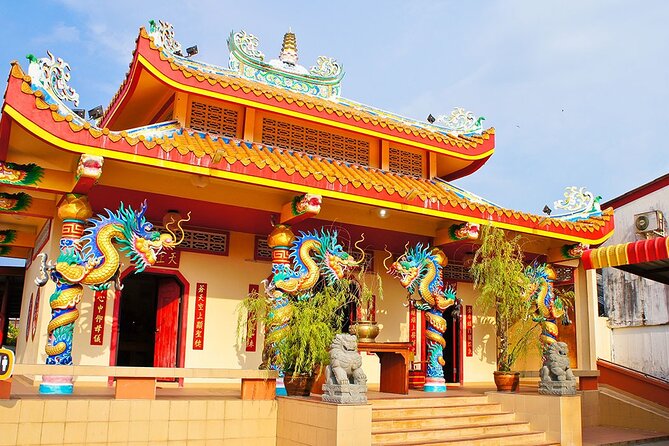
- Temple stops including the Guan Yin Shrine and another Chinese shrine near Le Méridien Khao Lak
- Takua Pa Walking Street market time plus a dedicated stop for Taosor cake
- Ancient governor’s residence wall, a preserved look at old-town life
- Nam Kem Cultural Centre, a locally run clay museum stop tied to the area’s identity
- International Tsunami Museum and memorial reflection, including survivor-guided storytelling from some guides
Khao Lak days also got written up
- Ethical Elephant Sanctuary Experience in Khao Lak★ 4.8 · 778 reviews
- Thai Cooking Class in Khao Lak by Amazon Prime Series Chef★ 5.0 · 661 reviews
- Khaolak: Bamboo Rafting, Waterfalls, and Turtle Conservation★ 4.7 · 622 reviews
- Khao Lak: Elephant Bathing and Turtle Center Visit★ 4.9 · 490 reviews
Takuapa Old Town, 32 km from Khao Lak, and why it looks different
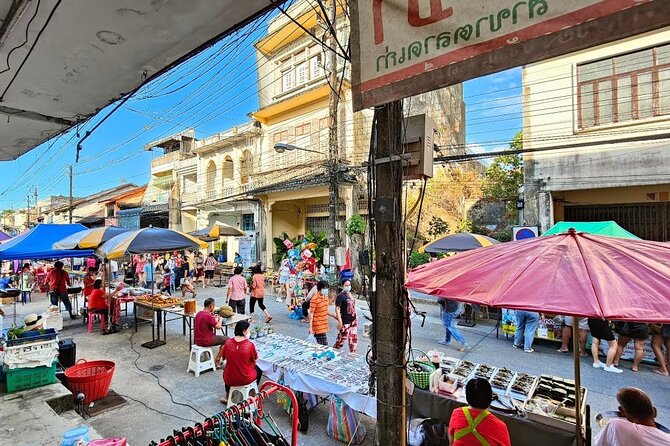
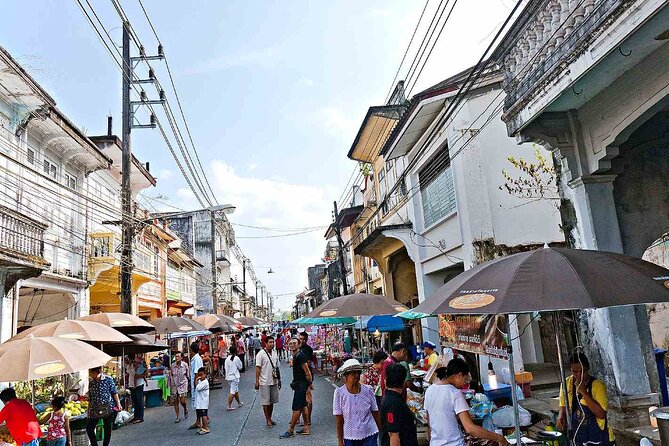
Takuapa is about 32 km north of Khao Lak, and that short ride is the whole trick. You go from beach-town Thailand into an older town where the buildings carry a Chinese and Portuguese look. The “why” matters here. This place, once known as Takola, grew wealthy during the tin-mining era, and that prosperity shaped the architecture and the community.
So when you start walking the older streets, you are not just looking at pretty walls. You are seeing how trade and labor created a distinctive urban style, the kind you do not get everywhere along the Andaman coast. I like that the tour frames the day like a story: old-town streets, local food, preserved structures, then the tsunami remembrance that changed everything.
This is also a day tour built for people who want culture without stress. You do not have to figure out the route, deal with multiple tickets, or map out which sites are worth the time. Pickup is included, and admissions are covered at the stops.
If you come to Khao Lak expecting a simple beach base, this tour is a great pivot. It adds texture. It adds meaning. And it gives you a place to point at and say, that is what shaped this town.
First stops: Guan Yin Shrine and a Chinese shrine near Le Méridien
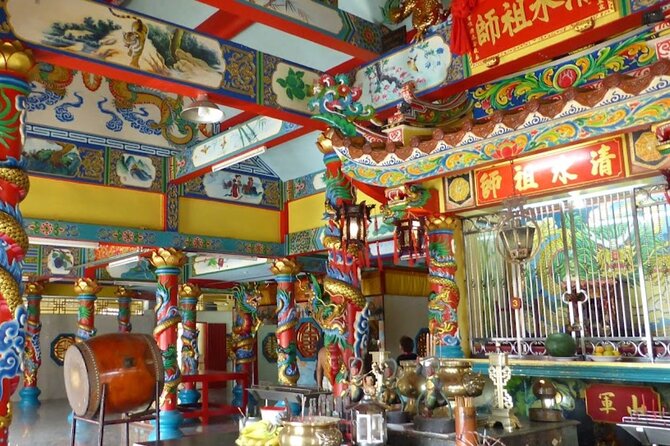
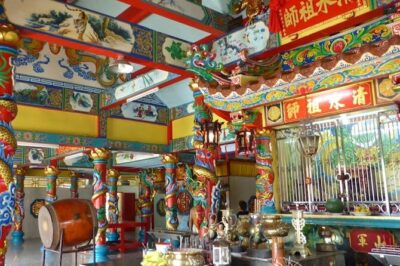
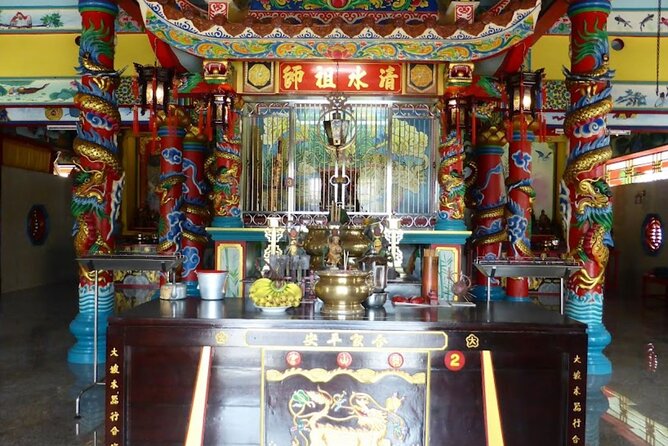
The day begins with two Chinese shrine visits, each designed to help you get your bearings fast before you hit the streets.
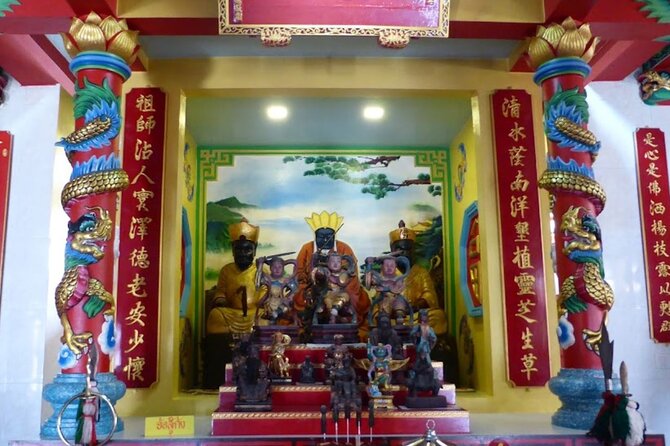
First up is the Guan Yin Shrine, where you spend about 30 minutes. The point is not to race through a landmark. It is to notice the religious texture of the community and the role Chinese heritage plays in local daily life. Then the tour continues to another Chinese shrine stop located at or near Le Méridien Khao Lak Resort and Spa, again about 30 minutes with admission included.
Why this opening works: it keeps the day from feeling random. By the time you arrive in Takuapa, you can connect the architecture and the old-town lanes to the cultural blend that still shows up in shrines and street life.
A practical note: shrine visits often mean you will be standing and walking at a relaxed pace. Wear footwear you can move in comfortably, because later you will also be browsing and strolling.
Also, if you care about personal stories, this is the kind of day where your guide’s tone matters. Some guides on this route have personal links to the 2004 tsunami, and you will feel that shift later. Starting with shrines helps keep the day grounded and respectful before it turns to remembrance.
Takua Pa Walking Street market time and Taosor cake
After the shrine warm-up, you head into the heart of the local food and street rhythm: Takua Pa Walking Street. This is about 1 hour, and it is set up for browsing rather than rigid touring. You get time to slow down, look around, and see how people shop and snack in the district.
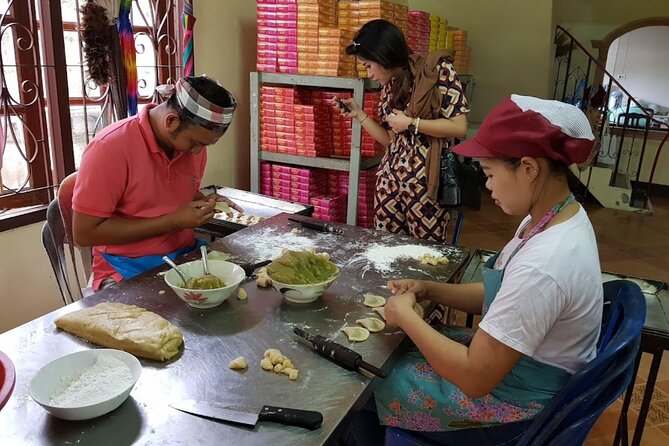
Then comes a very specific, very local food stop: Taosor cake, sometimes described as a smaller cousin to a Chinese-style mooncake. You visit a popular shop for about 30 minutes, with admission included. This is one of those stops that makes the day feel real. It is not a tourist platter. It is a district specialty tied to identity.
Here is the value of including a dessert stop like this. It gives you a tangible memory you can taste later, and it helps you understand why the town’s Chinese influence matters. Even if you do not buy anything, seeing what locals consider worth saving space for on a busy street is useful.
If you are sensitive to sweetness, pace yourself. If you love trying things, this is a fun win because you are not guessing what to order once you are on your own.
One small practical tip: keep a little cash or a payment card handy for snacks and extras. Admissions for the tour stops are included, but market browsing usually means you will want to buy something if you find something you like.
Preserved architecture at the governor’s residence wall
Next, you move from street life to built heritage. The tour includes time at the ancient wall of the governor’s residence, preserved in Chinese and Portuguese architectural styles. Plan for about 1 hour here, and you can walk and take in how the old town used to function.
What I like about this stop is that it is not just “look at a wall.” You get a clearer sense of scale and layout. Governor residences tell a lot about who held power, how the town was organized, and how wealth and status were expressed in architecture during the mining era.
And because the wall is preserved, it is easy to imagine daily routines. Where would people gather? How would the neighborhood flow? Even on a short day tour, this kind of place helps you turn photos into understanding.
Potential consideration: outdoor sightseeing time can feel hot or humid, depending on the day. The tour does require good weather, but real life includes occasional rain. If clouds roll in, a light rain layer is handy, especially if you are the type who likes to keep taking photos.
This is also one of the best places for questions. Good guides can connect the shapes you see with the town’s tin-mining story and the cultural mix behind it.
Thai history outings also got written up
Nam Kem Cultural Centre and the clay-museum feeling
Between the preserved architecture and the tsunami remembrance, you visit Nam Kem Cultural Centre. It is described as a museum run by locals, and the center is made out of clay, which is an instant attention-grabber.
Even without turning it into a lecture, this kind of local-run museum stop is valuable. It often feels less like a scripted attraction and more like people showing you their perspective. In a day like this, that matters. When you later visit the tsunami museum and memorial spaces, you want your mind set to receive real context.
The clay construction also changes the vibe. You are not just walking through a sterile building. You are in a space that feels crafted, local, and intentionally designed, which fits the theme of identity.
What I’d suggest for your visit here: take a slower moment. Read what you can, then step back and look at the overall layout. This stop is a bridge, helping you connect old-town wealth and architecture to the later tragedy and the way the community honors what happened.
If you enjoy museums, you will likely appreciate this as a palate cleanser. It is reflective, but not as heavy as the tsunami story. If you usually skip museums, this is still a smart inclusion because the clay building makes it more memorable than a standard indoor exhibit.
The tsunami story at the International Tsunami Museum, plus reflection
The emotional center of the tour is the International Tsunami Museum, followed by time for reflection connected to the tsunami memorial area. The focus is the tragic story of the 2004 Boxing Day Tsunami that devastated the region, with the museum dedicated to preserving it for future generations.
This part of the day is not about entertainment. It is about understanding scale, consequences, and community loss. Expect a thoughtful experience that can be moving, especially if your guide shares personal context.
One of the strongest highlights from the experiences shared by people who’ve done this tour is that some guides are tsunami survivors. When a guide has lived experience, the museum becomes more than exhibits and photos. You get a human layer that helps the story land.
Practical advice: bring a calm mindset. Give yourself time to process what you see. And if the emotional weight feels like too much, you can still step aside briefly if you need a breather.
Also keep in mind this is a remembrance day. Your behavior matters, like it would at any memorial site. Dress and act with respect, and your experience will feel more meaningful.
If you want to make the museum visit more valuable, try to connect it back to what you saw earlier. The old town, the shrines, the architecture, all of it is part of a living place. The tsunami changed the living place forever, and these stops help you understand that continuity.
Pickup, small-group pace, and whether 6 hours fits you
This tour is about 6 hours long, starting at 9:00 am, with pickup offered. The group is capped at 10 travelers, and in real-world situations it can become very personal, sometimes with just two people sharing the car.
That small size changes everything. You are not stuck waiting for a crowd. You can ask questions, ask for directions inside a site, and spend an extra few minutes on a detail that interests you. People often mention how much more personal it feels when the guide can answer anything in real time.
It also helps with timing. Your stops are built around short, focused visits: about 30 minutes at the shrine stops, about 1 hour in the market street area, about 1 hour at the governor’s wall, then a longer museum-focused block. The day has rhythm.
Price-wise, at $70.83 per person, the value comes from the mix of things included: pickup and a guided day, plus admissions at multiple stops. You are paying for not having to arrange transport to Takuapa and for having context at each stop.
One consideration: it does require good weather. So if you are traveling during a volatile weather window, choose sensible clothing and keep expectations flexible.
Who should like this pace? Couples, culture-minded solo travelers, and anyone who wants more than a quick photo stop. If you want a high-energy day with constant movement, this may feel more thoughtful than fast.
Lunch, rain chances, and what to expect day-of
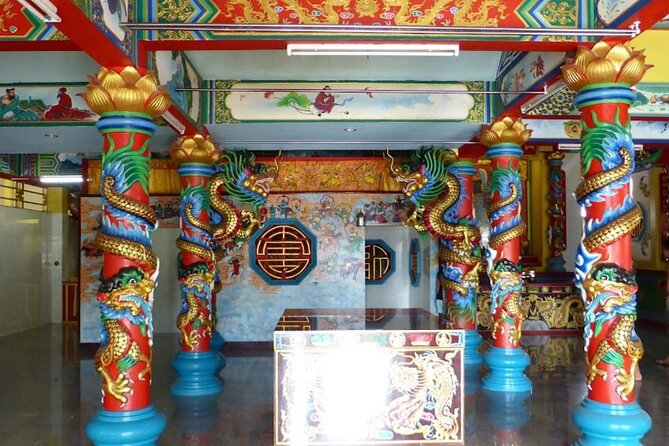
While the core timing is the cultural sites, the day typically includes time for a lunch stop. Some people speak highly of the lunch at a place called Happy Beach restaurant. Even if your exact meal spot varies, plan for a standard mid-day break included in the flow.
As for rain: one experience noted only a single downpour during the trip. That lines up with how coastal travel often works, weather can change in short bursts. Bring something simple like a small rain layer or umbrella, and you will handle it without losing momentum.
What to bring is straightforward:
- Comfortable walking shoes for market lanes and the governor’s residence wall
- A light layer for air-conditioning in transit if you get chilly easily
- A rain option, because you are out most of the morning
If you get a good guide, the day stays lively even when you are sitting in a museum. Guides with local memory or personal tsunami connections tend to make the day feel cohesive, not like a checklist.
Should you book this Takuapa Old Town day tour from Khao Lak?
I think you should book it if you want a Khao Lak day that goes beyond scenery and into culture with real context. The combination of Sino-Portuguese old-town streets, a clear food highlight with Taosor cake, preserved architecture, and the moving tsunami remembrance creates a day that feels both memorable and grounded.
Skip it if you are not comfortable with emotionally heavy content. The tsunami museum is serious. Also, check the tour guidance if you are pregnant or have high blood pressure, heart disease, or bone conditions.
If you like thoughtful guiding and small-group pacing, this one fits well.
FAQ
How long is the Takuapa Old Town historical and cultural tour from Khao Lak?
The tour runs for about 6 hours.
What time does the tour start?
The start time is 9:00 am.
Is pickup included, and are mobile tickets used?
Pickup is offered, and you receive a mobile ticket.
What does the tour include in terms of admissions?
Admission tickets are included for the listed stops, including the shrine visits, market and dessert stop, the governor’s residence wall, and the tsunami museum.
Is there a limit on group size?
Yes. The tour has a maximum of 10 travelers, and it requires a minimum of 2 people to operate.
Who should not join this tour?
The tour guidance says it is not recommended for pregnant travelers or for people with high blood pressure, heart disease, or bone diseases. It also notes most travelers can participate.
Guided Thai outings, continued
What else made it into the Thailand notebook
Out of Khao Lak, continued
What else made it into the Khao Lak notebook
- Highlight Khaolak ATV Quad-bike Adventure Experience
★ 4.5 · 8 reviews - Khao Lak Ethical Elephant Sanctuary Conservation Experience
★ 4.5 · 8 reviews - James Bond Island & Canoe Tour by Longtail Boat – Full Day from Khao Lak
★ 5.0 · 8 reviews - Khao Lak Elephant Sanctuary Full Day Small Group Tour
★ 5.0 · 8 reviews - Khao Lak Old Town Cycling Adventure
★ 5.0 · 8 reviews - Surin Islands Snorkel Tour by SeaStar Andaman from Phuket
★ 4.5 · 9 reviews
Khao Lak Tours and Day Trips, compared.
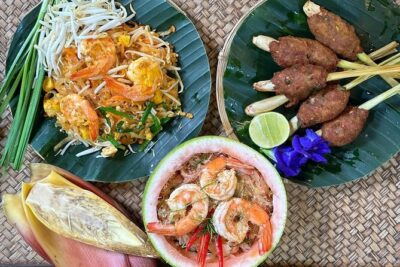 ★ 5.0Thai Cooking Class in Khao Lak by Amazon Prime Series ChefFrom $59661 reviews
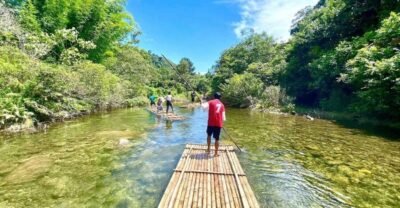 ★ 4.7Khaolak: Bamboo Rafting, Waterfalls, and Turtle ConservationFrom $48622 reviews
 ★ 4.9Elephant Bathing and Turtle Center VisitFrom $63490 reviews
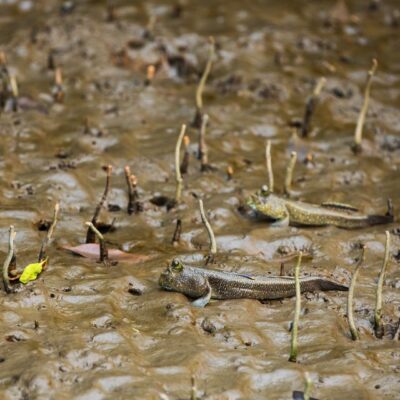 ★ 4.5Little Amazon Canoe Ride & Tam Nang Waterfall TourFrom $61442 reviews
 ★ 4.6Khaolak: Phang Nga Bay, Tapu Island, and Panyi Village TourFrom $48358 reviews
 ★ 4.3Phuket Naka Weekend MarketFrom $32297 reviews
 ★ 4.5Bamboo Rafting & Sea Turtle Conservation CenterFrom $42282 reviews
 ★ 4.7Khaolak: Elephant Sanctuary Guided Tour with Hotel TransfersFrom $51226 reviews
Browse the lists this tour appears in