
REVIEW · YOGA, MEDITATION AND MONK CHATS
Chiang Mai: Evening Chanting & Meditation
Monk chants at dusk feel physical. At Wat Chai Sri Phoom, you join evening chanting with monks, and the steady rhythm helps your mind slow down fast. The setting is peaceful in a very practical, you-can-feel-it way.
My other favorite part is the follow-up 15-minute silent meditation that actually gives you time to practice, not just listen. One small drawback to plan for: the chanting is central, and while you get English guidance, an English chant-by-chant breakdown is not guaranteed.
In This Review
- Key highlights you will care about
- Evening Timing, Temple Calm, and What 3 Hours Actually Feels Like
- From Wat Lok Moli Meeting Spot to Wat Chai Sri Phoom
- Chanting With the Monks: What You Are Doing and Why It Helps
- 15-Minute Silent Meditation: A Small Practice That Actually Fits
- Metta Practice at the Temple: Sending Kindness With Words and Intention
- Senior Monk Wisdom and Q&A: Where the Meaning Becomes Clear
- What to Wear, What to Bring, and Temple Rules That Matter
- Price and Value: Why $20 Can Feel Surprisingly Worth It
- Who This Is For, and Who Should Skip It
- Practical Booking Tips for a Smooth, Calm Evening
- Should You Book Chiang Mai Evening Chanting and Meditation?
- FAQ
- Where does the experience take place?
- How long is the experience?
- What is the cost?
- What language is the tour guide?
- Is transportation included to the temple?
- What is included in the price?
- What should I bring and wear?
- Are there any rules during the session?
- Who should not join?
- Can I cancel or change plans?
- Is the experience good for first-time meditation?
Key highlights you will care about
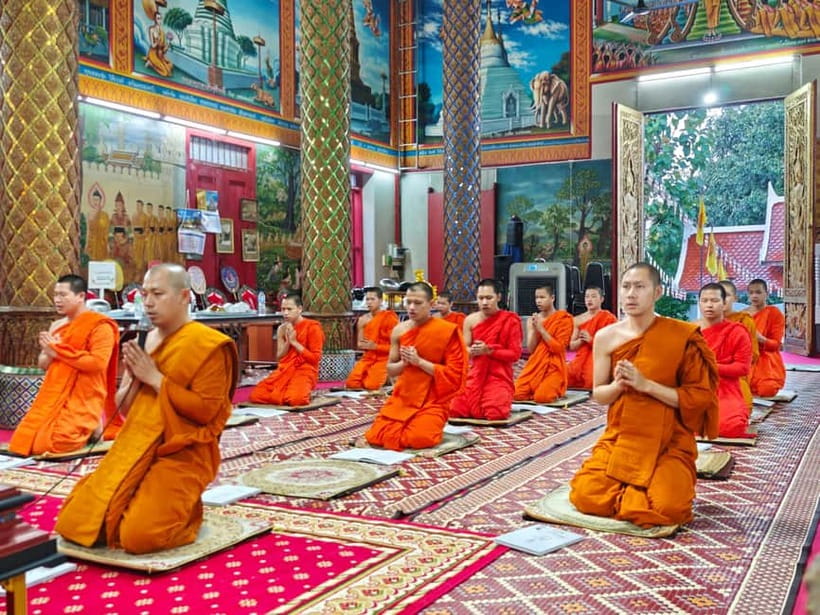
- Wat Chai Sri Phoom evening ritual that is designed for participation, not spectatorship
- Chanting with resident monks, where the sound and cadence help you settle
- Metta practice with heartfelt wishes for loved ones, those who passed, and all beings
- A short guided silent meditation (about 15 minutes) that fits even busy schedules
- Talk time with senior monks and lay practitioners, plus lots of Q&A when possible
- An ex-monk guide like Son (and similar guides such as Big) who explains what you are doing
Narrowing it down? Here is what else got written up around Muang Chiang Mai.
- Chiang Mai: Thai Cooking and Market Tour with Lanna Smile★ 5.0 · 44 reviews
Evening Timing, Temple Calm, and What 3 Hours Actually Feels Like
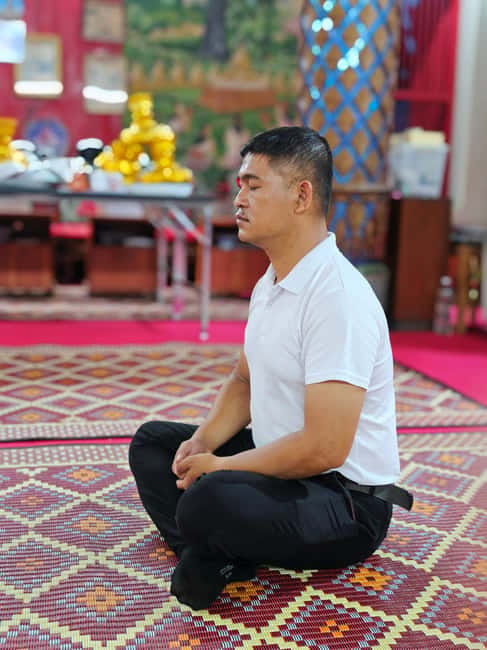
This is the kind of Chiang Mai evening activity that starts after your day has already exhausted you. Instead of another meal, another show, or another night market loop, you get a structured reset: arrive early, breathe, chant, meditate, then talk.
In about 3 hours, you are guided through the main blocks that matter. You typically spend 40 to 50 minutes with the chanting, then shift into a 15-minute guided meditation. After that, you add Metta and a chance to ask questions, sometimes with monks sticking around afterward.
It is not therapy. It is not a performance. It is a real temple rhythm, with just enough explanation to help you follow along without turning it into a quiz.
From Wat Lok Moli Meeting Spot to Wat Chai Sri Phoom
The meeting point is listed as Wat Lok Moli, where your guide waits in front of the temple. It also notes the location may change, so I suggest you check the day-of details from your provider.
Evening temple sessions run best when you plan for simple timing. Get there at least 15 minutes early so you can settle before the chanting begins. If you arrive late, you miss the quiet setup that makes the ritual feel grounded.
Transportation is not included to and from Wat Chai Sri Phoom, so do your part. Bring cash for a tuk-tuk, or plan on using a rideshare or taxi. If you are coordinating with a group, confirm the exact route when you meet your guide.
Chanting With the Monks: What You Are Doing and Why It Helps
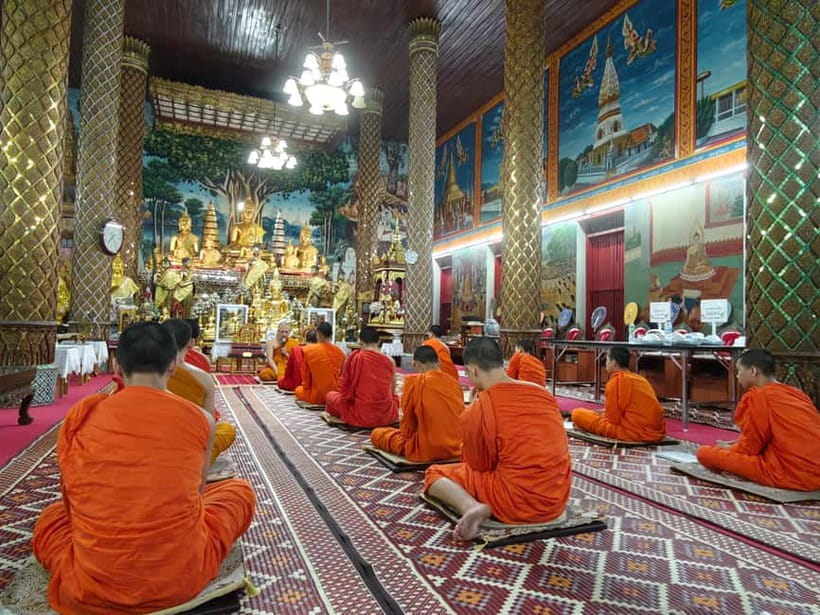
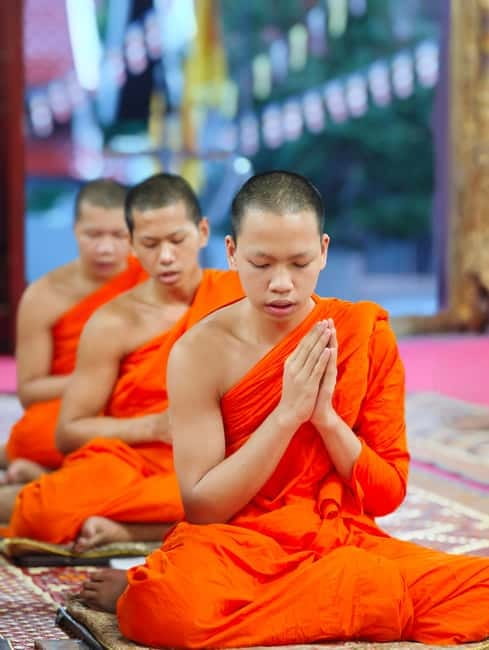
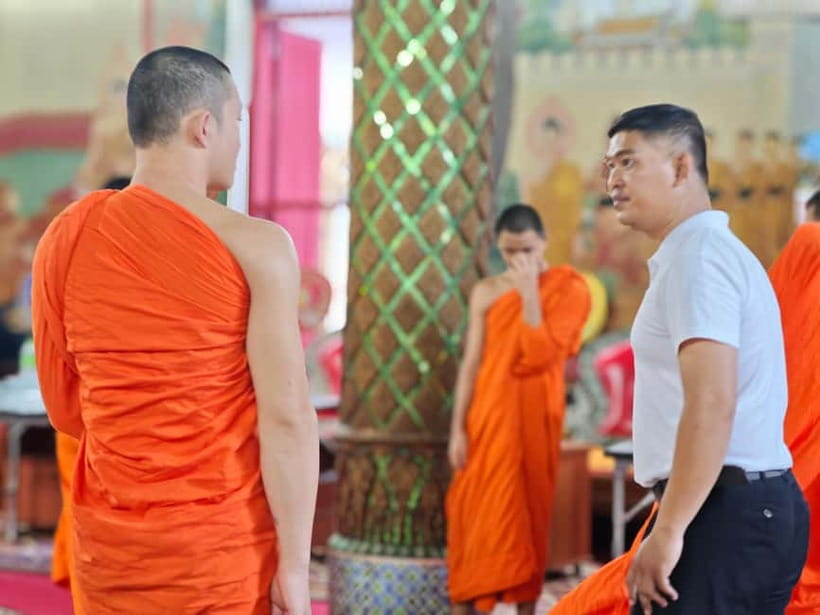
Chanting here is the heart of the evening. You do not just sit at the back. You join in with the monks in their evening chant, listening to sacred texts and following the rhythm the way the community does.
One practical reason I like this format: the sound becomes a focus. When voices chant together, it gives your attention something steady to latch onto. That matters because your brain will try to narrate everything you are feeling. Chanting helps silence that internal chatter.
You also get a lived, human element from the guide. Many sessions are led by people with deep experience, like Son, who has spent years as a monk and can explain what you are hearing and what it means. Other guides are mentioned too, including Big and Earth, and the pattern is the same: they translate the ritual into everyday understanding.
You might notice a minor mismatch if you expect English, line-by-line chant translation. One review specifically wished for an English version of the chant. So go in expecting English guidance about the practice, not necessarily subtitles for each phrase.
15-Minute Silent Meditation: A Small Practice That Actually Fits
Right after the chanting fades, the session shifts. You move into a 15-minute silent meditation with guidance to help you quiet inner noise.
This is a smart time length for most people. If meditation makes you restless, 15 minutes still feels realistic. If meditation is your thing, you still get structure and direction. Either way, it keeps the evening from turning into long, fuzzy waiting.
In a place like this, silence lands differently. Temple evenings tend to thin out distractions: fewer street sounds, more shared focus, and the calming effect of sitting in the same space where monks practice daily.
If you have never meditated, treat this as training for attention. You are not aiming for a perfect mind. You are learning to notice thoughts, then return to the instructions you are given.
Metta Practice at the Temple: Sending Kindness With Words and Intention
Metta is the compassion practice you will learn and then practice during the session. Your guidance focuses on extending heartfelt wishes for well-being.
The session includes sending Metta to:
- loved ones
- those who have passed
- all beings
This is the part that can feel surprisingly personal. You might start by thinking of people you care about, then realize the practice is asking you to widen the circle. It is not just a feel-good exercise. It is a directed way of training your mindset toward kindness and steadiness.
If you tend to carry stress, Metta can feel like a mental exhale. Instead of trying to force calm, you give your mind an intention it can work with.
Just note: you are in a temple space. Keep it respectful, quiet, and sincere. The practice works best when you slow down and let it land.
Senior Monk Wisdom and Q&A: Where the Meaning Becomes Clear
After chanting and meditation, you get a chance to hear insights into Buddhist philosophy and practices. The session includes guidance from senior monks and also lay practitioners.
This is where the experience often becomes more than a ritual. A good guide turns what you did into something you can use. In reviews, guides such as Son are praised for answering questions clearly and connecting the practice to real life. A recurring theme is how approachable the explanations feel, whether you are brand new or already practicing.
In some cases, monks may stay afterward to answer questions. That is a rare bonus because you get a more direct link between the tradition and your own curiosity.
You should leave time to ask. Write down two questions before you go. Something simple works, like how Metta practice applies when you feel angry, or how meditation fits into daily routines.
What to Wear, What to Bring, and Temple Rules That Matter
Temple etiquette is not about being picky. It is about showing respect so the group can focus.
Here is what you should bring:
- Water
- comfortable clothes
Dress modestly. You are entering a monastic environment, so avoid anything that feels too short, too tight, or too revealing.
Rules you need to follow:
- no smoking
- no flash photography
- silence your mobile device before the session begins
If you have a watch, keep it quiet. If you need meds, plan ahead so you are not stepping out during chanting. This is a short, structured window. Small disruptions feel bigger.
Price and Value: Why $20 Can Feel Surprisingly Worth It
$20 per person for a 3-hour, monk-led evening is solid value in Chiang Mai. You are paying for access to a real temple ritual and guided practice, not just a talk or a photo stop.
Here is what makes it good value:
- you spend meaningful time in chanting and meditation, not just a quick walkthrough
- you get guidance during meditation, so you know what to do
- you gain philosophy explanations, often with deep-experience guides like Son
- you may get extra Q&A time with monks after the session
It is also priced for flexibility, which matters when you are trying to protect your schedule. The format includes reserve now, pay later, and it also offers free cancellation up to 24 hours in advance.
So you are not locking yourself into an inflexible plan. You are buying a calm evening with real guidance, which is exactly what many people struggle to find in Thailand when evenings get noisy.
Who This Is For, and Who Should Skip It
This experience fits best if you want a quiet, structured temple evening. It is ideal for people who:
- want to experience Buddhism through participation, not performance
- enjoy meditation basics and guided practice
- like asking questions in a respectful setting
- want an English-speaking guide who can explain the why
It is not suitable for:
- children under 10
- people with back problems
- wheelchair users
That last part matters. Even if the meditation is guided and short, sitting and staying still can be tough if your body does not handle it well. If you have mobility issues, plan carefully and ask your provider if there is any way to adjust. The data does not list accommodations, so assume there are limits.
Practical Booking Tips for a Smooth, Calm Evening
A few small things will make this feel better from the moment you arrive.
First, arrive early. The session asks for 15 minutes early so you can settle before chanting starts.
Second, keep your expectations realistic. You are not going to master all of Buddhist philosophy in one night. You are going to practice a few core elements:
- chanting as focus
- meditation as attention training
- Metta as kindness with direction
Third, come with at least one question. If your guide is someone like Son, he tends to answer with clarity and lived perspective, and the monks often support Q&A too.
Finally, keep your phone away during the practice, even if you are tempted to record. This is about being present.
Should You Book Chiang Mai Evening Chanting and Meditation?
If you want a genuine temple evening that does not feel like a tourist script, you should book this. The mix is what sells it: chanting with monks, a guided short silent meditation, and Metta practice, all paired with explanations from guides with real experience like Son.
I would especially book it if you are the kind of traveler who likes quiet activities but still wants context. This gives you both.
Skip it if you need lots of physical comfort or if you are sensitive to sitting through chanting and meditation. Also, if you expect a detailed chant translation in English, go in prepared for general guidance rather than a full word-for-word chant breakdown.
If you fall somewhere in the middle, this is one of those rare evenings where paying attention feels effortless, and the calm you create inside the temple follows you out into Chiang Mai night air.
FAQ
Where does the experience take place?
The chanting and meditation take place at Wat Chai Sri Phoom in Chiang Mai Province. The listed meeting point is Wat Lok Moli, where the guide waits in front of the temple.
How long is the experience?
The duration is 3 hours.
What is the cost?
It is $20 per person.
What language is the tour guide?
The live guide is offered in English and Thai.
Is transportation included to the temple?
No. Transportation to and from Wat Chai Sri Phoom is not included.
What is included in the price?
You get the chanting experience with monks, a guided meditation session, and insights into Buddhist philosophy and practices.
What should I bring and wear?
Bring water and wear comfortable clothes. Dress modestly to respect temple traditions.
Are there any rules during the session?
Smoking is not allowed. Flash photography is not allowed. Silence your mobile device before the session begins.
Who should not join?
It is not suitable for children under 10 years, people with back problems, or wheelchair users.
Can I cancel or change plans?
Free cancellation is available up to 24 hours in advance for a full refund.
Is the experience good for first-time meditation?
It includes a guided meditation session and guidance during the practice, which is designed to help you follow along even if you are new to meditation.
What else made it into the Thailand notebook
What else made it into the Muang Chiang Mai notebook
- Chiang Mai: Thai Cooking and Market Tour with Lanna Smile
★ 5.0 · 44 reviews
Yoga, Meditation and Monk Chats, compared.
 ★ 5.0Wat Phra That Doi Suthep spiritual Sunrise Tour with an Ex-monkFrom $64798 reviews
 ★ 4.9Spiritual Sunrise Wat Doi Suthep, Pha Lat, Alms & MeditationFrom $59674 reviews
 ★ 4.7Sunset Yoga Balance Join-in ClassFrom $2357 reviews
 ★ 5.0Meditation Retreat and Self-Care in NatureFrom $4846 reviews
 ★ 5.0Half-Day Yoga, Meditation, and Thai Cultural Immersion in Chiang MaiFrom $7140 reviews
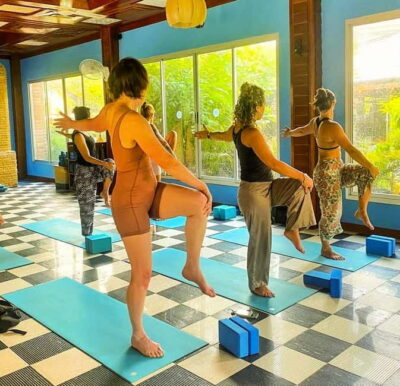 ★ 4.8Yoga Class In Paradise – All Levels Welcome!From $1130 reviews
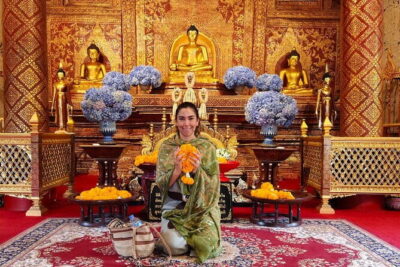 ★ 5.0Chiang Mai Temples Visit Walking Tour with Ex-Monk Guide Part 1From $2529 reviews
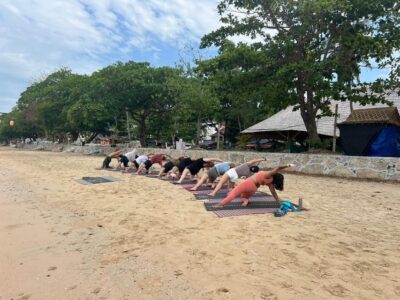 ★ 4.9Sunrise Yoga Balance Join-in ClassFrom $2322 reviews
Browse the lists this tour appears in