
REVIEW · BANGKOK CHINATOWN FOOD WALKS
Bangkok: Must things to see in China town, Small group
Chinatown feels like a living textbook, especially when you have a guide like Mee. I love the small-group pace and how she steers you into temple corners and alley photos you would skip on your own, and the food stops are genuinely worth it. One caution up front, the Chinese temple visit includes steep stairs, so wear grippy shoes and take it slow.
You meet at MRT Hualampong, Exit 1, and you start by Tang Hua Pug Building before the walking really begins. The route is about 4 km total and mostly flat, with only that temple climb to watch, and you get English and Thai explanations along the way.
This is a Chinatown story walk focused on Thai Chinese life, from street art and narrow lanes to a secret-feeling temple moment and a viewpoint stop. You also get time for a cafe break, plus snacks, coffee, and a local lunch that actually slows you down to enjoy the place.
In This Review
- Key things I’d plan for
- Starting at Tang Hua Pug Building, then getting your bearings fast
- How the 3.5-hour walk adds up (and what 4 km feels like)
- Chinatown art, narrow alleys, and the temple stop you won’t skip
- Sampeng Market and the shopping maze that teaches you how Chinatown works
- Snacks, coffee, and a local lunch that keeps the tour honest
- Mee’s role: why the Thai Chinese stories land, not just the sites
- Price and value at about $41 per person
- Who should book this Chinatown walk, and who should skip it
- Should you book? My take
- FAQ
- Where does the tour start?
- Where does the tour end?
- How long is the tour?
- How far do you walk?
- What’s included in the price?
- Do I need to dress a certain way for temples?
- Is it suitable for everyone?
Key things I’d plan for
- Meet at MRT Hualampong Exit 1 and spot your guide by the Eatwalktalktour shirt
- 3.5 hours and about 4 km total, mostly flat, except steep temple stairs
- 15+ Chinatown stops, including Sampeng Market and off-the-main-lane sights
- Thai Chinese community conversations that add meaning to what you see
- Food included: snack samples, coffee, and a local lunch (no alcohol included)
Yaowarat eating walks sat in the same folder
- Bangkok Authentic Tasting Thai-Chinatown Walking Food Tour★ 4.9 · 852 reviews
- Bangkok: Tuk Tuk Adventure Chinatown Michelin Food & Temples★ 4.3 · 725 reviews
- Bangkok Tuk-Tuk Tour by Night with Chinatown Street Food Meal★ 5.0 · 635 reviews
- Bangkok by Night Food Tour with 10+ Tastings in Chinatown★ 5.0 · 545 reviews
Starting at Tang Hua Pug Building, then getting your bearings fast
Bangkok’s Chinatown can feel like a maze the first time you walk into it. That is exactly why this kind of guided route matters. You begin at Tang Hua Pug Building, then the walk funnels you into the older, quieter-in-between pockets before you hit the busiest lanes.
I like how the tour doesn’t just point at big sights. You get small, practical context as you go, so you start recognizing patterns in the streets and buildings. That makes it easier to keep up with where you are, and it also makes the details click, like why certain lanes feel more traditional while others look more modern.
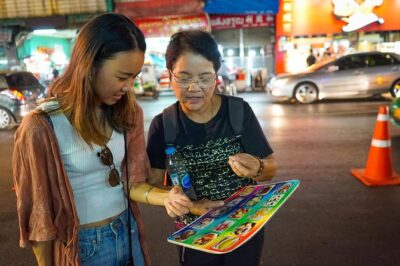
The guide is Mee, and she leads with a mix of history and everyday observation. Her English is clear, her Thai explanations are there too, and you get the feeling she’s used to guiding people who want to understand what they are seeing, not just tick boxes.
How the 3.5-hour walk adds up (and what 4 km feels like)
You’re out for about 3.5 hours, and the total walking distance is roughly 4 km. The important word here is mostly flat. For most of the route, you will be able to keep a comfortable pace without feeling like you are sprinting for photos.
Still, there’s one physical moment to plan for: the Chinese temple. The stairs are steep, so you want shoes you trust, not smooth soles. Easy on-and-off shoes or flip-flops are recommended, but if you choose flip-flops, keep in mind you might be climbing and stepping carefully.
The tour also includes break time, plus photo stops and a cafe pause. That matters in Chinatown because heat and crowds can sneak up on you. You’ll have built-in pauses, so you’re not stuck trying to power through from one food stop to the next.
If you are visiting during May to September, bring an umbrella. Rain can turn the streets slick, and it is easier to have one than to hunt for cover halfway down a lane.
Chinatown art, narrow alleys, and the temple stop you won’t skip
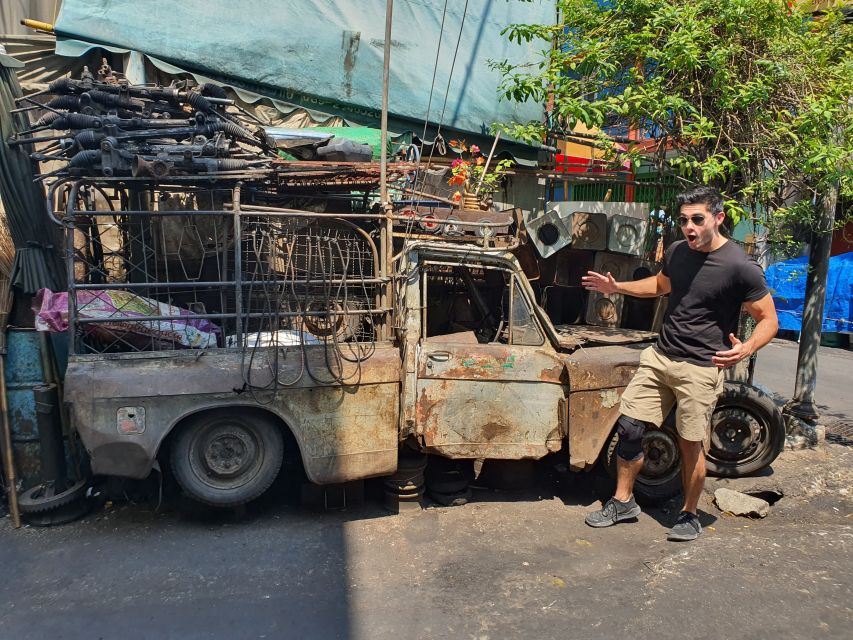
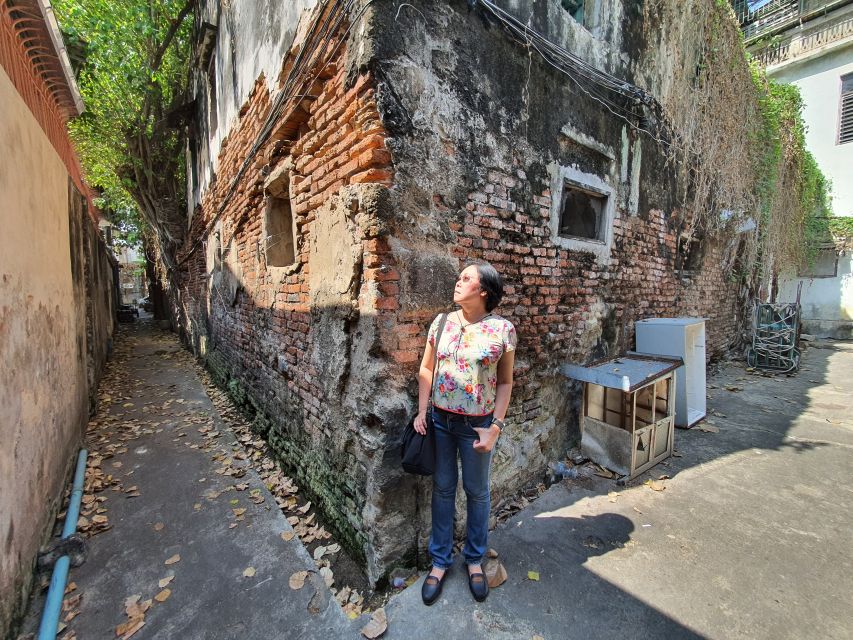
Colorful streets are part of Chinatown’s look, but the real payoff is how quickly the scene changes when you turn into narrow alleys. This tour is built to help you notice that shift. You’re walking past exterior details that look like decoration until you realize they are part of the neighborhood’s identity.
You also get a guided look at a mix of traditional elements and modern street art. That contrast is useful, because it prevents Chinatown from feeling like a museum. Instead, you see it as a living place where old beliefs and newer expressions share the same sidewalks.
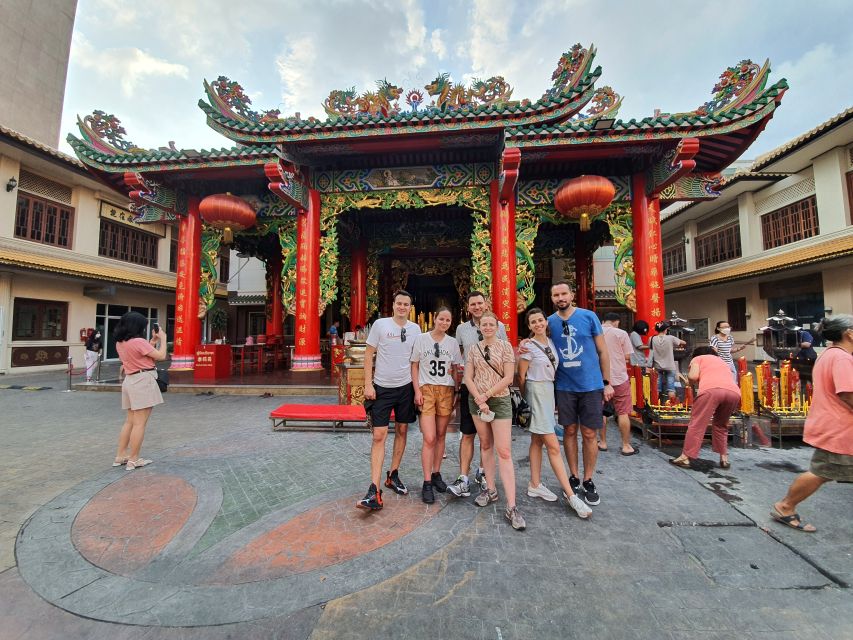
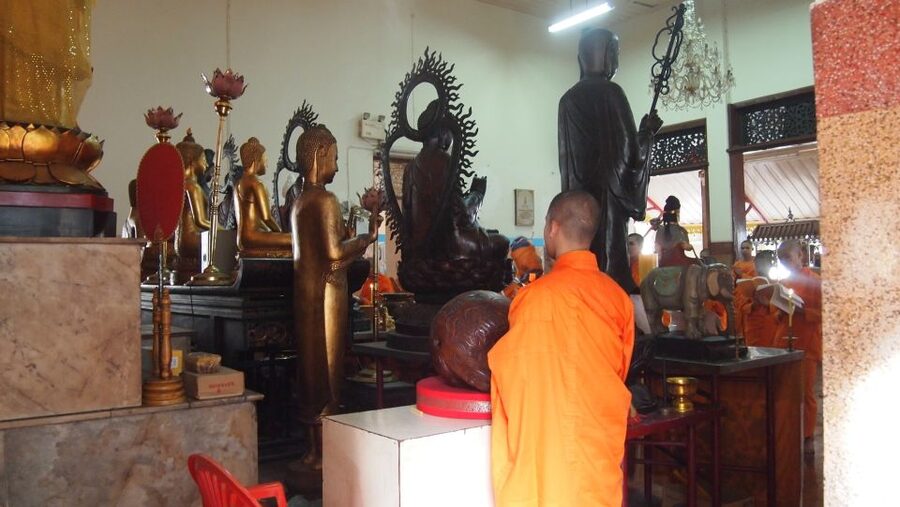
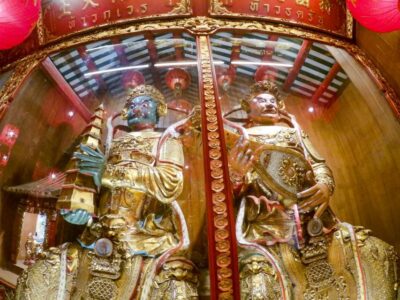
Then comes the Chinese temple. You will visit, and you should dress accordingly: no short skirt and no short pants. Even if you’re just there briefly, it is a temple stop, so respect the setting. Also, take your time on those steep stairs. It is not a big technical climb, but it is real enough that careful footwork matters.
For me, the temple moment is where the walking tour becomes more than scenery. You stop treating Chinatown as something you just observe, and you start understanding it as something people built, maintained, and keep using.
Sampeng Market and the shopping maze that teaches you how Chinatown works
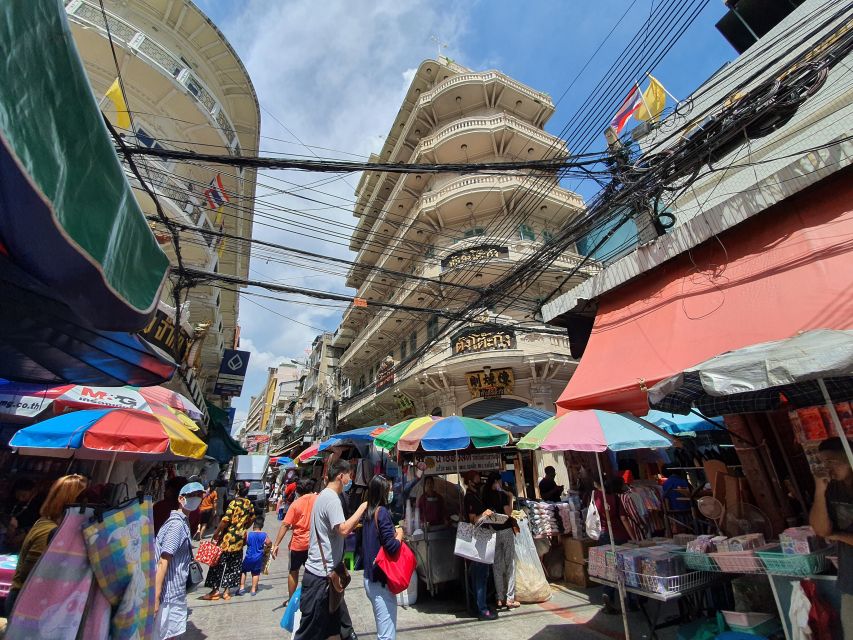
Sampeng Market is one of those places that shows you what Chinatown is like when you stop looking at it from the outside. It is described as one of Bangkok’s oldest and lesser-known open markets, and it fits the vibe: lots of goods, lots of turning, and lots of small discoveries.
This part of the walk is about getting comfortable moving through a dense market layout. You’re not just strolling in wide aisles. You navigate through narrow lanes where you can spot different product categories and small stalls that feel like they’ve been there forever.
I like that the tour frames it as more than shopping. You get help reading the market flow, so you don’t end up bouncing around randomly. You also get a chance to browse without feeling rushed, which is key if you want to buy something or just watch how people interact with vendors.
If you’re the type who likes photos, this is also a good time. The market gives you angles you can’t get from main roads, and the details make your pictures feel grounded, not generic.
Snacks, coffee, and a local lunch that keeps the tour honest
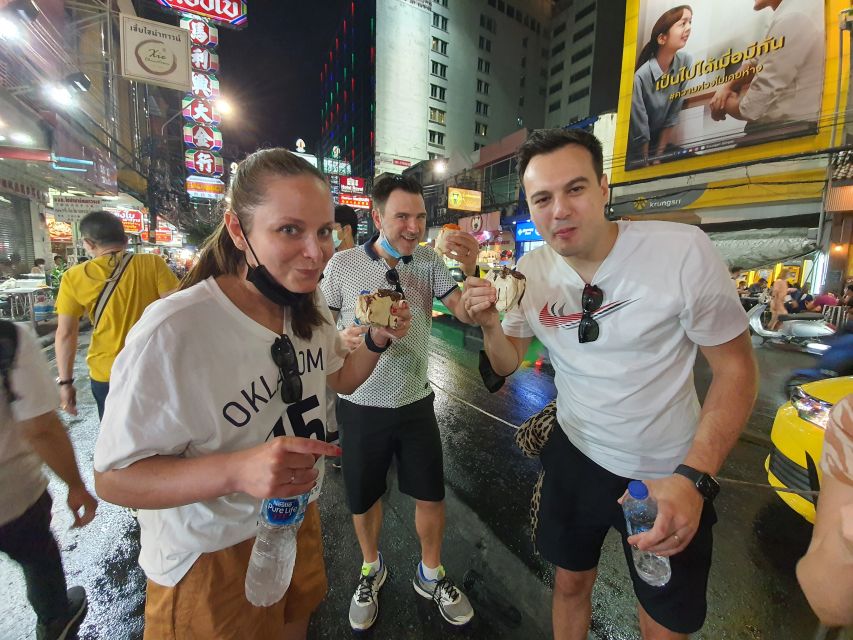
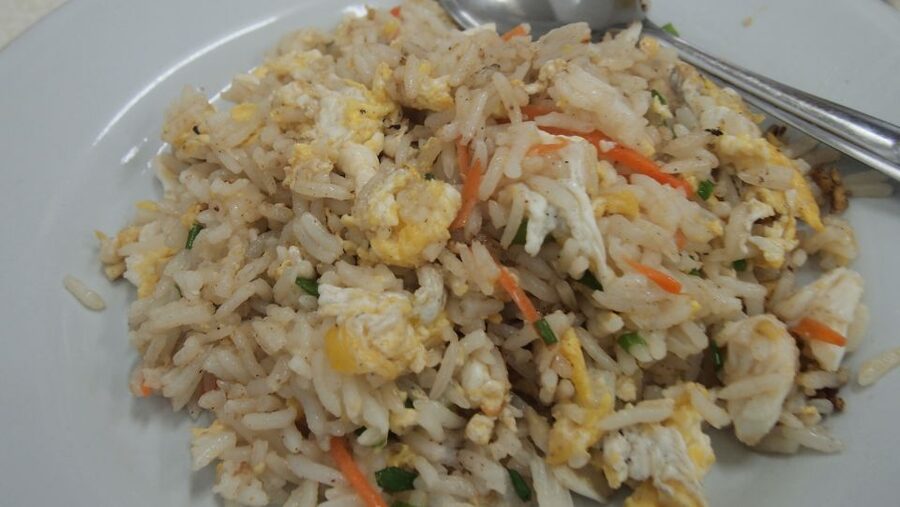
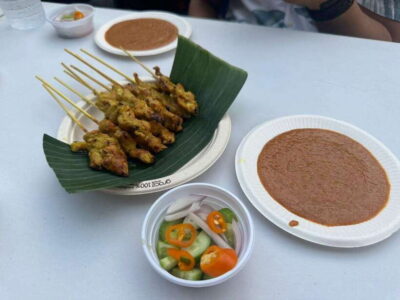
Food is included, and that changes the whole feel of the experience. You get snack samples, coffee, and a local lunch at a renowned local restaurant. That is the kind of inclusion that turns a walking tour into an actual meal-and-stroll day.
I enjoy how the food stops are spaced so you’re not constantly “touring while hungry.” In Chinatown, that matters because the smells hit fast and the temptation to snack randomly is real. The tour gives you a structured way to try local flavors without you guessing what to order or where to start.
You’ll also get drinks at the cafe break, which is a nice reset after market lanes and temple steps. It gives you a moment to slow down, wipe sweat off your face, and actually digest what you just saw.
One more practical note: alcohol drinks are not included. So if you want a beer with your lunch, plan to pay for it separately.
Mee’s role: why the Thai Chinese stories land, not just the sites
The best part of this tour is the human layer. You’re not only walking through places, you’re talking about what they mean to the Thai Chinese community.
Expect guided conversations and stories tied to daily life, local heritage, and how traditions show up in street design and neighborhoods. The tour also includes a look at traditional houses and the local hustle around you. That gives the tour a purpose beyond photos.
Mee’s approach stood out in the way people describe her: serious about expertise, but still enthusiastic, and focused on getting you into authentic corners you probably would not reach on your own. You can feel that she’s not trying to entertain you with trivia. She’s connecting you to people and patterns.
If you like understanding the “why” behind a place, you’ll appreciate how the tour uses history and present-day details together. You’ll walk away with a stronger sense of identity for the neighborhood, not just a list of stops.
Price and value at about $41 per person
At $41 per person, this isn’t a luxury tour, but it also isn’t a bare-bones walk. You get a lot of what makes Chinatown tiring or confusing handled for you: a guide, 15+ stops, snacks, coffee, and a local lunch.
Here’s how I think about value for a tour like this. Paying $41 makes sense if you would otherwise spend money on guided interpretation plus several food stops while trying to figure out where to go. You’re effectively buying a shortcut through language barriers and neighborhood complexity, and you’re also getting meals covered so you can focus on walking and learning.
It is also a good length for a first Chinatown day. If you try to do Chinatown alone, you risk spending time circling the same areas and missing the small side locations. This route helps you move with purpose while still giving you breaks.
Who should book this Chinatown walk, and who should skip it
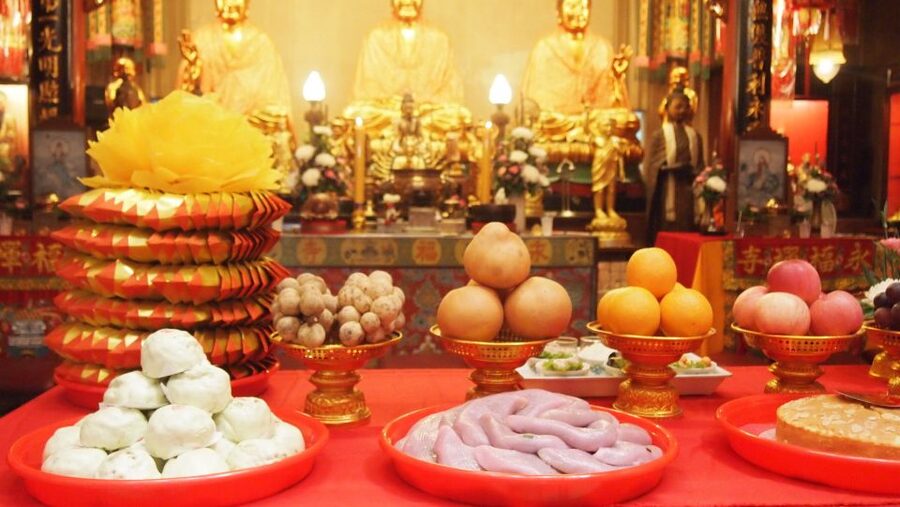
This tour is a great match if you want Chinatown to feel personal. You’ll enjoy it if you like temple visits, market wandering, street art stops, and food that is part of the story, not just a side quest.
It’s also ideal if you prefer a small-group pace. You get enough attention to ask questions, and you’re not stuck shouting across a huge crowd.
On the other hand, it is not suitable for pregnant women, not suitable for wheelchair users, and it does not fit very young kids (babies under 1 year). It also isn’t recommended for people over 95 years old, likely because of the walking and the steep temple stairs.
If you dress modestly and you’re comfortable with a short but active walk, you’ll be fine. Just plan for the stairs, bring the right footwear, and bring an umbrella if you’re going in the rainy months.
Should you book? My take
Book it if you want a guided Chinatown day that combines Thai Chinese heritage, meaningful conversations, and included food. The small-group feel and the guide’s focus on authentic corners are the big reasons to choose this over doing Chinatown solo.
Skip it if stairs are a problem for you or if you need a totally accessible route. Also skip it if you only want the biggest landmarks and no walking in narrow market lanes.
If you fit the usual “comfortable on foot” profile, this is a smart way to experience Bangkok Chinatown in a few focused hours, with food and context built right in.
FAQ
Where does the tour start?
The meeting point is MRT Hualampong, Exit 1. The guide wears an Eatwalktalktour shirt.
Where does the tour end?
The activity ends back at the meeting point (MRT Hualampong, Exit 1).
How long is the tour?
It lasts about 3.5 hours.
How far do you walk?
The total walking distance is about 4 kilometers, roughly 2 miles. It is flat almost everywhere except at the Chinese temple.
What’s included in the price?
Included are 15+ places in Chinatown, a tour guide, snack, coffee, and local lunch.
Do I need to dress a certain way for temples?
Yes. Because the tour visits temples, you should not wear short skirts or short pants.
Is it suitable for everyone?
It is not suitable for pregnant women or wheelchair users. It is also not suitable for babies under 1 year or people over 95 years old.
What else made it into the Thailand notebook
Yaowarat after dark, plate by plate
What else made it into the Bangkok notebook
- Discover UNESCO World Heritage Sites – Ayutthaya to Khao Yai National Park
★ 5.0 · 7 reviews - Damnoen Saduak Floating Market & Maeklong Train Market Tour
★ 5.0 · 7 reviews - Unique and Scenic Slow Boat Tour from Bangkok to Ayutthaya
★ 5.0 · 7 reviews - Bangkok Tour: Highlights & Hidden Gems & Long Tail Boat
★ 4.5 · 7 reviews - Silom Thai Cooking Experience with Market Visit
★ 5.0 · 7 reviews - Private Tour: Grand Palace,Wat Phra Kaew, Museum&Cooking Class
★ 5.0 · 7 reviews
Bangkok Chinatown Food Walks, compared.
 ★ 4.9Bangkok Authentic Tasting Thai-Chinatown Walking Food TourFrom $43852 reviews
 ★ 4.3Tuk Tuk Adventure Chinatown Michelin Food & TemplesFrom $18725 reviews
 ★ 5.0Bangkok by Night Food Tour with 10+ Tastings in ChinatownFrom $46545 reviews
 ★ 4.6Bangkok Tuk-Tuk by Night with Chinatown Street Food MealFrom $40263 reviews
 ★ 4.8Chinatown Food Tour with Michelin Food StallsFrom $36226 reviews
 ★ 5.0Bangkok Night Michelin Foodie Tour in Chinatown with 15+ tastingsFrom $56189 reviews
 ★ 5.0Night Street Food Tour of Bangkok’s ChinatownFrom $58173 reviews
 ★ 4.2Discover a Taste of Chinatown – 2 Hr Walking TourFrom $64152 reviews
Browse the lists this tour appears in