
REVIEW · MUSEUMS
Samut Prakan: Erawan Museum Discounted Admission Ticket
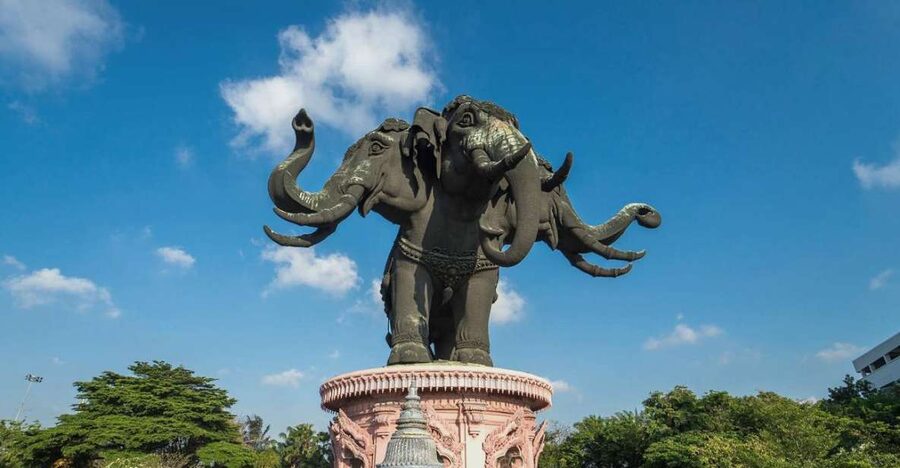
A three-headed elephant pulls you inside. I love the 3-headed bronze sculpture outside, and I love how the museum layers the story of Asia into Underworld, Earth, Heaven. One drawback: it is timed entry, so plan your arrival carefully to fit your booked slot.
You get a full 1-day visit with a discounted ticket and an included audio guide in multiple languages, plus small ritual extras like flowers and incense. Just go prepared to dress modestly, because shorts, short skirts, and sleeveless shirts are not allowed.
In This Review
- Quick hits
- Why Erawan Museum feels different from a typical museum day
- Getting to Erawan Museum: BTS Green Line to Chang Erawan Station
- Exterior first: the world-famous 3-headed elephant facade
- Timed entry and a smooth flow through three levels
- Suvarnabhumi Level (Underworld): artifacts, porcelain, and the Naga
- Earth Section: world art, stained glass patterns, and a ceiling that matters
- Cosmo Level inside the elephant: passageways to the Heaven stories
- Outside gardens: rare Thai trees for a calmer finish
- What’s included in your ticket, and why it’s good value
- Rules that matter on the ground (dress, photos, food)
- Who should book this, and who should think twice
- Should you book the discounted Erawan Museum ticket?
- FAQ
- How long is the Erawan Museum visit?
- What does the discounted admission ticket include?
- Do I need to enter at a specific time?
- Is there an audio guide included?
- What are the main sections inside the museum?
- Are shorts or sleeveless shirts allowed?
- Is food or drink permitted inside the museum?
- Can I take photos or videos inside?
- How do I get there from Bangkok using public transport?
- Are transfers included?
Quick hits
- A giant 3-headed bronze elephant you can circle for photos before you even enter
- Three levels that match the museum’s Underworld, Earth, and Heaven concept
- Suvarnabhumi Level with porcelain, ancient artifacts, and the Naga underworld figure
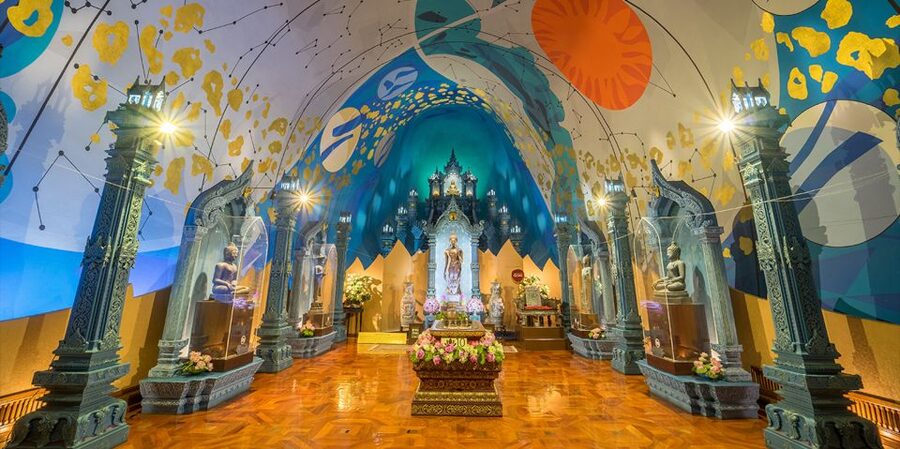
- Cosmo Level inside the elephant body, with painted heaven scenes and story-filled passageways
- Garden time with rare trees from across Thailand
Why Erawan Museum feels different from a typical museum day
Erawan Museum is not trying to be quiet and academic. It is trying to be memorable. The architecture is the main event, and it works like a theme park meets temple symbolism, without needing you to know the background first.
The museum was built as a symbol of peace and humanity, with arts, philosophies, religious diversity, and a sense of Asia’s spirit built into the design. That gives your visit a clear rhythm. You are not just looking at items in rooms. You are moving through a concept, guided by how the building is structured.
And the practical upside is that the layout helps you pace yourself. You get big visual anchors, then you step into more detailed displays. If you like places where photos actually match what you see in real life, this is one of those days.
Getting to Erawan Museum: BTS Green Line to Chang Erawan Station
Erawan Museum sits just outside Bangkok in Samut Prakan province. For the easiest public-transport approach, take the BTS Skytrain Green Line, then exit at Chang Erawan Station (E17), Exit 2.
From there, there is a free pick-up service by shuttle tuk-tuk every day. That matters because transfers are not included with your ticket, so you want a simple last-mile plan.
When you arrive, use the official address to confirm you are in the right place:
99 Tambon Bang Muang Mai, Amphoe Mueang Samut Prakan, Chang Wat Samut Prakan 10270, Thailand.
Exterior first: the world-famous 3-headed elephant facade
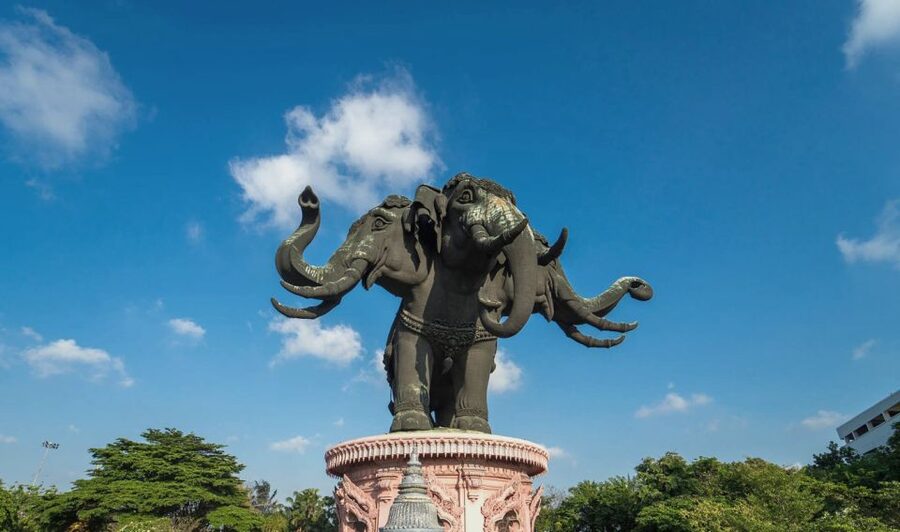
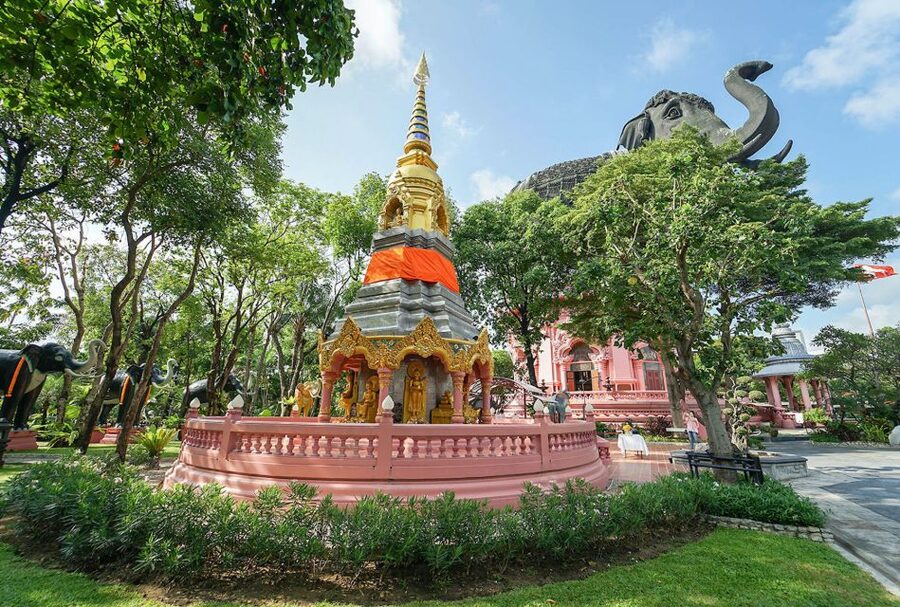
Before you enter, take time outside. The museum’s bronze elephant is the obvious photo magnet, and it is also how you orient yourself. The building feels like it is built around the elephant, not the other way around.
One standout detail: the exterior sculpture is described as the first and biggest hand-carved sculpture in the world. Whether you care about carving history or not, that scale shows immediately when you’re standing close enough to see the sheer mass.
You will also find plenty of angles for pictures because you can walk around the exterior areas. If you’re traveling with someone who likes shooting photos but gets bored inside museums, this part helps keep everyone happy.
Timed entry and a smooth flow through three levels
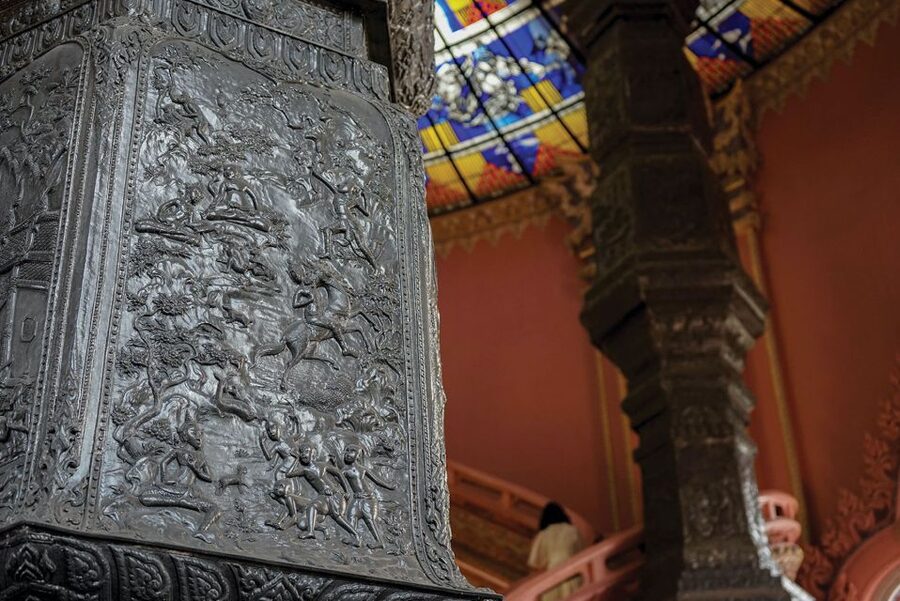
Your discounted ticket is tied to a specified date and time, and you can only visit the museum on that booked slot. Once you’re inside, the building naturally funnels you through the three main zones, which represent:
- Underworld
- Earth
- Heaven
That structure makes it feel like a guided story, even if you are following your own pace. The audio guide included in your ticket also helps you keep track. Languages available are English, Thai, Chinese, Korean, and Russian, so you can match your comfort level.
If you want your day to feel calm, don’t treat this like a quick in-and-out stop. Plan on moving slowly enough to notice details, especially on the levels where the displays and symbols overlap.
Suvarnabhumi Level (Underworld): artifacts, porcelain, and the Naga
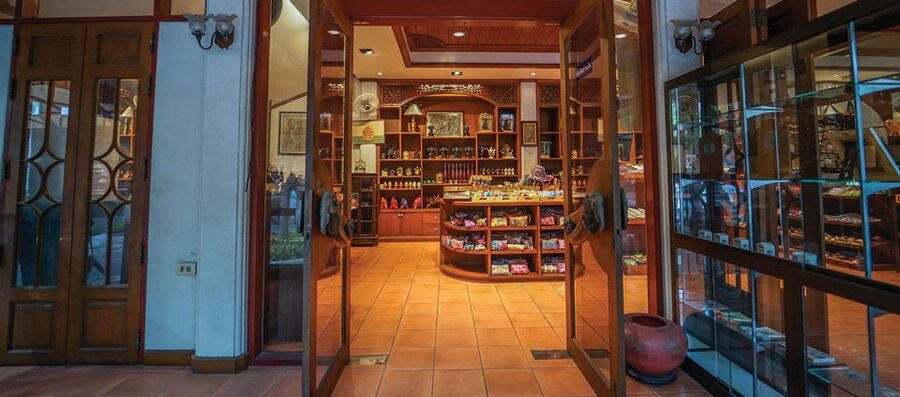
Start with the Suvarnabhumi Level, the underground portion of the elephant. This is where the museum leans into the idea of the past.
You’ll see showcases of ancient artifacts and porcelain that come from the owner’s prized collection. If you like ceramic craftsmanship, this part is a strong reason to come. Look out specifically for Thai-style Benjarong ceramic ware, because its patterns are the kind of detail your phone camera captures well.
The underworld symbolism shows up too. There is a figure of Naga, the snake-like god of the underworld who is described as the giver of waters in Buddhist belief. Even if you don’t read every label, you’ll feel the shift in mood here. It’s not just decorative. It’s part of the museum’s religious and philosophical thinking.
Practical tip: if you’re doing photos, take a moment before you start shooting. Some indoor spaces can feel visually busy, so you’ll get better results by selecting a few key angles rather than trying to capture everything at once.
Earth Section: world art, stained glass patterns, and a ceiling that matters
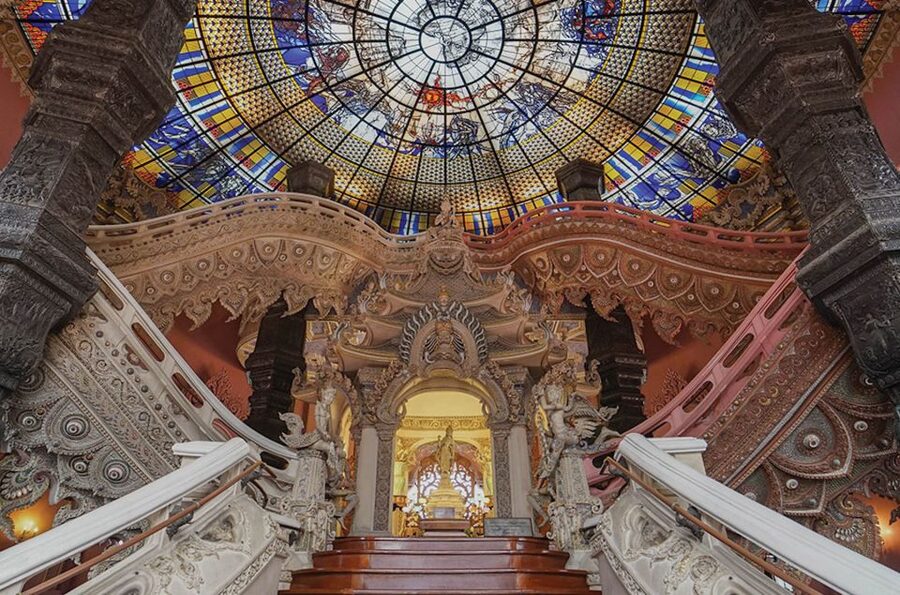
Next, head to the Earth section, built as the circular base that supports the elephant. This is where the museum turns from the past into the present idea of the world, including how different cultures and art styles can share space.
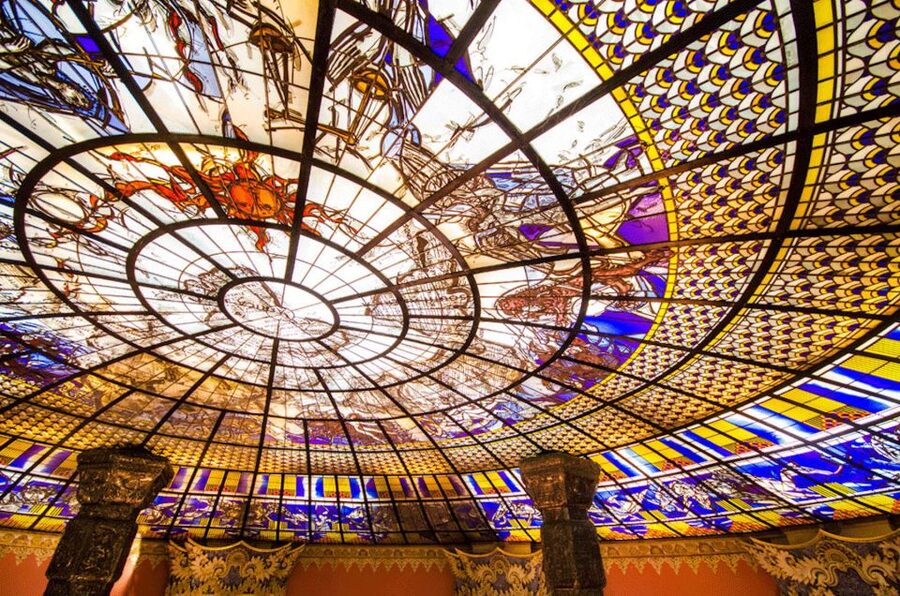
Inside, you’ll notice a mix of art forms of the world, described as both Western and Eastern styles. The building’s design supports that message. The ceiling pattern at the entrance is said to be similar to the ceiling of the earth, and stained glass forms patterns connected to the Earth concept.
What I like about this part is how the architecture and the displays reinforce each other. It’s not only what you see on walls and pedestals. It’s also how the space frames your line of sight, which makes the museum feel intentional instead of random.
If you’re the type who enjoys design details, slow down here. This level is often where your photos stop being just selfies and start being “I’m inside the thing” shots.
Cosmo Level inside the elephant: passageways to the Heaven stories
The Cosmo Level is the inside of the elephant, and it’s where the museum feels most like a journey. You navigate along two passageways from the right and left feet of the elephants, moving inward.
As you go, you reach an area painted with stories of gods and goddesses floating in heaven. This is the Heaven side of the Underworld-Earth-Heaven plan, so it’s the payoff for the earlier symbolism.
The space inside the elephant can feel immersive even without you being religious. The shapes of the corridors and the painted scenes are designed to guide your attention upward and forward. You’ll likely spend more time than you expect here, because the artwork is meant to be seen from certain spots.
Photo tip: inside, take photos when the lighting looks best from your position. Don’t fight every shadow. Instead, experiment with a couple of angles, then commit.
Also note the important rule: taking pictures or videos for commercial purposes is not permitted inside the museum. For personal photos and normal travel videos, you should be fine, but keep it respectful.
Outside gardens: rare Thai trees for a calmer finish
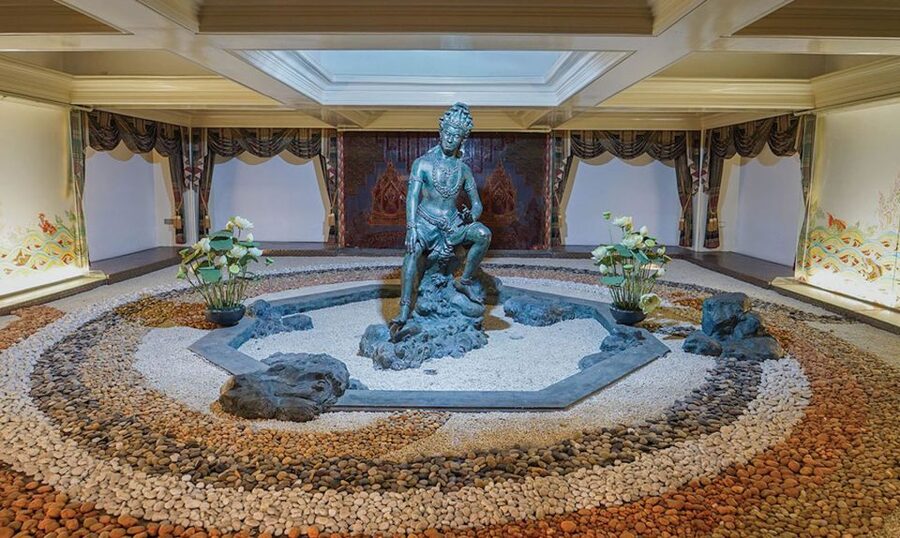
After the interior, continue to the outdoor areas. A garden surrounds the museum, filled with rare tree species from across Thailand. Some trees are said to have significance in Thai literature.
This part is a nice change of pace if you’ve been inside for a while. It’s also where you can reset your energy, especially if you plan to keep exploring Samut Prakan or return toward Bangkok later.
Don’t skip this section. You’ll appreciate the contrast: symbolic architecture inside, then greenery outside. It helps the day feel complete instead of rushed.
What’s included in your ticket, and why it’s good value
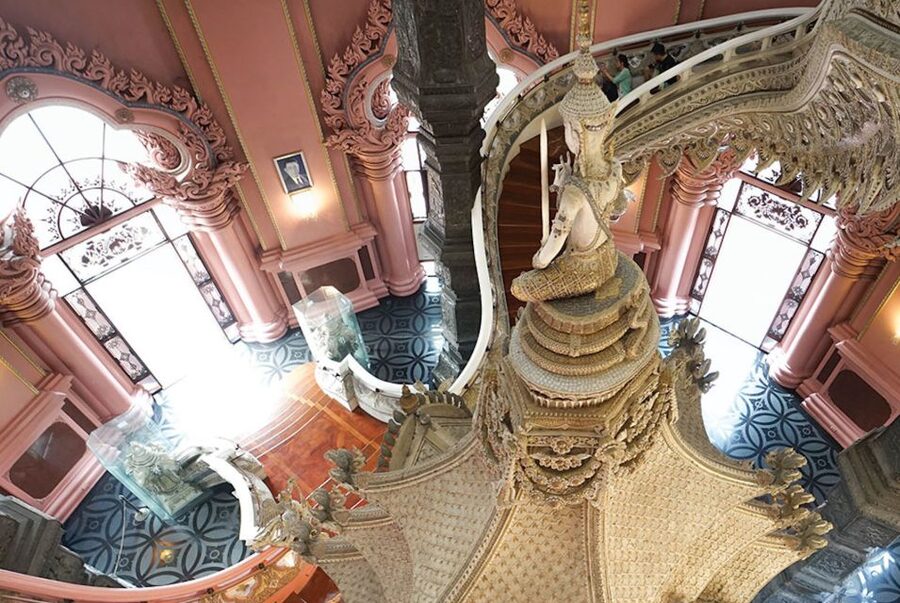
The ticket includes:
- Discounted entrance to Erawan Museum (valid for a 1-day visit on your booked date and time)
- Flowers, incense, and a lotus flower
- Access to areas surrounding the museum
- All taxes and fees
- An audio guide (English, Thai, Chinese, Korean, Russian)
Not included: transfers.
At around $12 per person, the value is mostly about experience per dollar. You are paying for a full building concept, not just a single exhibit. With three major levels and exterior and garden space included, it’s a lot of physical “wow” for a relatively low entrance cost.
You do need to treat the visit like a real activity day, though. If you walk through too quickly, you may miss why the architecture is so effective. But if you pace yourself, the money feels reasonable fast.
Rules that matter on the ground (dress, photos, food)
To have a smooth visit, keep these restrictions in mind:
- Pets are not allowed
- Shorts and short skirts are not allowed
- Sleeveless shirts are not allowed
Food and drink are not permitted either. That might sound obvious for a lot of temples, but it can matter for comfort. If you plan to eat, do it before or after your museum time.
The museum asks visitors to be quiet and respectful. That helps the atmosphere, especially on the levels that feel more sacred. Also, commercial photography or video is not allowed inside.
Who should book this, and who should think twice
This experience suits you if:
- You like architecture-led sightseeing, where the building is the story
- You want a meaningful stop that mixes art and religious symbolism
- You enjoy photo-friendly interiors that still have a clear route
- You prefer a structured visit with Underworld, Earth, and Heaven zones
Think twice if:
- You get stressed by timed entry and strict rules
- You hate being asked to dress modestly
- You want a museum focused mainly on reading tons of text, because the design and visuals lead the experience
Should you book the discounted Erawan Museum ticket?
If you’re planning a day near Bangkok and you want one big, memorable attraction that feels like more than standard museum rooms, I’d book it. The 3-headed elephant exterior, the three symbolic levels, and the garden make it feel like a complete experience for the price.
Book it especially if you like to travel with structure, even a light one. The audio guide languages help, and the building’s Underworld-Earth-Heaven flow gives you an easy path to follow.
Just do two things to set yourself up for a good day: arrive on time for your booked slot, and dress modestly so you’re not stuck at the entrance. Once you’re inside, you’ll see why this place leaves people impressed, calm, and a little bit moved by the whole atmosphere.
FAQ
How long is the Erawan Museum visit?
This experience is listed as a 1-day visit.
What does the discounted admission ticket include?
It includes discounted entrance to Erawan Museum for a specified date and time, flowers, incense, and a lotus flower, access to areas surrounding the museum, and all taxes and fees.
Do I need to enter at a specific time?
Yes. You can only visit the museum on the specified date and time after you book.
Is there an audio guide included?
Yes. An audio guide is included, with languages: English, Thai, Chinese, Korean, and Russian.
What are the main sections inside the museum?
The museum is sectioned into three areas that symbolize the Underworld, Earth, and Heaven.
Are shorts or sleeveless shirts allowed?
No. Shorts, short skirts, and sleeveless shirts are not allowed.
Is food or drink permitted inside the museum?
No. Food and drink are not permitted.
Can I take photos or videos inside?
Taking pictures or videos for commercial purposes is not permitted inside the museum.
How do I get there from Bangkok using public transport?
You can use the BTS Skytrain Green Line, then exit at Chang Erawan Station (E17) Exit 2. There is free pick-up service by shuttle tuk-tuk every day.
Are transfers included?
No. Transfers are not included.
Museums, compared.
 ★ 4.9Samui:Elephant Jungle experience & The First Elephant MuseumFrom $64226 reviews
 ★ 4.8Samut Prakan: The Erawan Museum Admission Ticket (NON THAI)From $1289 reviews
 ★ 4.4Art in Paradise Illusion Museum Entry TicketFrom $1682 reviews
 ★ 5.0Skip the Line: Patpong Museum Guided TourFrom $3480 reviews
 ★ 4.6Art in Paradise 3D Museum Discounted TicketFrom $1275 reviews
 ★ 5.0Koh Samui Elephant Home Sanctuary and the first Elephant MuseumFrom $6556 reviews
 ★ 4.0Chiang Mai to White & Blue Temple, Black Museum & Golden TriangleFrom $6952 reviews
 ★ 3.7Buddha, Floating Market, Gems Museum Tour & LunchFrom $1931 reviews
Browse the lists this tour appears in