
REVIEW · CRUISES & BOAT TOURS
Nagi of Mekong cruise
Slow boat days feel oddly refreshing. This Nagi of Mekong cruise turns the long Thailand to Laos journey into a calm ride down the Mekong, with river villages, mountain views, and time to actually relax. I like the on-board comfort and steady service, including constant refreshments and a clean, practical setup for a 2-day trip. I also like the way the day includes real local stops, like an ethnic village in the Khmu area, instead of only looking out the window. One drawback to weigh is that the overnight stay tied to Pak Beng can feel less comfortable than the boat itself.
You’ll start early, with pickup around 7:30 am, then move from pier to pier while the river does most of the work. The group stays fairly small, capped at 35 travelers, so it’s not a cattle-car experience.
In This Article
- Key highlights you should care about
- Mekong Slow Travel: What the Nagi Cruise Feels Like in Two Days
- Getting to the Pier: Pickup, Luggage Handling, and Border Help
- Chiang Khong to Your First River Day: A Morning That Turns Into Real Time
- Pak Beng Stop and Ethnic Village Life: Elephants, Gold Panning, and Riverbank Moments
- Food and On-Board Comfort: What’s Actually Included
- Price and Value: Why $205.36 Can Make Sense
- Who This Cruise Fits Best (and Who Should Rethink It)
- Practical tips to make the most of your 2 days
- Should You Book Nagi of Mekong Cruise?
- FAQ
- What time does the cruise start?
- Is pickup offered?
- Will I receive a mobile ticket?
- Is there a restroom on board?
- What meals are included?
- Does the trip include help with border crossings?
- How many travelers are in the group?
- What is the cancellation and bad-weather policy?
Key highlights you should care about
- Easy border-day flow: luggage handling plus help at Thai and Laos crossings
- A real stop at Pak Beng: an ethnic village visit along the river
- Food and drinks on the boat: hot lunch and plenty of water, tea, coffee, and fruit
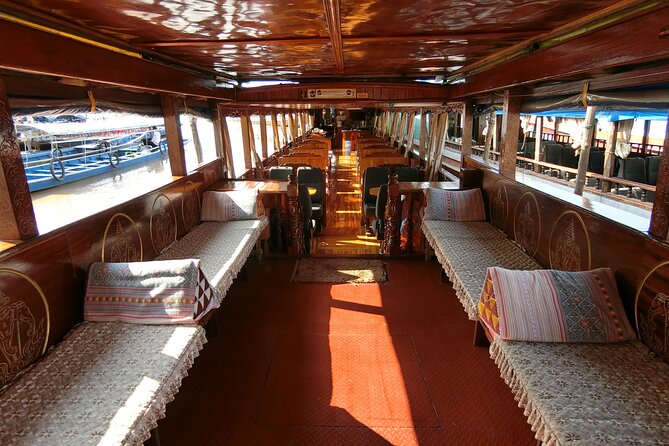
- Comfortable river ride: restroom on board and seating designed for a long day
- Big scenery, slow pace: mountains and river views without rushing every few minutes
Mekong Slow Travel: What the Nagi Cruise Feels Like in Two Days
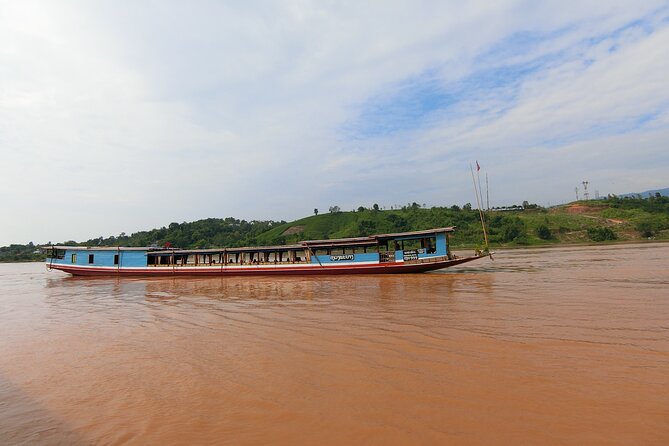
This is the kind of trip where the schedule does not bully you. It’s a 2-day Mekong cruise that treats travel time like sightseeing time. Instead of juggling transfers back-to-back, you settle onto the boat and let the river carry you.
The route is set up for travelers heading toward Luang Phra Bang / Luang Prabang, using the Mekong stretch between the Thailand starting point and Laos arrival region. On the water, the boat pace is slow enough that you can watch river activity without feeling like you’re wasting the day. Off the boat, you still get a couple of meaningful glimpses into how people live along the banks.
What makes this work for many people is the combination of logistics help and downtime. You’re not stuck alone figuring out borders and timing, and once you’re cruising, you’re not bouncing from one attraction to another. It’s a good match if you want the Mekong experience without turning your trip into a checklist.
Getting to the Pier: Pickup, Luggage Handling, and Border Help
Your day starts with pickup offered, and it runs after breakfast, then the transfer to the pier includes luggage handling. That sounds small, but it matters. Getting to the water with fewer steps means less stress, especially if you’re traveling with anything more than a daypack.
The other big value is assistance for the border crossings on both sides, Thai and Laos. Border days are rarely fun. With this cruise, you’re not left to decode everything by yourself. The goal is simple: help you move through the process while the rest of the day keeps moving at a reasonable pace.
Practical tip: keep your documents and essentials easy to reach during the crossing window. You’ll save time if you’re not digging around. Also, pack a light layer, because river weather and waiting periods can feel cooler than you expect early in the day.
Chiang Khong to Your First River Day: A Morning That Turns Into Real Time
Day 1 begins with the transfer to the pier from the Chiang Khong area. You’ll be moving for part of the morning, but once you’re on board, the day shifts into “watch, eat, relax” mode.
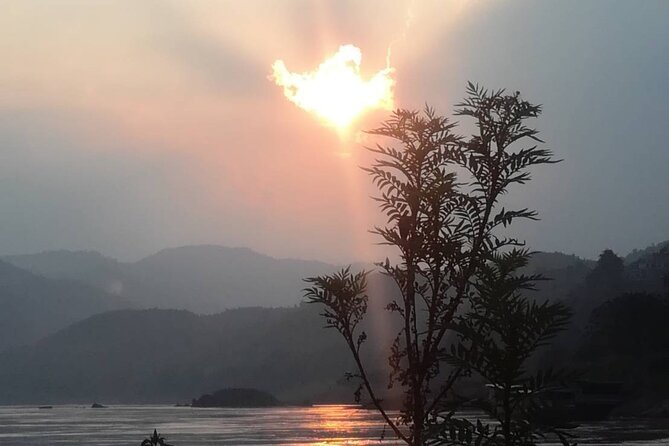
This is where you’ll feel the difference between a bus day and a boat day. On a boat, you get long, continuous views of river bends, shoreline activity, and the gradual change from one type of scenery to another. Even when you’re not on a formal stop, you’re still sightseeing.
Another reason Chiang Khong is a smart start is timing. The cruise format uses the morning transition into the river journey so you don’t arrive in Laos feeling wrecked from constant transfers. It’s also a straightforward entry point for the rest of the trip’s rhythm.
One consideration: if you prefer perfectly structured sightseeing with no downtime, a cruise day may feel too relaxed. You’ll have quiet time, and some of it is simply watching the river.
Pak Beng Stop and Ethnic Village Life: Elephants, Gold Panning, and Riverbank Moments
Day 2 is where the itinerary turns more “local” again. After breakfast, you board for the last leg of the cruise, and you get a stop at Pak Beng plus time at an ethnic village along the river.
This is a key part of the experience because it breaks up the scenery-only part of the trip. You’re not just looking at the Mekong. You’re stepping into the community life that exists right beside it. The village visit is tied to Khmu village life in the way the trip describes it, and that’s the kind of cultural stop that usually stays memorable because it feels grounded in place.
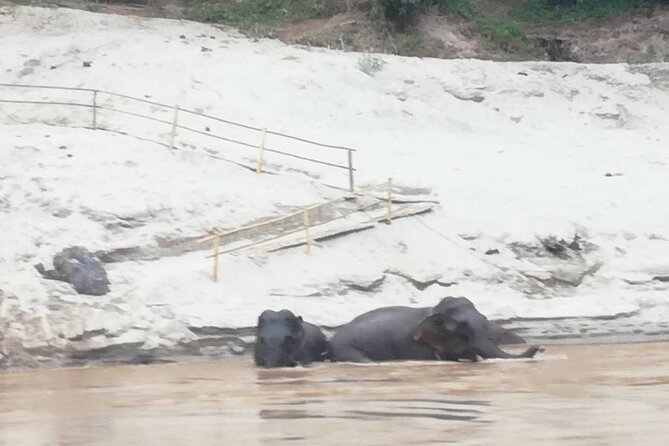
You may also spot riverbank activity like elephants bathing and gold panning. That’s the sort of moment that depends on conditions and timing, but when it happens, it’s extremely visual. Think of it as a casual, real-world look at how livelihoods and traditions connect to the river.
A fair note: the day is not built around a long, museum-style program. Instead, it’s more like a brief, meaningful encounter. If you want a deep, lecture-heavy cultural experience, you might want to pair this cruise with additional time in a city after the trip.
Food and On-Board Comfort: What’s Actually Included
The most important comfort detail is practical, not fancy. The boat has a restroom on board, and the setup is designed for a 2-day ride, not just a short sightseeing hop.
Food is also a strong point for most people. You get a hot lunch provided on the second day. On board, there’s also a steady flow of refreshments like water, tea, coffee, and fruit. When service runs like that, you don’t have to ration your attention or hunt for snacks.
What I like about this for your planning: it reduces the number of meals you have to solve on the fly. It’s one less stress during a travel-heavy border route. Also, the food rhythm fits the cruise pace. You eat, you rest, you watch the river, then you do it again.
What to bring (based on common cruise comfort logic, but tied to what the trip is like): a light layer for morning and late-day air, plus something easy for cooling off in the midday sun. You might not need a full daypack, but having a small one for water and layers is smart.
And yes, there’s that one weak link people often notice: the overnight portion associated with Pak Beng. The cruise experience on the boat can feel better than the land stay. If you’re sensitive to lodging comfort, mentally budget for that and pack what helps you sleep well.
Price and Value: Why $205.36 Can Make Sense
At $205.36 per person, the big question is what you’re really buying. For this kind of route, you’re paying for a packaged experience that blends:
- transport by boat across a major river stretch
- organized transfers and pickup
- help with border crossings
- an overnight built into the itinerary
- on-board comfort details like a restroom
- food support including hot lunch and additional refreshments
If you try to replicate this yourself, you typically end up piecing together multiple segments and losing the “someone else handles it” advantage. That border-day support is a genuine value driver. Even if you’re comfortable traveling independently, border logistics can slow you down, and time on a long Thailand to Laos route adds up fast.
One more value factor: group size. With a max of 35 travelers, the vibe usually stays manageable compared with huge group tours. That matters for boat comfort, for crew responsiveness, and for the experience feeling calm.
Not included costs to keep in mind: visa fees and other personal expenses like minibars in hotel rooms and laundry. So budget beyond the cruise if you still need visa paperwork handled separately.
Who This Cruise Fits Best (and Who Should Rethink It)
This cruise is a great match for you if you want the Mekong without turning the trip into a logistics contest. It fits well if you like slow travel, scenic river time, and short but meaningful village stops.
It’s also a good option if you prefer a day plan where the hard parts are simplified. The combination of pickup, luggage handling, and border assistance reduces the chance that your day gets derailed by paperwork or timing.
If you want super-structured sightseeing with lots of long stops, you might find the pace too gentle. Also, if you know you’re very picky about overnight lodging quality, factor in that the boat experience can outshine the Pak Beng land stay.
The good news is that this trip still gives you something tangible even beyond the views. The ethnic village stop, plus the possibility of riverbank activity like gold panning and elephants bathing, means you’re not passing everything just from the deck.
Practical tips to make the most of your 2 days
Here are the small, high-impact things that align with how the cruise runs:
- Pack for early starts. Pickup time is 7:30 am, and you’ll be moving before the day fully warms up.
- Expect a mix of boat and land time. The itinerary includes pier transfers and village viewing, so plan for some stepping on and off.
- Keep your daily essentials easy to reach. Border days and transfers go faster when you’re not fumbling.
- Bring a light layer. River air can feel cooler, and you’ll be outside at least some of the time.
- Be flexible about what you see at riverbank spots. Elephants bathing and gold panning are possibilities, not guarantees.
If you do those things, you’ll feel like the trip is working with you, not against you.
Should You Book Nagi of Mekong Cruise?
I’d book this if you want a relaxing, organized way to travel toward Luang Phra Bang / Luang Prabang, with a real Mekong experience instead of just sitting on the road. The value is strongest if you appreciate the help with transfers and border crossings, plus the on-board comfort and food support.
I’d think twice if your top priority is luxury lodging during the overnight or if you want a packed schedule with long cultural programs. The boat can be comfortable and well cared for, but the land stay portion in Pak Beng can be less impressive than you might hope.
If you’re the type of traveler who enjoys quiet scenery, simple meals handled for you, and a couple of authentic stops, this cruise is likely to land right in the sweet spot.
FAQ
What time does the cruise start?
The meeting point starts at 7:30 am.
Is pickup offered?
Yes, pickup is offered as part of the experience.
Will I receive a mobile ticket?
Yes, the tour includes a mobile ticket.
Is there a restroom on board?
Yes, there is a restroom on board.
What meals are included?
A hot lunch is provided, and you can also expect refreshments on the boat such as water, tea, coffee, and fruit.
Does the trip include help with border crossings?
Yes. The plan includes luggage handling and assistance to help you with border crossings on both the Thai and Laos sides.
How many travelers are in the group?
The tour has a maximum of 35 travelers.
What is the cancellation and bad-weather policy?
You can cancel for free up to 24 hours in advance for a full refund. The experience requires good weather, and if it’s canceled due to poor weather, you’ll be offered a different date or a full refund.
Cruises & Boat Tours, compared.
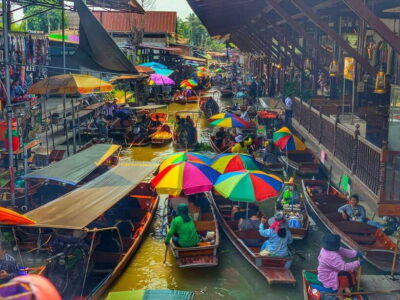 ★ 4.7Train Market & Floating Market with Boat RideFrom $259,547 reviews
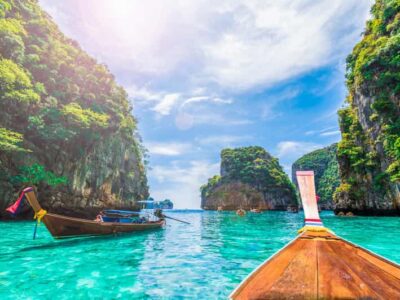 ★ 4.5Premium 4-Island Day Trip by Longtail Boat with LunchFrom $394,812 reviews
 ★ 5.0Phang Nga Bay Sea Cave Canoeing & James Bond Island by Big BoatFrom $994,666 reviews
 ★ 4.4White Orchid Chao Phraya Dinner Cruise free BeerFrom $354,573 reviews
 ★ 4.5Pig Island & Koh Tan Snorkeling by Speed boatFrom $524,149 reviews
 ★ 4.4Longtail Boat Canal CruiseFrom $364,076 reviews
 ★ 4.3Mu Ko Ang Thong Park Cruise with Kayaking OptionFrom $383,728 reviews
 ★ 4.7Phang Nga Bay and Canoeing Tour by Big BoatFrom $533,528 reviews
Browse the lists this tour appears in