
REVIEW · SNORKELING
Local Reef Snorkelling and Deserted Beach
Local reefs beat the island crowds. This Khao Lak snorkeling day focuses on marine life close to shore, so you skip the long, exhausting boat rides to Phi Phi, the Similans, and Surin, and you get a deserted beach stop at the end. I also like the way it combines a calm mangrove cruise and local fishing village views before you ever hit the water. The main drawback is that visibility can change with season and weather, and in the monsoon months snorkelling can feel less clear, with occasional jellyfish or floating debris.
What makes it work is the small group size, maximum 6 people, plus a guide team that pays attention to currents and comfort. You’ll also get lunch and snorkel gear, which keeps the day simple. If you are a fair-weather snorkeler, plan your trip for November to April for the best water conditions.
In This Review
- Key things to know before you go
- Why this Khao Lak snorkel is a smart alternative to the big islands
- Hotel pickup to longtail boat: how the day starts
- Mangroves and fishing villages: the scenic cruise before the snorkel
- Local reef snorkelling near Laem Ao Kham lighthouse and beyond
- What snorkelling feels like on the day
- When the reef stop gets adjusted
- Deserted beach time: the calm payoff after snorkelling
- Guides and crew: what makes the experience feel worth it
- Price and value: is $101.05 per person a fair deal?
- Weather reality: the best months for Khao Lak snorkelling
- Who this tour suits best (and who might want a different plan)
- Should you book this Khao Lak reef and deserted beach trip?
- FAQ
- How long is the tour, and is it a full day?
- Where does hotel pickup and drop-off happen?
- What does the tour include besides snorkelling?
- When is the best time to go snorkelling in Khao Lak?
- What happens if snorkelling is not possible due to weather or sea conditions?
- How many people are on the tour?
Key things to know before you go
- Small group, maximum 6 travelers, so the pace feels relaxed rather than assembly-line.
- Local reef near Khao Lak, meaning you spend less time in transit and more time floating and looking.
- Mangrove waterways and fishing villages en route, which adds a genuinely local feel to the day.
- Guides who check conditions, including current awareness before you start snorkelling.
- Deserted beach time plus lunch, so you get the beach day without booking a separate trip.
- Seasonal reality: November to April tends to be best for snorkelling, while mid-May to mid-October is monsoon season.
Thai snorkel stops also got written up
- Best Seller – Surin Islands Snorkeling Trip from Khao Lak★ 4.5 · 96 reviews
- Khao Lak: Wow Andaman Snorkeling Trip to Similan Islands★ 4.5 · 79 reviews
- Best Seller – Similan Islands Snorkeling Trip From Khao Lak★ 4.5 · 36 reviews
- Phuket: Wow Andaman Snorkeling Trip to Similan Islands★ 4.5 · 32 reviews
Why this Khao Lak snorkel is a smart alternative to the big islands
If you have already done one or two Thai island tours, you know the tradeoff. The famous spots bring hype and crowds, but also long travel time and bigger boats. This trip stays closer to home base. You snorkel on the coast of Khao Lak, so the day feels shorter, easier on your energy, and more focused on the water itself.
The “avoid the crowds” idea here is not just marketing language. You are not building your day around lining up with dozens of other people. Instead, the whole schedule is designed around calm movement: a short transfer to a pier, a boat ride through mangroves, a reef stop, then beach time. That flow matters because snorkelling days are exhausting if you spend half your day traveling and the other half rushing.
I also like that the operator leans into local scenery. Passing mangrove forests and local fishing towns is not a throwaway detail. It gives you something to look at even if you are not the type who lives in the water with a mask on.
Hotel pickup to longtail boat: how the day starts
Most days begin with hotel pickup from Khao Lak, so you do not have to figure out how to get yourself to the coast. From there, you head toward a small fishing village pier. The transfer style is described as local transport, like a taxi ride rather than a big air-conditioned coach. That small change can make the start feel more real and less “tour bus day.”
Then you are on a longtail boat for the cruise. A longtail setup keeps the day feeling personal, and it helps explain why this tour can run with such a small headcount. One review notes the equipment and boats are well maintained, and another calls out how easy the organisation felt, with the guide and captain working together.
A practical note: snorkelling is done off the boat, typically using a ladder. That is normal for longtail reef trips, but it does mean you should feel comfortable getting in and out of the water safely. One review even points out that snorkelling can get choppy, so swimmer confidence matters.
Mangroves and fishing villages: the scenic cruise before the snorkel
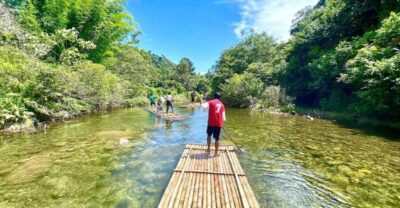
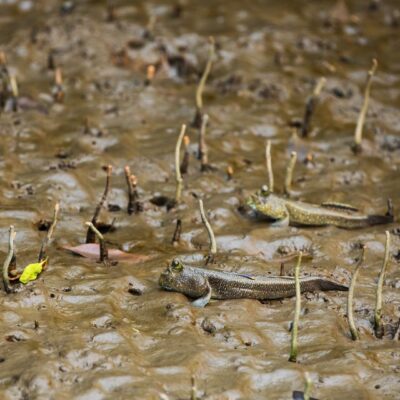
Before you see the reef, you get a slow cruise through mangrove forests and past bigger local fishing towns. This is the part that often surprises people. You might book for fish, but mangroves are interesting in their own right. They change the light, the scenery looks textured and close-up, and birds and small wildlife can show up along the edges.
One strong detail from real-world experiences is how guides set expectations around currents. In one account, the guide checked the water for conditions before anyone started snorkelling. That kind of pre-snorkel awareness makes a difference, especially on days with breeze or changing tides.
This cruise also helps you settle in. Your body is not jumping straight into “floating in open water.” You are warming up with calmer sea movement, then you reach the reef when conditions make sense.
Local reef snorkelling near Laem Ao Kham lighthouse and beyond
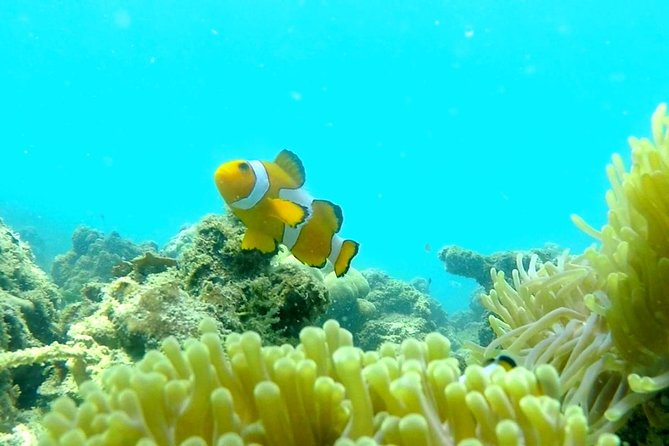
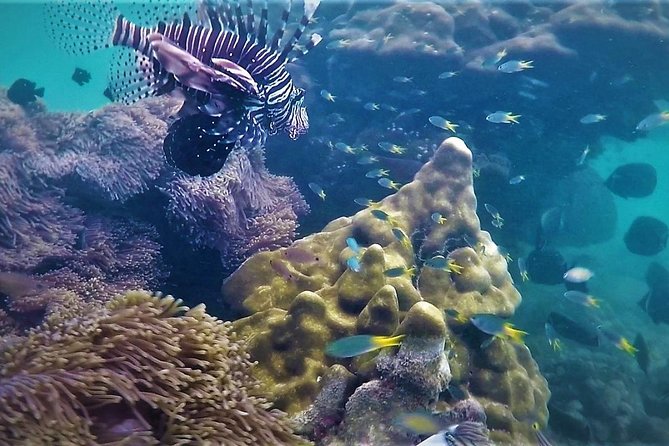
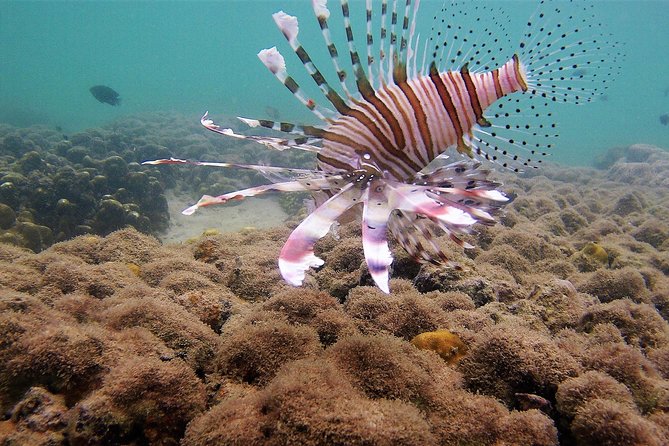
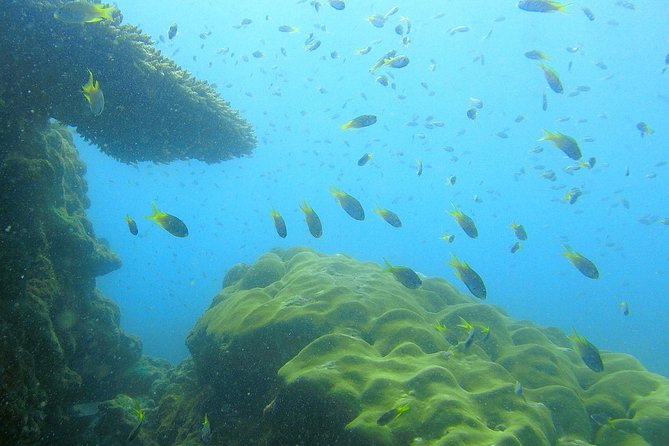
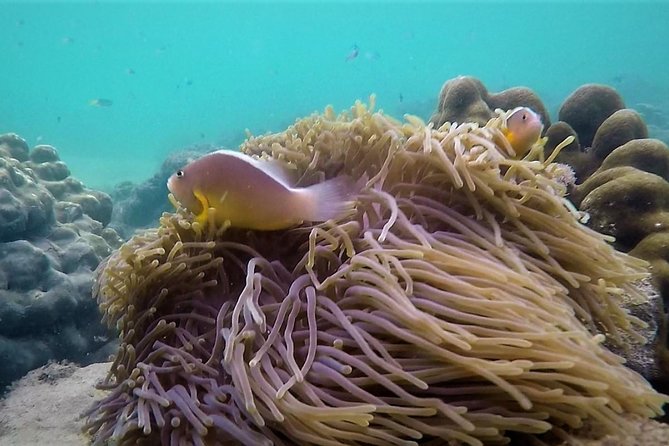
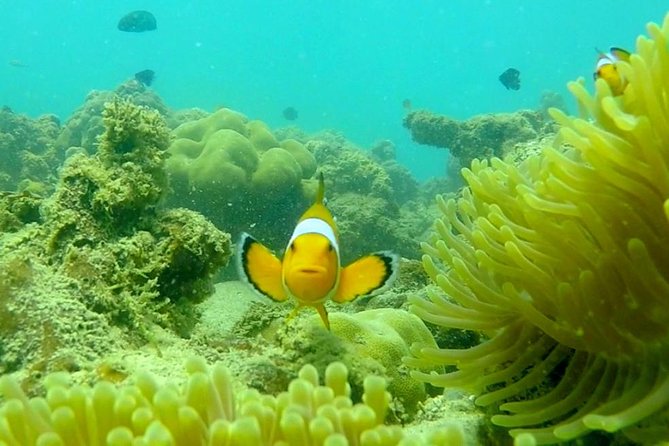
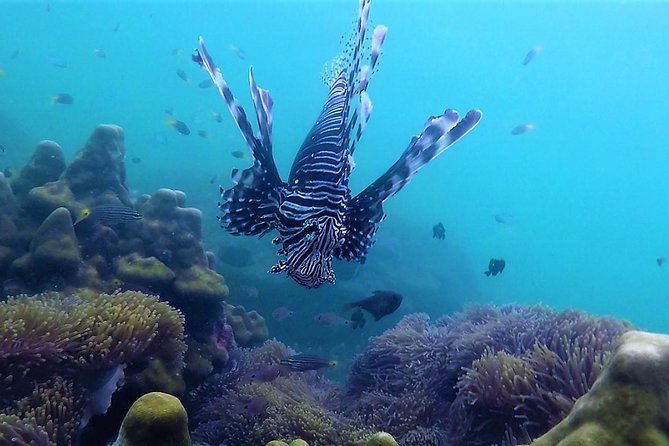
The main event is snorkelling on a local reef along Khao Lak’s coast. The operator’s description highlights marine life such as clown fish and moray eels, and it also lists loin fish. If you are hoping for that classic tropical reef moment, this is a good place to look. Reviews also mention seeing clown fish, and one specifically connects the experience to a reef area near Laem Ao Kham lighthouse.
The biggest plus here is value in time. You are not spending hours crossing open water to reach a distant island. The reef is close enough that you can actually enjoy multiple moments looking around, instead of rushing through one quick stop.


What snorkelling feels like on the day
Expect to snorkel directly from the longtail boat. Equipment is provided, and multiple accounts mention the gear is new or in good shape. Visibility varies. On a clear day, you get lots of pretty fish. On rougher days or in monsoon conditions, the water can look murkier, and that is when snorkelling can feel less rewarding.
One thing to watch for is that local conditions can include jellyfish. A feedback point notes that jellyfish were present in some areas, which reduced the ability to snorkel comfortably. Another comment mentions rubbish and glass in shallow areas. These are not controllable by the tour operator, but they are real considerations for how you will experience the water.
If you are sensitive to currents, do not ignore that. One reviewer says the trip can be choppy and recommends being a good swimmer. Another response suggests having a life jacket while snorkelling for added safety and comfort. You do not need to overthink it, but I would treat it as a real checklist item.
When the reef stop gets adjusted
Weather happens. The tour notes that if it is not possible to snorkel due to sea or weather conditions, you will be offered an alternative program. In at least one account, the group swapped to a different water option like a waterfall snorkel stop when conditions meant the original plan was less suitable. That is exactly the kind of flexibility you want on the coast.
Deserted beach time: the calm payoff after snorkelling
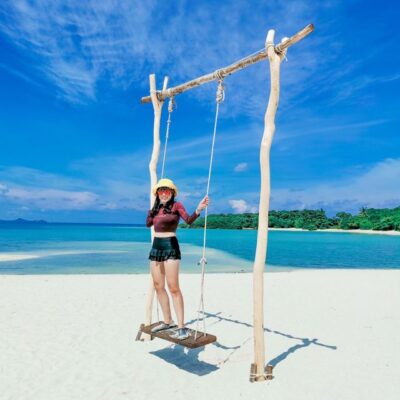
After the reef, you shift gears to a deserted beach stop along the coast. This is where the day slows down. Instead of another rushed activity, you relax on sand and enjoy the quieter feel of a shoreline that is not packed with day-tour crowds.
The beach is described in strong terms by multiple people: long, lonely, white sand, and the kind of stillness that feels almost cinematic. One review calls it pure perfection. Another mentions the beach being very big and very quiet.
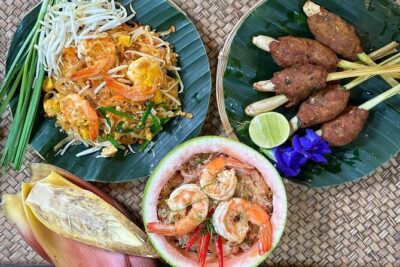
This is also where lunch fits in. The tour includes a local-style lunch served during or at the beach stop. Accounts describe the food as delicious, with one mentioning it was varied and another calling it fantastic. If you like your meals warm and satisfying after time in the sun, this part usually hits.
Practical takeaway: beach time is not just free time. It is the reward for doing a water activity in the earlier half of the day. If you are the type who gets antsy on long boat tours, this portion helps the day feel balanced.
Guides and crew: what makes the experience feel worth it
This is a small-boat tour, so the guide matters a lot. Reviews highlight that guides like Man and Ohm are fun, accommodating, and explain local ecosystems. Others mention Yaya, Garfield, and Kiwi, with a pattern of good energy and hands-on guidance in the water.
One of the most useful details is that guides may check conditions first, and some even snorkel alongside the group. That can be a big help if you want to find fish rather than just float and hope. It also helps families or less-confident swimmers feel guided in the moment.
The crew and captain are also mentioned as part of the smooth operation. A review calls out that the guide came into the water with the group, and another praises how well everything was organised and fully explained.
So yes, this is a nature tour. But it also becomes a people tour. On a day when snorkelling visibility is only average, a good guide can turn it into a still-pleasant experience by pointing out what is there and keeping the pace relaxed.
Price and value: is $101.05 per person a fair deal?
At $101.05 per person, this is not the cheapest way to snorkel in Thailand, but it is also not priced like a premium multi-island expedition. The value angle is what the day includes.
You get:
- Round-trip transportation from Khao Lak
- Snorkel equipment
- Lunch
- A small-group outing (maximum 6 people)
The key value point is that you are paying for a complete day that focuses on local reef time plus a proper beach break. When tours cost a similar amount but eat most of the budget on transport to faraway islands, the on-the-water time can feel less efficient.
That said, snorkelling quality is not guaranteed. One negative note points out that snorkelling can be poor at certain times, and another mentions jellyfish in some areas. You are buying access to the best local reefs and the experience design, not a promise of crystal-clear water every single day.
If you want reliable snorkelling above all else, the best move is to plan for November to April, when conditions are generally better.
Weather reality: the best months for Khao Lak snorkelling
The tour is clear about timing: November to April is best for snorkelling in Khao Lak. Mid-May to mid-October is monsoon season, when sea conditions can change quickly and visibility can drop.
That is not a small footnote. It is the difference between “wow, fish everywhere” and “I can see fish, but the water looks tired.” One review says snorkelling was poor out of season, and another describes limited fish and murkier conditions. In contrast, other trips report great fish and relaxing beach time, especially when conditions were right.
The good news is the trip is designed with weather variability in mind. If conditions make snorkelling unsafe or impractical, you should be offered an alternative program. That flexibility helps you avoid ending up with an empty day.
My practical advice: if your dates land in monsoon season, go in with the right expectations. Treat it as a local-coast nature tour with snorkelling as the main highlight when conditions cooperate. If you are very sensitive to low visibility, consider adjusting your trip dates if you can.
Who this tour suits best (and who might want a different plan)
This outing is best for people who:
- Want snorkelling near Khao Lak without a long travel day
- Like small groups and a calmer pace
- Want both reef time and beach downtime with lunch
- Prefer local scenery like mangroves and fishing villages
It might be less ideal if you:
- Need consistently clear water on demand, no matter what
- Are uncomfortable entering water from a longtail boat ladder
- Are strongly bothered by the possibility of jellyfish or surface debris in shallow areas
If you are traveling with kids, the tour has been described as child-friendly by some accounts, which usually means the guide approach is supportive and the pacing is not frantic.
Should you book this Khao Lak reef and deserted beach trip?
I think you should book it if you want the smart compromise between classic Thai snorkel beauty and a more local, less crowded day. The small group size and the combination of mangrove cruise, reef time, lunch, and a real quiet beach stop make this feel like a full-day experience, not just a quick water pit stop.
Before you commit, match the trip to your travel month. If you can go in November to April, your odds of great snorkelling are better. If you are going during the monsoon months, expect that the water might be less clear and the guide may adjust plans.
If your priority is peace, fish spotting, and a deserted shoreline close to Khao Lak, this is one of those days that often ends up as the trip highlight for the simple reason that it feels easier and calmer than the big-name island circuit.
FAQ
How long is the tour, and is it a full day?
The tour runs for about 1 day (approximately), with hotel pickup and drop-off included.
Where does hotel pickup and drop-off happen?
Pickup and drop-off are included from Khao Lak hotels.
What does the tour include besides snorkelling?
You get lunch and snorkel equipment, plus time to relax on a deserted beach.
When is the best time to go snorkelling in Khao Lak?
The best time for snorkeling is from November to April. Mid-May to mid-October is the monsoon season.
What happens if snorkelling is not possible due to weather or sea conditions?
If it is not possible to snorkel due to unforeseen sea or weather conditions, an alternative program will be offered.
How many people are on the tour?
The tour has a maximum of 6 travelers, which keeps the day small-group and more relaxed.
Thai snorkel stops, continued
What else made it into the Thailand notebook
What else made it into the Khao Lak notebook
- Similan Islands Snorkeling Tour By Sea Star Andaman From Khao Lak
★ 4.0 · 24 reviews - Tsunami Museum + Temple + Old Town + Street Food Market
★ 5.0 · 24 reviews - Similan Islands Snorkeling Tour By Speed Catamaran From Khao Lak
★ 4.5 · 25 reviews - James Bond – Phang Nga with canoe (Full-Day Tour)
★ 4.5 · 25 reviews - Similan Islands Snorkel Tour by Fantastic Similan Travel from Khao Lak
★ 3.5 · 26 reviews - Surin Islands- Early Bird Snorkeltour from Khao Lak in English, French, German, Italian
★ 4.5 · 28 reviews
Snorkeling, compared.
 ★ 4.5Pig Island & Koh Tan Snorkeling by Speed boatFrom $524,149 reviews
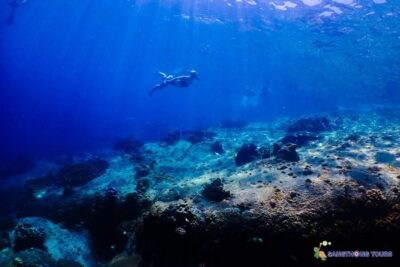 ★ 4.7Islands Snorkeling Highlights Day Tour & LunchFrom $273,742 reviews
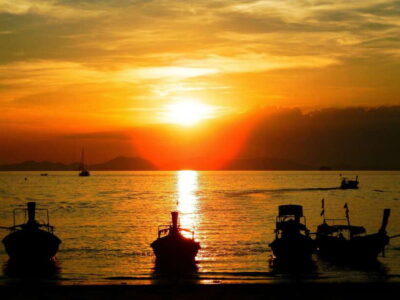 ★ 4.37 Islands Sunset Tour with Buffet Dinner & SnorkelingFrom $392,916 reviews
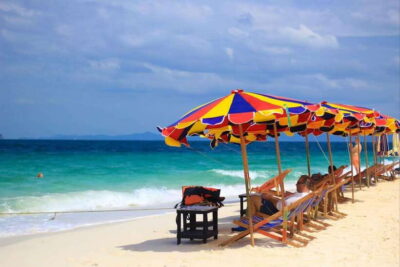 ★ 4.23 Khai Islands Relax & Snorkeling Half/Full Day TourFrom $242,379 reviews
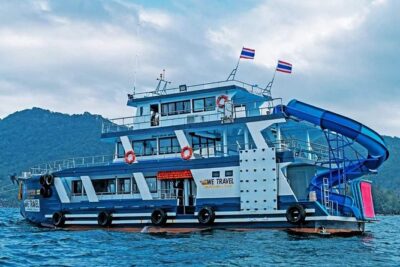 ★ 5.0Full day snorkeling adventure around Koh TaoFrom $242,300 reviews
 ★ 4.2Half-Day Longtail Boat Tour with SnorkelingFrom $241,733 reviews
 ★ 4.2Pig Island Snorkeling and Koh Tan Speedboat TourFrom $511,673 reviews
 ★ 4.27 Island Longtail Boat Snorkeling Tour with SunsetFrom $381,076 reviews