
REVIEW · CHIANG RAI WHITE AND BLUE TEMPLE TOURS
Chiang Rai:3D2N Transfer to Luang Prabang by Slow Boat
Three days of river time, starting with a van. This trip is interesting because it bundles land transfers, a border crossing, and the classic 2-day slow boat into one VIP van start and Friendship Bridge 4 transition.
I love how the timing is built for comfort, with an overnight in Pakbeng after a full first day on the Mekong. I also like that you get a real night base in Huay Xai plus breakfast on day two, so you are not scrambling when you arrive. The main drawback is that the boat can get crowded in peak season, which can affect seat comfort and views.
In This Article
- Key things to know before you go
- Chiang Rai to Chiang Khong: the VIP van part that sets the pace
- Thai-Lao Friendship Bridge 4: visas, arrival cards, and what you will actually do
- Huay Xai night one: the included room that saves energy
- Day one on the slow boat to Pakbeng: long hours, loud motor, and seat reality
- Pakbeng overnight: steps, cold air, and luggage timing
- Day two to Luang Prabang: arrival timing and the final taxi step
- Price and value: what $125 covers, and what costs show up anyway
- Comfort, crowding, and motion sickness: who should book and who should skip
- Practical tips that make the slow boat feel easier (cash, packed lunch, seat strategy)
- Should you book the Chiang Rai to Luang Prabang slow boat transfer?
- FAQ
- How long is the trip from Chiang Rai to Luang Prabang?
- What transport is included besides the slow boat?
- Where do you cross the border between Thailand and Laos?
- If I have a Laos e-visa, do I still need to fill out anything at the border?
- Is the Pakbeng hotel included?
- Are meals provided during the trip?
- What is the luggage allowance?
- Is the boat ride okay if I get motion sickness?
- How do I get from the Luang Prabang terminal to the city?
Key things to know before you go
- VIP van with small-group feel: air-conditioned ride, English driver, and a limited group size (up to 12).
- Border paperwork is part of the plan: you cross at Thai-Lao Friendship Bridge 4, and you still do the paper arrival card at the Lao border even with e-visa.
- Two full slow boat days: the boat journey runs 2 days with a single overnight stop at Pakbeng.
- Huay Xai overnight plus breakfast: accommodation in Huay Xai on day one and breakfast on day two are included.
- Plan for long boat hours and no meals: lunch and other meals are not provided, and you’ll want a jacket for cooler weather.
- Finish with an easy jump into Luang Prabang: when you arrive at the terminal, a shared taxi to downtown is available for 2 USD per person.
Chiang Rai to Chiang Khong: the VIP van part that sets the pace
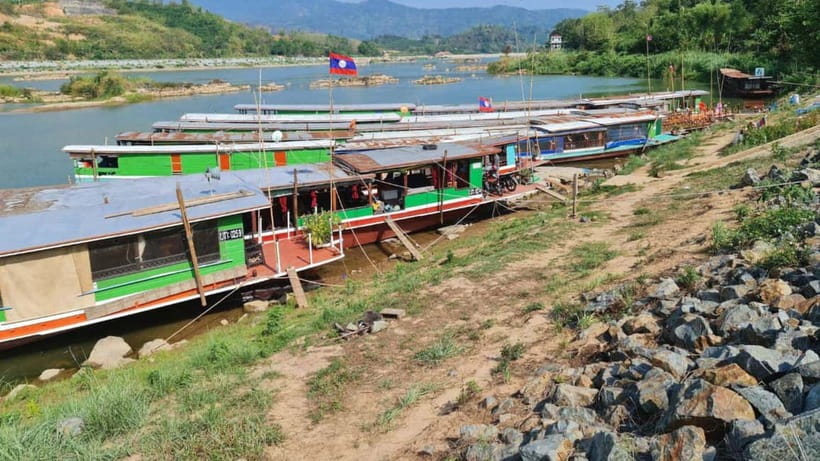
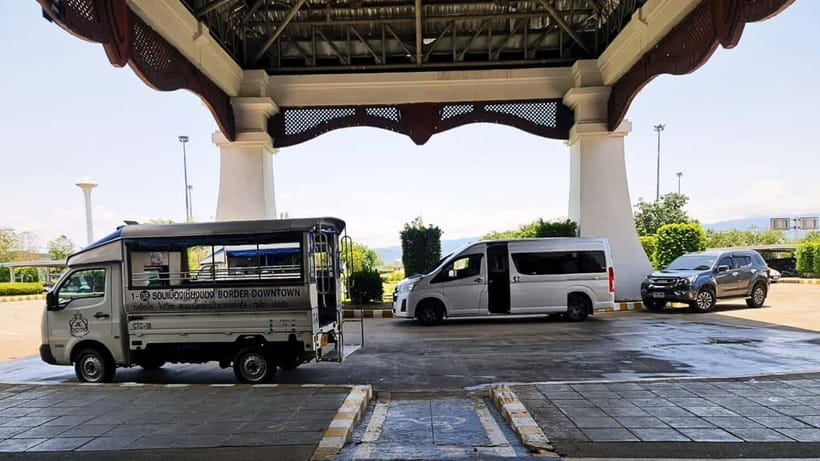
This starts in Chiang Rai with hotel pickup in downtown areas. The ride uses an air-conditioned VIP van (10 seats listed), and the driver works in English, which matters when you are trying to stay calm and on time around border timing.
The big win here is that you are not trying to piece together buses and local shuttles while traveling with backpacks and documents. You also get a predictable handoff into the crossing day instead of a “good luck” moment.
One practical note, based on how border days work here: if your pickup info is incomplete, you can lose time. Send your full hotel name and address so they can confirm pickup correctly, and double-check the pickup point instructions for areas outside the main pickup zone.
Thai-Lao Friendship Bridge 4: visas, arrival cards, and what you will actually do
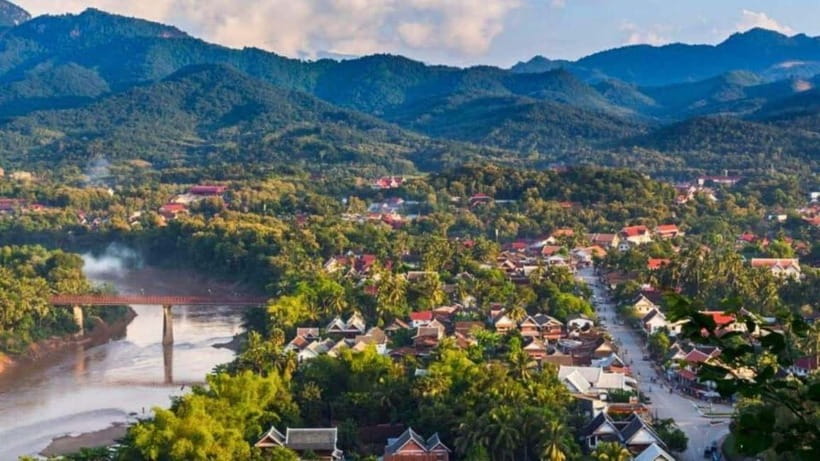
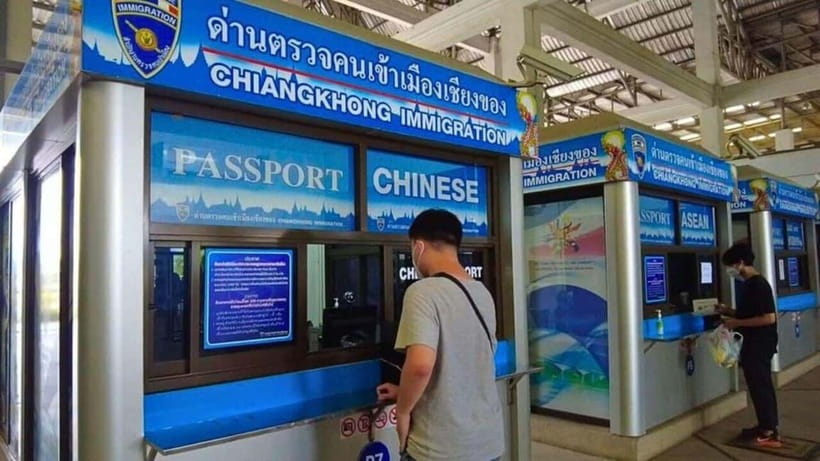
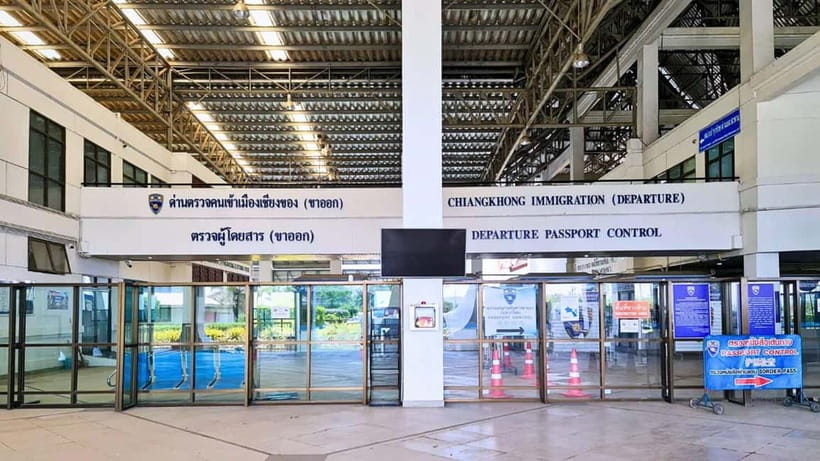
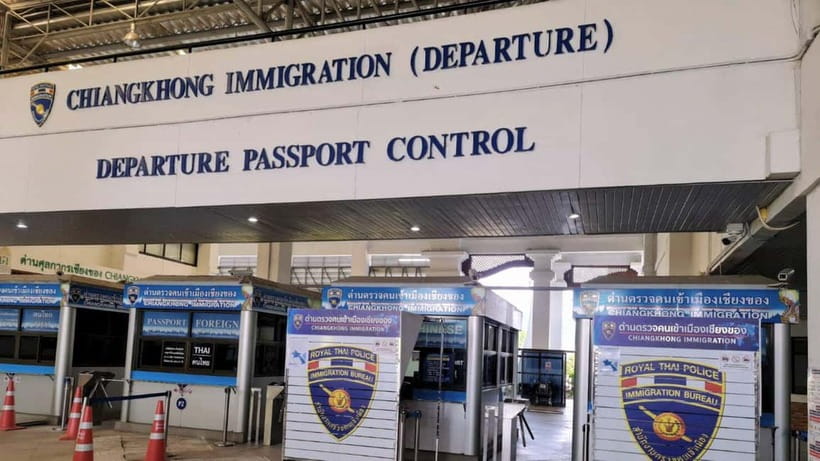
After your pickup, the schedule is built around crossing Friendship Bridge 4, then arriving at Lao border control for the visa process. The trip includes the bus across the border fee, so you are not paying multiple small charges for the crossing step.
Here’s the paperwork twist that trips people up: even if you have a Laos e-visa, you must complete the paper arrival card at the Lao border for crossings at Friendship Bridge 4. Also, a tourist tax (about 70 to 100 THB) can be payable directly to the Lao officer if you have an e-visa or are traveling under visa exemption, so keep some cash aside.
You’ll want your passport ready, plus a jacket for cooler moments and a packed lunch option since meals on the boat are not included. There is also an included option for visa-related photos if you do not have one, but it’s smarter to handle this before you show up so you are not stuck managing last-minute gaps.
Finally, included accident insurance is part of the package, but you must provide a passport copy or photo on your travel date for it to apply. That one is easy to forget when you are rushing.
Huay Xai night one: the included room that saves energy
Once you cross, you spend the night in Huay Xai, Laos. The package includes accommodation for day one, and it notes room sharing for two people booking together (one room for 2). If you book solo, you get your own room.
Breakfast is included on day two at Huay Xai Riverside Hotel. That sounds simple, but it matters because day two begins with pickup and then transitions quickly into boat loading. Having a reliable morning meal reduces the stress of figuring out where to eat before a long river day.
The other hidden benefit of the Huay Xai overnight is that it breaks the trip into human-sized chunks. You arrive, deal with documents and the first border wave, sleep, and then start boat day two with your energy intact.
One caution: your luggage will be handled multiple times in this journey. Keep valuables on you, and keep essentials (passport items, cash, and any meds) in a bag you can reach without unloading your life from the back of the boat.
Day one on the slow boat to Pakbeng: long hours, loud motor, and seat reality
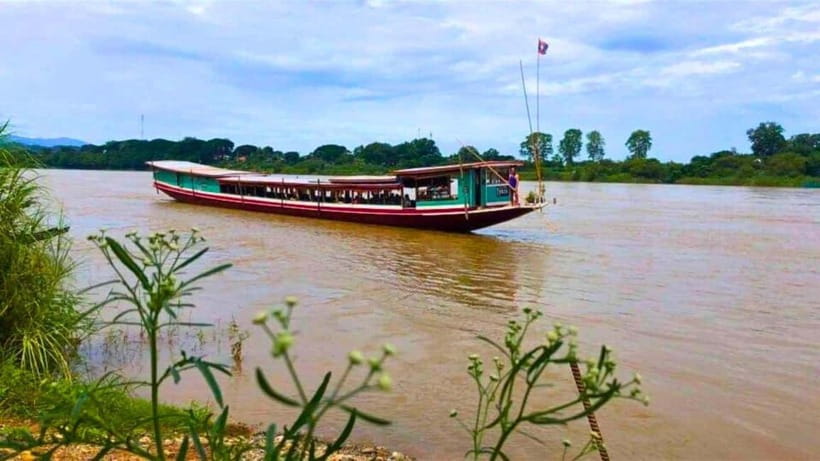
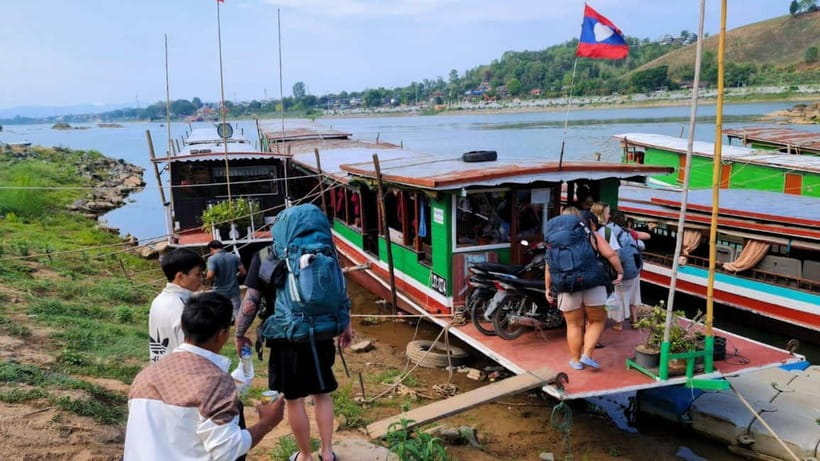
This is where the trip becomes the trip: you begin the boat journey from Chiang Khong area, then you ride toward Pakbeng. The schedule sets a morning pickup from your Huay Xai hotel around 9:00 to 9:30, and you do not reach Pakbeng until around 5:00 pm for overnight.
You must stay on the boat for at least 6 hours. So this is not a quick sightseeing cruise. It’s a full-day river experience, and it works best if you are comfortable with slow time.
The boat typically carries 100 to 200 passengers and it is shared with local travelers. That means you should plan for crowding, limited space, and the possibility of older bench seating or mixed seat positions. Some people find their view is reduced because of higher boat walls, and the engine noise can be constant if your seat is near the back or motor area.
To improve your odds:
- Arrive earlier when possible to reserve a better seat, especially in peak months.
- Keep your expectations realistic about views. You’ll still see a lot, but not every angle is perfect.
- Bring a jacket. Cooler weather can hit, especially once you are out on the water for hours.
Meals are not included on the boat. You need to bring your own lunch (packed lunch is specifically mentioned), and you can also purchase drinks and snacks on board if available. Having cash helps.
Also, the trip does not make stops except at Pakbeng. So once you are on, you are really on, which is why planning food, water, and bathroom needs ahead pays off.
Pakbeng overnight: steps, cold air, and luggage timing
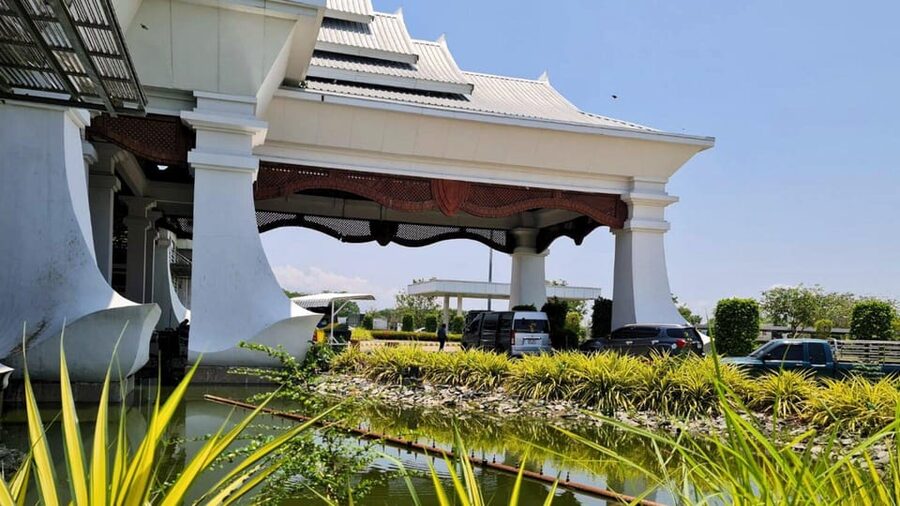
Pakbeng is the overnight stop, and that break is the heart of why this slow boat works as a relaxed journey. The boat arrives around 5:00 pm, and you stay overnight in Pakbeng, but accommodation there is not included.
That means you should budget extra and decide your lodging quickly after arrival. It also helps to have a clear luggage system, because the schedule notes you need to take all your luggage from the back and bring it back tomorrow.
There’s another practical reality here that can surprise people: boarding and unboarding on the Mekong can involve steep riverbanks and stair climbs. The trip can include more than one very steep climb, plus carrying luggage, which is tough if you have knee issues, heel pain, or you’re traveling with limited mobility. The tour is not suitable for wheelchair users, and it’s also not a good match for seasickness or motion sickness.
For many people, Pakbeng is still worth it because it turns a straight-through transfer into a calmer river day. You get time to reset, and the next morning you continue while the morning air is fresh.
Pack light enough to carry comfortably. Keep your jacket accessible. And do not assume the path from dock to whatever you choose to book will be flat.
Day two to Luang Prabang: arrival timing and the final taxi step
Day two continues the slow boat journey at 9:00 to 9:30 after the morning pickup arrangement, and you arrive in Luang Prabang around 5:00 pm at the Slow Boat Terminal. The day is long by design, and it builds on everything you did the day before: sitting, watching, and letting the river do the talking.
When the boat docks, you’ll feel the logistics shift fast. You go from river slow to terminal check-in energy. The good news is the transfer onward is simple: there is a shared taxi from the Slow Boat Terminal to the downtown area for 2 USD per person.
You might want cash ready for the taxi, plus a plan for your hotel check-in since you arrive in the late afternoon. If you are landing with tired legs, skip extra detours and prioritize getting settled.
Also keep in mind the onboard comfort variables do not magically fix themselves on day two. If you had a seat near the motor on day one, it may carry into the rest of your experience. If you want a better seat, you need to think early and be ready when seating matters.
Price and value: what $125 covers, and what costs show up anyway
At about $125 per person, you are paying for a bundled path that includes:
- VIP van from Chiang Rai to Chiang Khong
- crossing support, including the bus across the border fee
- a 2-day slow boat ticket
- a greeter on the Laos side
- Huay Xai accommodation for night one (with room details based on whether you book solo or two people)
- breakfast on day two
- accident insurance (with passport copy or photo required)
What’s not included will affect your total budget:
- Pakbeng accommodation on day two night
- lunches and other meals on all three days
- Laos visa fee
- tourist tax that can be payable directly at the border
- any extra expenses
This is the key value question: if you would have spent similar money anyway on transport plus one extra night plus breakfast, the package becomes easier to justify. If you were already planning to handle parts yourself, the savings might be smaller.
In practice, the best value comes when you appreciate the simplicity of one organized flow from Chiang Rai to the boat, then a second flow from the boat into Luang Prabang. You pay to reduce decision-making on border day and on arrival day.
Comfort, crowding, and motion sickness: who should book and who should skip
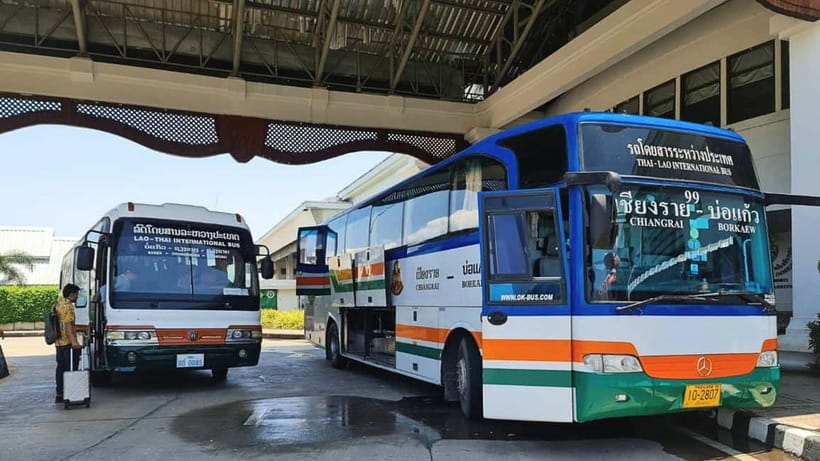
This trip is not ideal for everyone. It is listed as not suitable for wheelchair users, people prone to seasickness, and people with motion sickness. The boat is a moving, open-water experience, and you cannot reliably control how rough the ride feels.
Comfort varies. The boat can be crowded, and the seating setup can range from acceptable to plain awkward. Some people have sat on the floor, and some seats may not feel properly fixed. Toilet access can also be limited, and having just a couple of toilets onboard means you should treat bathroom breaks like planned stops, not last-second fixes.
The steep riverbank issue is real too. When you dock, you may face steep steps and carry luggage. If you have knee pain, heel pain, or osteoarthritis, take that seriously.
If you enjoy meeting people on the river and you do not mind a long day of slow travel, this experience is often a great fit. If you are chasing comfort first, you will likely feel the compromises more.
Practical tips that make the slow boat feel easier (cash, packed lunch, seat strategy)
Bring what you are told to bring: passport, packed lunch, cash, and a jacket. Meals and drinks are not included on the boat, and you’ll want options for day two while you sit for hours.
Seat strategy matters more than you think. In crowded conditions, the best plan is to arrive earlier to reserve a seat if the operator allows it. Aim for a spot that does not trap you right next to the loud motor if you are sensitive to noise.
Luggage handling is another place to be ready. You get up to two bags per passenger included, defined as one backpack plus one small suitcase up to 18 inches. Over that, there are extra charges. Use that rule to avoid surprises, and keep your most important items in the backpack.
Also, be mentally prepared for small onboard quirks. Some boats can require you to remove shoes when entering and store them in a plastic bag. It is not universal, but it is a common enough detail that you can act like it might happen, rather than being caught off guard.
Finally, if you arrive near the high season months, expect the boat to be busy. That’s when you need extra patience, and extra seat flexibility. Your best day is the one where you plan for crowds instead of hoping for empty space.
Should you book the Chiang Rai to Luang Prabang slow boat transfer?
Book it if you want a classic Mekong slow boat experience with one organized flow: VIP van from Chiang Rai, border crossing support, an included night in Huay Xai with breakfast, and a two-day boat ride ending in Luang Prabang. The value is strongest if you like the idea of less planning and you can handle long hours seated.
Skip it if you need step-free mobility, if you are likely to feel motion sickness, or if you would be miserable in a crowded boat with loud engine noise and mixed seating. Also skip, or at least reconsider, if you have a tight schedule since timing can shift with traffic and operations.
If you are flexible, pack light, bring your lunch and jacket, and stay patient on boarding and seating, this is a very worthwhile way to connect Northern Thailand with Laos. You get the journey, not just the destination.
FAQ
How long is the trip from Chiang Rai to Luang Prabang?
The package runs 3 days, starting in Chiang Rai and ending with arrival at the Slow Boat Terminal in Luang Prabang around 5:00 pm on day three.
What transport is included besides the slow boat?
It includes a VIP air-conditioned van from Chiang Rai to Chiang Khong, plus a bus across the border. The slow boat ticket covers 2 days of boat travel.
Where do you cross the border between Thailand and Laos?
You cross via Thai-Lao Friendship Bridge No. 4 to Bokeo Province, Laos, and then complete border control for the visa process.
If I have a Laos e-visa, do I still need to fill out anything at the border?
Yes. Even with a Laos e-visa, you must complete the paper arrival card at the Lao border for this Friendship Bridge 4 crossing.
Is the Pakbeng hotel included?
No. Accommodation in Pakbeng for the overnight stay is not included.
Are meals provided during the trip?
Breakfast is included on day two at Huay Xay Riverside Hotel. Lunch is not included on day one, day two, or day three, and meals and drinks are not provided on the boat, so you should bring your own packed lunch and cash.
What is the luggage allowance?
Up to 2 bags per passenger are included, described as one backpack plus one small suitcase up to 18 inches. Extra bags cost THB 100 each, and rolling suitcases over 20 inches cost THB 150 each.
Is the boat ride okay if I get motion sickness?
No. The tour is not suitable for people prone to seasickness or anyone with motion sickness.
How do I get from the Luang Prabang terminal to the city?
A shared taxi is available from the Slow Boat Terminal to the downtown area for 2 USD per person.
Chiang Rai White and Blue Temple Tours, compared.
 ★ 4.6Chiang Rai White Temple and Blue Temple Day TourFrom $273,366 reviews
 ★ 4.9Guided Highlights Guided Tour with Buffet LunchFrom $371,532 reviews
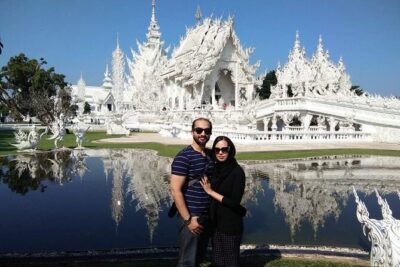 ★ 5.0Chiang Rai Temples: Private Tour from Chiang MaiFrom $1441,267 reviews
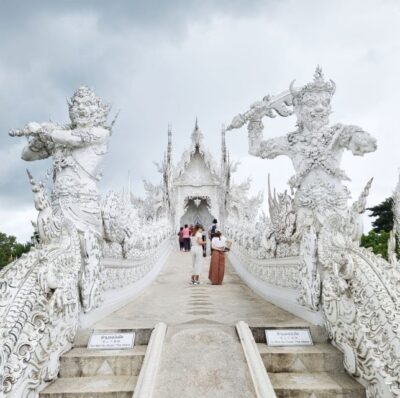 ★ 4.5Chiang Rai’s Temples Exploration Day TripFrom $51871 reviews
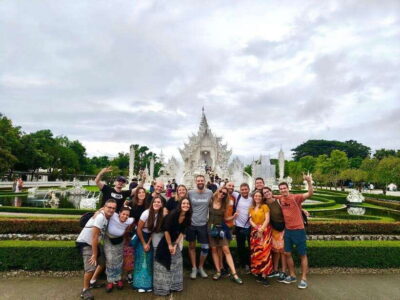 ★ 4.9Iconic Temples & 7 Major Sites—River View BuffetFrom $37692 reviews
 ★ 4.5Chiangmai to Chiangrai: 3 Temples, Hot Springs& Lalitta CafeFrom $41659 reviews
 ★ 4.8White, Blue, Red Temples, Long Neck TourFrom $57652 reviews
 ★ 4.5Chiang Rai White Temple, Blue Temple and more from Chiang MaiFrom $39605 reviews
Browse the lists this tour appears in